
In the vibrant city of Harare, the echo of innovation and growth actions resonate through the healthcare sector. However, practical laboratory biosafety challenges remain a pressing concern, necessitating advanced sterilization solutions. Laboratories, whether they are clinical diagnostics centers, university teaching labs, or mobile field testing units, must handle sterilization workflows that prioritize both efficiency and safety. As public health continually evolves, so too must the tools we utilize, including the sophisticated Micro Incinerator / Infrared Inoculating Loop Sterilizer. This article explores how these advanced sterilizers are revolutionizing laboratory practices.
Understanding the Technology Behind Infrared Sterilization
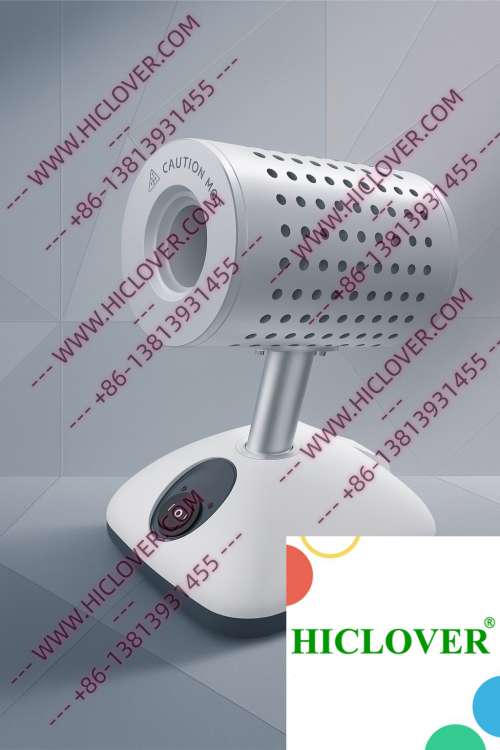
The Micro Incinerator is designed to address the demanding sterilization needs of various laboratory environments. Operating on the principle of infrared heat, this device employs a ceramic heating chamber that achieves high temperatures rapidly, leading to effective sterilization. Unlike traditional flame sterilizers, such as alcohol lamps and Bunsen burners, the infrared technology ensures an aerosol-free environment, which is crucial for maintaining sterile conditions, especially in biosafety cabinets.
The configuration of the Micro Incinerator typically includes an enclosed ceramic tube where inoculating loops or other instruments can be placed for disinfection. The infrared high-temperature disinfection capabilities ensure that contaminants are eradicated almost instantaneously, allowing laboratories to maintain compliance with biosafety regulations.
Applications of the Micro Incinerator in Various Labs
The Micro Incinerator proves invaluable across several settings in Harare’s healthcare landscape:
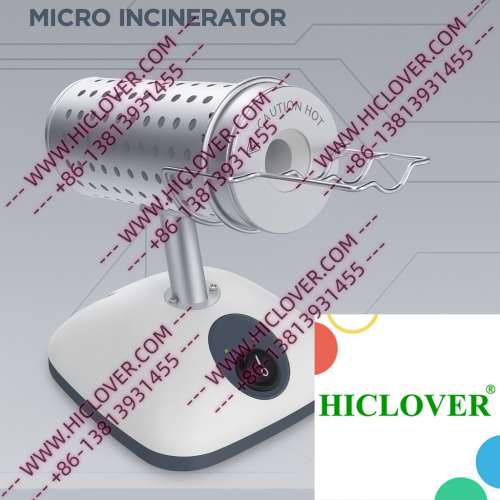
- Biosafety Cabinets: In a BSL-2 microbiology lab, using a Micro Incinerator enables researchers to safely sterilize inoculating loops without risking contamination due to open flames or aerosol generation. This efficiency boosts the throughput in experiments while ensuring high standards of safety.
- Teaching Labs: In universities, the Micro Incinerator serves as an educational tool, granting students hands-on experience with modern sterilization techniques. Its user-friendly design allows students to learn the critical aspects of contamination control in a safe environment, preparing them for future careers in healthcare.
- Field Testing Labs: For mobile health units conducting field tests in remote areas, the Micro Incinerator’s portability and quick sterilization capabilities significantly improve sampling and diagnostic processes, enhancing health outcomes while ensuring worker safety.
Compliance and Environmental Considerations
In a landscape governed by stringent international standards, adherence to biosafety regulations is non-negotiable. The World Health Organization (WHO) lays out clear biosafety guidelines that laboratories must follow to prevent biological risks. Traditional flame sterilizers do not meet the “no flame” requirement often stipulated for cleanroom protocols. In contrast, the Micro Incinerator stands compliant without sacrificing effectiveness.
Manufacturers ensure that their devices meet or exceed lab sterilization standards, fostering a culture of safety and compliance within laboratories. This commitment not only promotes worker safety but also contributes to environmental sustainability by reducing the risk of hazardous fumes emitted by alcohol lamps and other flame-based systems.
Advantages of Micro Incinerators Over Traditional Flame Sterilizers
| Features | Micro Incinerator | Flame Sterilizers |
|---|---|---|
| Method of Sterilization | Infrared heat, enclosed design | Open flame |
| Aerosol-Free Handling | Yes | No |
| Speed of Sterilization | Rapid thermal sterilization | Variable |
| Safety Considerations | Meets cleanroom standards | Risk of contamination and fire |
| Environmental Impact | Low emissions | Higher emissions |
Frequently Asked Questions
Q1: How does the Micro Incinerator work?
A1: The Micro Incinerator harnesses infrared heat to sterilize instruments rapidly, ensuring effective and safe disinfection without the hazards associated with open flames.
Q2: Can the Micro Incinerator be used in the field?
A2: Yes, its portable design makes it ideal for field testing scenarios where quick and effective sterilization is essential.
Q3: What are the safety benefits of using infrared sterilizers?
A3: Infrared sterilizers minimize the risk of fire and aerosol contamination, providing a safer working environment, especially in sensitive laboratory conditions.
Q4: Are Micro Incinerators compliant with international biosafety standards?
A4: Absolutely. They are designed in line with WHO biosafety guidelines, making them suitable for various laboratory settings.
Q5: How does the Micro Incinerator compare to traditional sterilization methods?
A5: It offers faster sterilization through infrared technology, enhanced safety by reducing contamination risks, and is more environmentally friendly than traditional flame sterilization methods.
Conclusion: Embracing Change for a Safer Future
The transformation of healthcare in Harare continues to unfold, and laboratory sterilization plays a crucial role in that evolution. By adopting the Micro Incinerator / Infrared Inoculating Loop Sterilizer, laboratories can achieve superior sterilization while enhancing safety and compliance with international standards. As healthcare providers, distributors, and educational institutions recognize the essential need for innovative sterilization solutions, the investment in Micro Incinerators offers a pathway toward improved laboratory practices. Take the decisive step toward upgrading your sterilization workflow by contacting us for more information about our cutting-edge sterilization solutions!
Categories:
Tags: