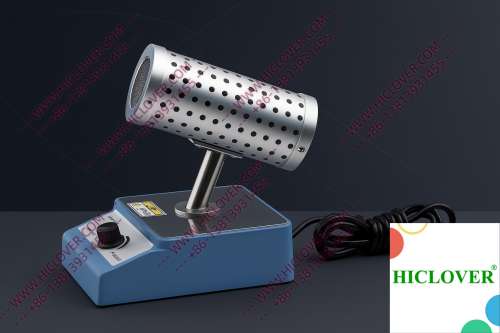
In the dynamic landscape of medical research and diagnostics, maintaining biosafety while ensuring efficient laboratory workflows is paramount. Medical facilities in Tampa and worldwide are continuously facing challenges related to contamination control, making the need for effective sterilization solutions more critical than ever. Traditional sterilization methods such as alcohol lamps or Bunsen burners may compromise safety and compliance in modern laboratory settings. This article explores the significant advantages of using Micro Incinerator / Infrared Inoculating Loop Sterilizers, particularly in high-stakes environments like BSL-2 or BSL-3 microbiology labs, clinical diagnostics, university teaching labs, and even mobile testing units.
Technical Principles Behind Infrared Sterilizers
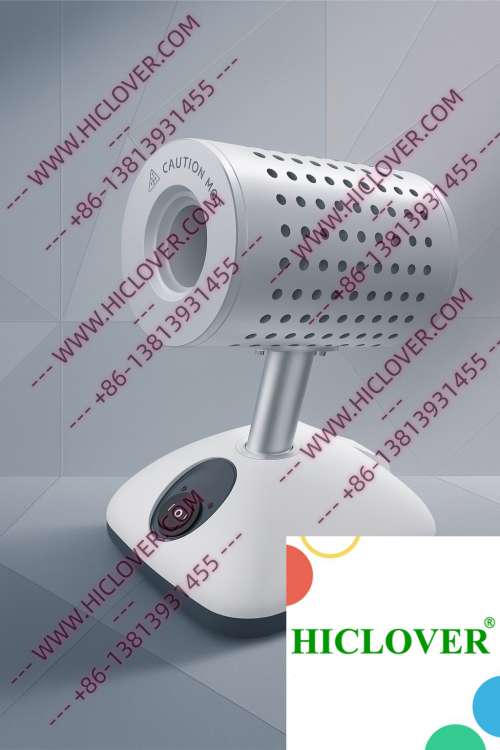
Micro Incinerators leverage infrared heat technology to deliver rapid thermal sterilization—a process essential for effective contamination control. These devices commonly feature an enclosed ceramic heating chamber that provides a consistent high-temperature environment, capable of achieving disinfection without the risks associated with open flames. Unlike traditional flame sterilizers, infrared sterilizers operate on controlled heating elements, greatly reducing the chances of aerosol transmission and providing a clean-bench-safe experience for laboratory personnel.
Comparing Micro Incinerators to Traditional Flame Sterilizers
| Feature | Micro Incinerator | Flame Burners |
|---|---|---|
| Heat Source | Infrared | Open Flame |
| Contamination Risk | Low | High |
| Temperature Control | Precise | Variable |
| Safety Compliance | Meets WHO standards | Risk of burns/accidents |
| Portability | Compact | Bulky |
Application Scenarios in Real Labs
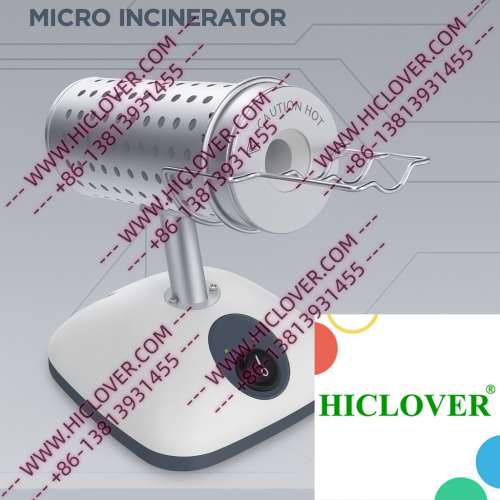
Micro Incinerators find diverse applications in various laboratory settings. Below are two prominent scenarios:
- Biosafety Cabinets: In BSL-2 and BSL-3 laboratories, maintaining a sterile environment is crucial. The use of Micro Incinerators in biosafety cabinets ensures that lab staff can sterilize inoculating loops and tools quickly and safely. The compact design allows for easy integration, helping researchers adhere to biosafety protocols while increasing workflow efficiency.
- Teaching Labs: In educational settings, the safe handling of microbial cultures is paramount. Micro Incinerators provide a flame-free method for fire-sensitive environments, making it an ideal choice for university teaching labs. Students can learn proper sterilization techniques without the risks associated with traditional flame sterilizers, promoting a safe learning environment.
Compliance and Environmental Considerations
Complying with biosafety standards is a non-negotiable aspect of laboratory operations. The World Health Organization (WHO) has set forth guidelines for laboratory sterilization, emphasizing the importance of minimizing contamination risks. In cleanroom environments, the absence of open flames is necessary to maintain air quality and reduce the risk of fire hazards. Micro Incinerators are designed to align with these standards, providing an efficient means to maintain clean, sterile environments while promoting safety for personnel and experimental integrity.
Moreover, these sterilizers contribute to environmental sustainability by eliminating the need for alcohol-based sanitizers, which can pose disposal challenges. Their efficiency in sterilization also means that less energy and time are required to achieve the same outcomes as traditional methods, making them a better choice for eco-conscious facilities.
FAQs About Micro Incinerators
What are the primary benefits of using a Micro Incinerator for sterilization?
Micro Incinerators offer rapid thermal sterilization, reduced contamination risk, precise temperature control, and compliance with WHO biosafety standards, all while eliminating the dangers associated with open flames.
Are Micro Incinerators suitable for field testing labs?
Yes! Their compact and portable design allows for versatile use in mobile laboratories, making them ideal for field testing environments where traditional sterilizers may be impractical.
What is the temperature range of a Micro Incinerator?
Micro Incinerators can reach temperatures upwards of 800°C, providing rapid and efficient sterilization suitable for various laboratory purposes.
How does a Micro Incinerator improve laboratory workflows?
By enabling quick, effective sterilization without the hazards of open flames, Micro Incinerators enhance productivity, allowing lab personnel to focus on critical tasks rather than overseeing sterilization processes.
Can Micro Incinerators be used in clinical diagnostics?
Absolutely! These devices are perfect for sterilization in clinical diagnostics, where rapid, reliable disinfection is crucial for maintaining sample integrity and personnel safety.
Conclusion
Ensuring laboratory safety in Tampa’s vibrant medical landscape hinges on adopting advanced sterilization technologies. Micro Incinerators / Infrared Inoculating Loop Sterilizers represent a pioneering approach to contamination control, combining safety and efficiency in diverse laboratory settings. Whether in BSL-2 research environments or university teaching labs, these devices are primed to revolutionize your sterilization processes.
If you are looking to enhance your lab’s safety and efficiency, explore our high-quality Micro Incinerator offerings today. Reach out to our sales team for more information on how to upgrade your laboratory sterilization equipment.