
In the realm of laboratory biosafety, clinics and research facilities in Milwaukee face an array of challenges that demand effective solutions. The risk of contamination during procedures can lead to compromised results, increased operational costs, and potential hazards to laboratory personnel. Among the critical implements in ensuring safety and precision is the use of laboratory sterilization equipment, particularly the Micro Incinerator / Infrared Inoculating Loop Sterilizer. This device stands out in an era where traditional flame sterilizers are increasingly being deemed inadequate for modern laboratory environments.
Understanding the Technical Principles
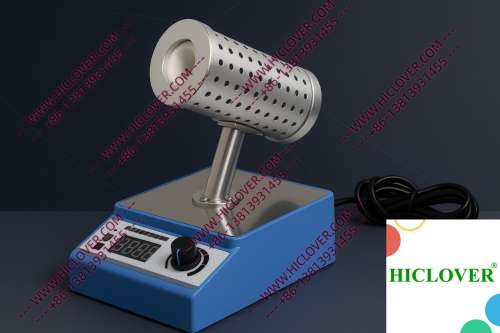
At the core of the Micro Incinerator’s functionality is the principle of rapid thermal sterilization through infrared heat. Unlike traditional flame-based sterilizers, which can produce soot and aerosols, the Micro Incinerator employs an enclosed ceramic heating chamber that emits high-temperature infrared radiation. This technology allows for clean, efficient, and safe sterilization, minimizing the risk of contamination while maintaining a sterile environment. The infrared heat provides uniform heating without direct flames, making it suitable for biosafety cabinets or clean room applications.
Advantages over Traditional Flame Sterilizers
- Safety: Elimination of open flames reduces the risk of fire hazards.
- Contamination Control: Aerosols generated from flames are minimized.
- Precision: Quick response time and consistent temperature provide reliable results.
- Clean Environment: No soot or carbon residues improve working conditions.
- What is a Micro Incinerator?
A Micro Incinerator is a laboratory sterilization device that uses infrared heat to quickly and efficiently sterilize inoculation loops and other small instruments. - How does a Micro Incinerator differ from traditional sterilizers?
It utilizes an enclosed ceramic heating chamber and infrared technology, reducing the risks associated with open flames. - Which laboratories can benefit from using a Micro Incinerator?
BSL-2 labs, university teaching labs, and clinical diagnostics facilities are just a few examples where Micro Incinerators can enhance safety. - Is it compliant with WHO biosafety standards?
Yes, the Micro Incinerator meets regulatory compliance by ensuring minimal contamination risks while efficiently sterilizing implements. - Can it be used in a biosafety cabinet?
Absolutely. Its design is optimized for use in biosafety cabinets, supporting a sterile environment.
Application Scenarios in Real Labs
The practical application of Micro Incinerators is extensive, especially in diverse laboratory settings found in Milwaukee. Here, we explore two prominent scenarios where this sterilizer is pivotal.
1. University Teaching Labs
In academic institutions, teaching labs play a crucial role in educating future scientists. The Micro Incinerator serves as an essential apparatus in these environments, allowing students to conduct experiments without the risks associated with traditional flame sterilizers. Its user-friendly design promotes safe practices during microbiological techniques, such as inoculating petri dishes and transferring cultures within a biosafety cabinet. The instant heating capability ensures rapid turnover and minimizes waiting times during lab sessions.
2. BSL-2 Microbiology Labs
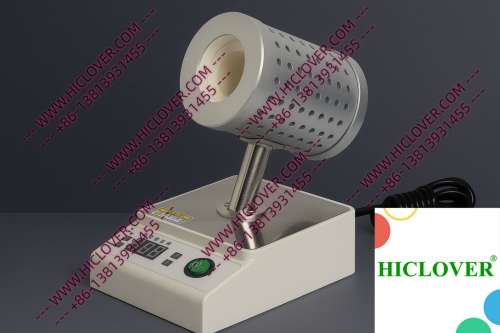
In BSL-2 microbiology labs, where specific pathogens are handled, maintaining a sterile workspace is critical. The Micro Incinerator supports this clinical diagnostics environment by ensuring quick sterilization of inoculation loops used in microbial culture transfers. Its compact size allows it to fit conveniently within biosafety cabinets, ensuring that safety protocols are strictly adhered to while enhancing workflow efficiency. The infrared heating element ensures high-temperatures are efficiently reached, providing the necessary disinfection standards for advanced research.
Compliance and Environmental Considerations
Adhering to compliance regulations is paramount in any laboratory setting. The World Health Organization (WHO) outlines strict biosafety protocols, particularly in laboratories dealing with infectious agents. The Micro Incinerator complies with these standards by providing a sterilization method that eliminates the risks associated with flame usage in clean rooms. Moreover, its design helps facilities maintain air quality standards since it does not produce harmful emissions or aerosols that are common with traditional alcohol lamps and Bunsen burners.
As a result, many clinics and research facilities in Milwaukee have shifted towards adopting the Micro Incinerator to align with regulatory requirements while prioritizing safety in their sterilization practices.
Comparison Table: Micro Incinerator vs. Flame Burners
| Feature | Micro Incinerator | Traditional Flame Burner |
|---|---|---|
| Type of Heat Source | Infrared | Open Flame |
| Risk of Aerosols | No | Yes |
| Operating Temperature | Rapidly adjustable | Variable |
| Safety in Biosafety Cabinets | Recommended | Not advisable |
| Ease of Use | Simple operation | Requires careful handling |
FAQs about Micro Incinerators
Conclusion: Elevate Safety and Performance with Advanced Sterilization
As laboratories in Milwaukee strive for higher biosafety standards and operational efficiency, incorporating the Micro Incinerator / Infrared Inoculating Loop Sterilizer offers an innovative solution to modern sterilization demands. Its advantages over traditional flame sterilizers, combined with adherence to compliance regulations, position it as a cornerstone in laboratory sterilization workflows. For hospitals, universities, and research centers looking to elevate their laboratory practices, investing in a Micro Incinerator could transform their operations. Contact us today for personalized assistance or to place an order!
Categories:
Tags: