
The modern laboratory faces several critical biosafety challenges in an era of heightened awareness around contamination control and rapid thermal sterilization. Ensuring that laboratory environments remain free from pathogens is crucial, particularly in settings that deal with high-risk materials or sensitive patient diagnostics. The demand for effective sterilization workflows that prioritize rapid sterilization without compromising safety has led to revolutionary equipment such as the Micro Incinerator / Infrared Inoculating Loop Sterilizer. This innovative solution is changing the landscape of hospital practices in Albuquerque and beyond.
Understanding the Micro Incinerator
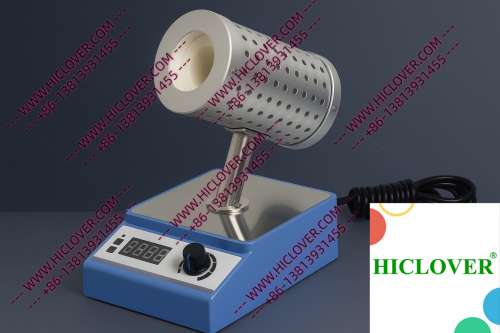
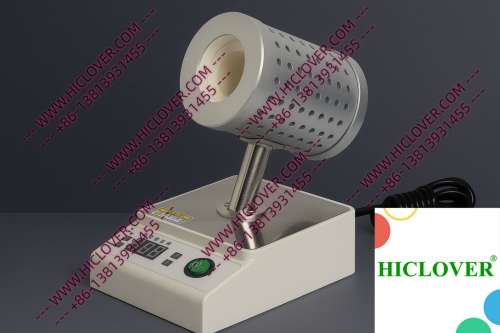
The Micro Incinerator operates using cutting-edge infrared heat technology, enabling rapid sterilization of inoculating loops and other laboratory tools. Its design features an enclosed ceramic tube that provides a significantly enhanced level of safety compared to traditional open flame methods. The absence of flames not only minimizes the risk of accidental burns but also reduces the generation of aerosols, which can contribute to contamination, particularly in clean rooms and biosafety cabinets.
Technical Principles
This advanced sterilization equipment leverages infrared high-temperature disinfection to sterilize lab instruments effectively. The ceramic heating chamber heats to high temperatures within seconds, allowing for swift and efficient burning away of contaminants. The consistent temperature control ensures that the instruments are sterilized without the variances associated with flame exposure, which can lead to uneven heating and ineffective sterilization.
Comparative Advantages Over Traditional Flame Sterilizers
| Feature | Micro Incinerator | Traditional Flame Burners |
|---|---|---|
| Safety | No open flame; reduced burn hazards | High risk of burns and fire |
| Contamination Control | Aerosol-free handling | High aerosol generation |
| Efficiency | Rapid sterilization in seconds | Variable sterilization times |
| Use in Clean Environments | Ideal for biosafety cabinets | Not recommended in clean rooms |
Application Scenarios in Real Laboratories
Biosafety Cabinets
In BSL-2 and BSL-3 microbiology labs, where pathogens can pose a serious risk, the Micro Incinerator emerges as an invaluable asset. Within biosafety cabinets, researchers can achieve high levels of sterility without introducing the hazards associated with flame sterilizers. The lamp’s precise, localized heating enables researchers to perform safe microbial sampling and inoculation efficiently.
Field Testing and Mobile Labs
Beyond stationary laboratory settings, the Micro Incinerator also proves essential in mobile or field testing labs. Clinical diagnostics teams conducting sample tests in remote locations benefit from the portability and quick operational usability of this device. The ability to sanitize instruments quickly allows them to collect and analyze samples responsibly, upholding biosafety standards even in the most challenging environments.
Compliance and Environment
The importance of adhering to established sterilization standards cannot be overstated. The World Health Organization (WHO) outlines essential biosafety protocols to reduce the risks in laboratory settings. These protocols often emphasize the need for sterilizers that do not produce flames in clean environments, aligning perfectly with the functionality of the Micro Incinerator. Laboratories that adopt this technology can easily comply with local and international regulations, ensuring that their practices reflect the highest safety standards.
FAQs
- What makes infrared sterilization safer than traditional flame methods? Infrared sterilization eliminates the risk of open flames and the potential for burns or fires while reducing aerosol production, which is crucial for maintaining cleanroom environments.
- Can the Micro Incinerator be used for all types of laboratory tools? Yes, it is ideal for sterilizing inoculating loops and similar tools used in microbiology and diagnostic labs.
- How long does it take for the Micro Incinerator to achieve sterilization? It typically takes only a few seconds for effective sterilization, drastically reducing downtime compared to traditional methods.
- Are there any specific maintenance requirements for a Micro Incinerator? Regular cleaning of the heating chamber is recommended to maintain optimal performance and longevity.
- Is the Micro Incinerator suitable for fieldwork? Absolutely, its portability and rapid sterilization capabilities make it an excellent choice for field labs and emergency medical situations.
Conclusion
As the healthcare landscape in Albuquerque and globally shifts towards more stringent biosafety practices, adopting advanced laboratory sterilization equipment—such as the Micro Incinerator / Infrared Inoculating Loop Sterilizer—becomes imperative. With its innovative technology improving workflow efficiency, safety, and compliance with international standards, this equipment marks a significant leap forward in laboratory practices. For distributors, hospitals, universities, and research centers in need of advanced and efficient sterilization solutions, we invite you to explore the benefits of integrating the Micro Incinerator into your sterile processes.
Categories:
Tags: