
In the demanding environment of modern laboratories, ensuring biosafety is paramount. With biotechnological advancements and an increased focus on clinical diagnostics, laboratory professionals face significant challenges. Contamination control is critical, as pathogens can compromise research, patient safety, and overall efficacy. One area that continues to demand innovation is sterilization equipment. Among these, the Micro Incinerator, also known as the Infrared Inoculating Loop Sterilizer, emerges as a game-changer in the sterilization workflow.
Why Laboratory Sterilization Is Essential
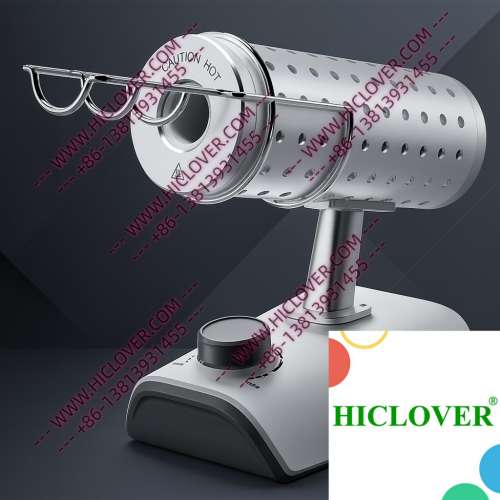
Laboratories, particularly those classified as BSL-2 and BSL-3 microbiology labs, require stringent sterilization protocols to mitigate risks. Traditional methods such as Bunsen burners and alcohol lamps are being gradually replaced by advanced technologies that provide rapid thermal sterilization in controlled environments. The Micro Incinerator utilizes infrared heat to achieve high-temperature disinfection without the use of an open flame, thus enhancing both safety and efficiency.
Technical Principles of the Micro Incinerator
The Micro Incinerator operates using an enclosed ceramic heating chamber that generates intense infrared heat. This design minimizes the risk associated with traditional flame sterilizers, such as uncontrolled flare-ups and the production of harmful aerosols. The key features include:
- Rapid Heating: The infrared technology allows for quick and efficient heating, ensuring effective sterilization in mere seconds.
- Controlled Environment: The encapsulated design ensures that all sterilization processes occur within a safe, clean environment.
- Extended Durability: Built with robust materials, the Micro Incinerator can withstand the rigorous demands of daily lab use.
Application Scenarios in Real Labs
1. Biosafety Cabinets: In a biosafety cabinet setup, the Micro Incinerator serves as an essential tool for sterilizing inoculating loops, thus preventing contamination while working with sensitive biological samples. Its aerosol-free handling capability ensures that even in critical operations, personnel are shielded from potential pathogens.
2. Teaching Labs: University environments require demonstration of best practices in microbiological techniques. The Micro Incinerator’s ease of use and safety features make it an ideal choice for educators, providing students a hands-on experience in sterile procedures without the risks associated with flame sterilization.
Compliance with International Standards
Adherence to biosafety standards is crucial for laboratories across Anchorage and beyond. The World Health Organization (WHO) has outlined stringent guidelines that laboratories must comply with, including the use of sterilizers to avoid flame exposure in clean rooms. Given its enclosed design and green credentials, the Micro Incinerator aligns perfectly with these guidelines. In addition, it helps uphold lab sterilization standards set forth by regulatory bodies, ensuring that no toxic emissions or contaminants are released into the surrounding environment.
Advantages of the Micro Incinerator Over Traditional Sterilizers
| Feature | Micro Incinerator | Traditional Flame Burners |
|---|---|---|
| Heating Method | Infrared heat, no open flame | Open flame (Bunsen burner, alcohol lamp) |
| Safety | Reduced burn risk, aerosol-free | Fire hazards, aerosols can pose risk |
| Speed | Rapid sterilization process | Longer heating time |
| Environmental Impact | No toxic emissions | Combustion gases released |
Frequently Asked Questions
What is the Micro Incinerator used for?
The Micro Incinerator is primarily used to sterilize inoculating loops and other laboratory instruments quickly and safely, making it ideal for various laboratory settings, including teaching labs and clinical diagnostics.
How does infrared heat work in the Micro Incinerator?
Infrared heat technology heats the enclosed ceramic chamber rapidly, allowing for sufficient sterilization without exposing personnel to open flames or dangerous aerosols.
Is the Micro Incinerator environmentally friendly?
Yes, the Micro Incinerator operates without producing harmful emissions commonly associated with traditional flame sterilizers, making it a safer choice for both users and the environment.
Can the Micro Incinerator be used in BSL-3 labs?
Absolutely! The Micro Incinerator is suitable for use in BSL-3 labs, as its design adheres to strict biosafety regulations while ensuring effective sterilization protocols.
Where can I purchase a Micro Incinerator?
You can find the Micro Incinerator through laboratory supply distributors or directly from manufacturers who specialize in biosafety equipment.
Conclusion: Innovating Laboratory Practices for a Safer Future
In a world where laboratory safety and efficiency are critical, the Micro Incinerator stands out as a pioneering tool in the realm of sterilization. By replacing traditional flame sterilizers with advanced infrared technology, laboratories in Anchorage and beyond can foster safer environments for their staff and research projects. If you’re interested in enhancing lab safety, consider reaching out for more information on how you can integrate the Micro Incinerator into your sterilization practices.
Categories:
Tags: