
In microbiology teaching laboratories, maintaining a sterile working environment is crucial for accurate research outcomes and effective learning. However, ensuring laboratory biosafety can often present significant challenges, especially when dealing with rapid thermal sterilization and contamination control. Among the various tools available for sterilization, the Micro Incinerator, specifically the Infrared Inoculating Loop Sterilizer, stands out as an essential asset for educators and researchers alike.
Understanding the Technical Principles of Micro Incinerators
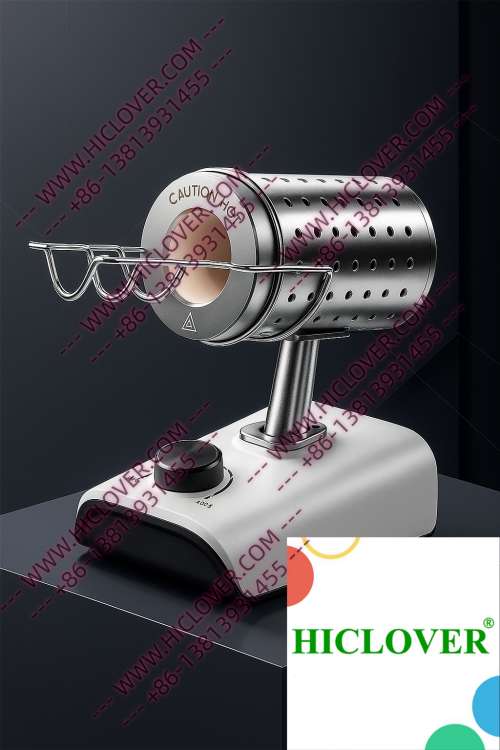
The Micro Incinerator operates using infrared heat generated within an enclosed ceramic tube, delivering rapid and high-temperature sterilization of inoculating loops and other laboratory implements. Unlike traditional flame sterilizers, which can create unsafe aerosols and pose health hazards, infrared sterilizers ensure clean-bench-safe and aerosol-free handling. This sterilization method allows for greater accuracy and control during microbiological experiments, making it an ideal choice for various laboratory environments, including BSL-2 microbiology labs.
Advantages of Micro Incinerators Over Traditional Flame Sterilizers
- Reduced Aerosol Production: Infrared sterilizers minimize aerosol formation, reducing the risk of airborne contamination.
- Consistent Temperature Control: Users can set the exact temperature needed for efficient sterilization, typically up to 800°C.
- Ease of Use: Micro Incinerators heat up quickly and provide simple operational methods, making them ideal for teaching labs.
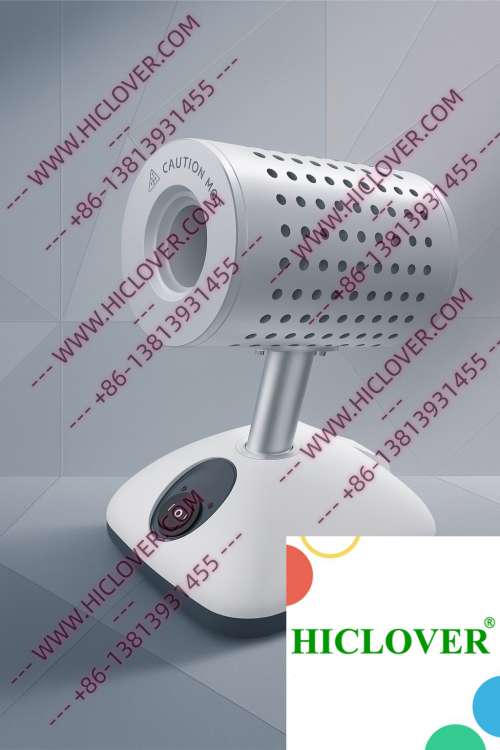
This modern sterilization equipment ensures a safer environment for students and researchers, allowing for improved learning and research efficiency. With these advantages, the Micro Incinerator is a prime choice for laboratory supply distributors looking to invest in high-quality sterilization equipment.
Application Scenarios for Micro Incinerators
1. University Teaching Labs
In university teaching labs, students often conduct experiments involving live microbial cultures. Utilizing the Micro Incinerator, they can quickly sterilize inoculating loops between samples, ensuring no cross-contamination. The compact design fits seamlessly into a biosafety cabinet, providing an efficient and safe workspace without the hassle of managing open flames or hazardous materials. This equipment fosters a conducive learning environment where students focus on critical scientific principles rather than on the complexities of maintaining sterile conditions.
2. Field Testing Operations
Field testing labs frequently encounter challenging conditions that require portable and reliable sterilization solutions. The Micro Incinerator operates well in mobile and field settings, enabling microbiologists to maintain strict sterilization protocols even in remote locations. Its robust and lightweight design ensures safety and functionality, even without direct access to traditional laboratory infrastructure. By integrating infrared inoculating loop sterilizers in their field operations, scientists can uphold laboratory standards without compromising safety.
Compliance with Biosafety Standards
Adhering to biosafety regulations is essential for any microbiology laboratory. The World Health Organization (WHO) offers comprehensive guidelines outlining the necessary precautions and protocols to prevent contamination and enhance safety. For BSL-2 and BSL-3 laboratories, utilizing sterilization equipment like the Micro Incinerator aligns with stringent laboratory sterilization standards. Unlike flame-based systems, which are unsuitable for clean rooms and could endanger microbial studies, infrared sterilizers provide a flame-free alternative, ensuring compliance with safety regulations.
“Adopting advanced sterilization technologies not only fulfills compliance requirements but also enhances the overall safety and accuracy of microbiological research.” – Biosafety Expert
Micro Incinerator vs. Flame Burners Comparison
| Feature | Micro Incinerator | Flame Burners |
|---|---|---|
| Aerosol Production | Minimal | High |
| Temperature Control | Precise | Variable |
| Ease of Use | High | Moderate |
| Safety | Flame-free | Flammable |
Frequently Asked Questions (FAQs)
What types of sterilization equipment are best for university labs?
For university labs, Micro Incinerators, such as Infrared Inoculating Loop Sterilizers, are highly recommended due to their rapid thermal sterilization capabilities, safety, and ease of use.
How do Micro Incinerators enhance safety in BSL-2 labs?
Micro Incinerators provide a flame-free sterilization solution that minimizes aerosol generation, ensuring a safer working environment that aligns with biosafety standards.
Can Micro Incinerators be used for field testing?
Yes, the portable nature and efficient operation of Micro Incinerators make them ideal for field testing labs, allowing researchers to maintain sterilization protocols in remote locations.
Are Micro Incinerators compliant with international standards?
Absolutely, Micro Incinerators meet strict international biosafety standards, making them suitable for both laboratory and field operations.
What is the advantage of infrared sterilization over traditional methods?
Infrared sterilization provides rapid, direct heating without open flames, leading to improved safety, reduced risk of contamination, and better control over sterilization processes.
Conclusion
In the dynamic world of microbiology teaching labs, reliable sterilization equipment is essential for fostering a safe and efficient learning environment. The Micro Incinerator / Infrared Inoculating Loop Sterilizer offers unparalleled benefits over traditional flame sterilizers, ensuring compliance with biosafety regulations and supporting advanced scientific practices. For laboratory supply distributors, hospitals, and educational institutions considering an investment in high-quality sterilization solutions, now is the time to embrace the future of sterilization technology. Feel free to contact us for detailed information on our range of Micro Incinerators, tailored to meet your laboratory’s specific needs.
Categories:
Tags: