
In the ever-evolving realm of scientific research, ensuring biosafety and effective contamination control presents considerable challenges, particularly in laboratory settings that require strict adherence to sterilization protocols. The implementation of advanced sterilization equipment like the Micro Incinerator or Infrared Inoculating Loop Sterilizer is crucial. These devices stand out in their ability to meet the rigorous demands for laboratory sterilization, thereby enhancing research efficiency and safety.
The Need for Effective Sterilization Equipment
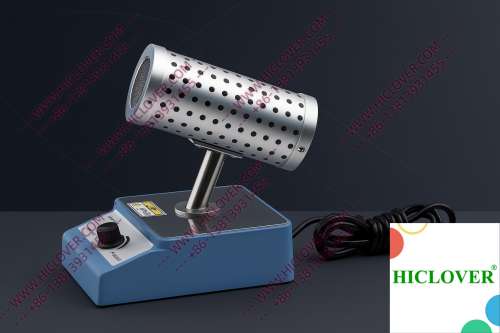
Lab environments, especially BSL-2 and BSL-3 microbiology labs, must navigate the complexities of rapid thermal sterilization to ensure no pathogens interfere with research integrity. Traditional methods like flame sterilizers, including alcohol lamps and Bunsen burners, are still prevalent, but they have limitations in terms of efficacy and safety. The inherent risk of flame accidents and potential contamination from soot and aerosols necessitates the adoption of more advanced technology. This is where the Micro Incinerator shines.
Technical Principles of the Micro Incinerator
At the heart of the Micro Incinerator’s efficacy lies its infrared heating mechanism. Utilizing an enclosed ceramic tube, this equipment generates high temperatures quickly and uniformly, providing high-temperature disinfection without the hazardous byproducts associated with traditional flame methods. The infrared technology enables a clean and focused heating method, leading to:
- Reduced contamination risk
- No open flames, enhancing safety
- Quick turnaround times between sterilization cycles
- Lower energy consumption compared to flame-based sterilizers
- What is the primary advantage of using a Micro Incinerator for sterilization? The Micro Incinerator provides rapid thermal sterilization with minimal risk of contamination compared to traditional flame sterilizers.
- How does the infrared technology work in the Micro Incinerator? Infrared technology focuses heat in an enclosed ceramic tube, allowing for quick and efficient high-temperature disinfection.
- Can the Micro Incinerator be used in clean rooms? Absolutely, its no-flame design makes it ideal for use in clean and controlled environments, reducing potential hazards.
- What industries benefit from using Micro Incinerators? Industries such as clinical diagnostics, pharmaceutical research, and educational institutions frequently utilize these sterilizers for their superior safety and efficacy.
- How does the Micro Incinerator enhance laboratory workflow? By integrating rapid sterilization into the workflow, researchers and laboratory personnel can significantly reduce downtime and maintain a faster pace of experimentation.
Application Scenarios in Real Laboratories
Let’s explore two practical examples of how the Micro Incinerator is utilized in distinct laboratory settings.
Biosafety Cabinet Operations
In university teaching labs, the use of a biosafety cabinet is crucial for experiments involving pathogenic microorganisms. Combining the cabinet with the Micro Incinerator allows instructors and students to practice safe inoculation techniques while ensuring swift sterilization of inoculation loops. This synergy supports optimal workflow efficiency and keeps the learning environment secure.
Field Testing Labs
In mobile or field testing labs, researchers often face unexpected environmental challenges. The portability and rapid sterilization capability of the Micro Incinerator allow researchers conducting tests in remote locations to sterilize equipment effectively without the need for bulky equipment or igniting flames. This flexibility ensures that samples taken in potentially hazardous environments remain uncontaminated.
Compliance with Global Sterilization Standards
Ensuring compliance with international biosafety regulations, such as those stipulated by the World Health Organization (WHO), is vital for laboratory operations. According to WHO guidelines, facilities must implement sterilization protocols that eliminate any risks of contamination effectively. Moreover, many laboratories adhere to sterilization standards set forth by organizations like the Clinical and Laboratory Standards Institute (CLSI), which promote practices that mitigate contamination risks.
One notable advantage of using the Micro Incinerator is the absence of flames. This characteristic is essential in clean rooms and areas with strict protocols against combustion. Laboratories equipped with CO₂ incubators or anaerobic chambers particularly benefit from this compliance, minimizing risks associated with ignition sources.
Advantages of Micro Incinerators over Traditional Flame Sterilizers
When choosing sterilization methods, laboratories must consider various factors, including efficiency, safety, and compliance. The following table highlights critical differences between the Micro Incinerator and traditional flame sterilizers:
| Feature | Micro Incinerator | Flame Sterilizers |
|---|---|---|
| Heat Source | Infrared | Open Flame |
| Contamination Risk | Low | High (soot, aerosols) |
| Energy Efficiency | High | Variable |
| Safety | Safe | Risk of fire |
FAQs about the Micro Incinerator and Laboratory Sterilization
Conclusion
As the landscape of scientific research reshapes itself with the increasing need for biosafety and contamination control, equipping laboratories with advanced sterilization equipment is non-negotiable. The Micro Incinerator / Infrared Inoculating Loop Sterilizer presents a compelling case for its adoption, combining efficiency, safety, and compliance. For laboratory supply distributors, hospitals, universities, and research centers seeking to upgrade their sterilization processes, investing in high-quality sterilization equipment like the Micro Incinerator simplifies pathogenesis control while boosting productivity. Don’t hesitate to reach out for further information or inquiries about our products!
Categories:
Tags: