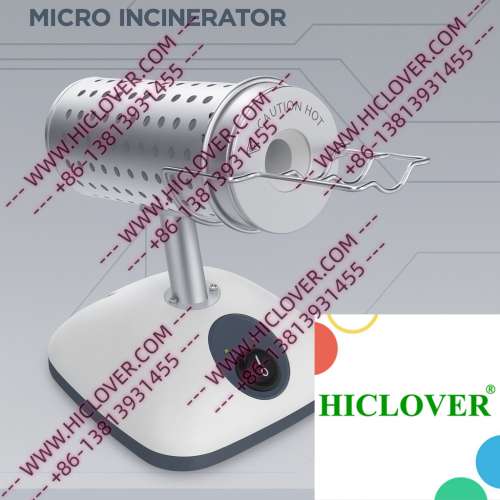
In the fast-evolving landscape of healthcare, ensuring laboratory biosafety is more critical than ever, particularly in a city like Kigali, where healthcare demands are rapidly rising. Laboratories face significant challenges in maintaining stringent sterilization workflows, often leading to contamination risks that can jeopardize patient safety and research integrity. Among various sterilization solutions, the Micro Incinerator or Infrared Inoculating Loop Sterilizer has emerged as a leading choice for its efficiency, safety, and compliance with modern laboratory standards.
Understanding Advanced Sterilization Technology
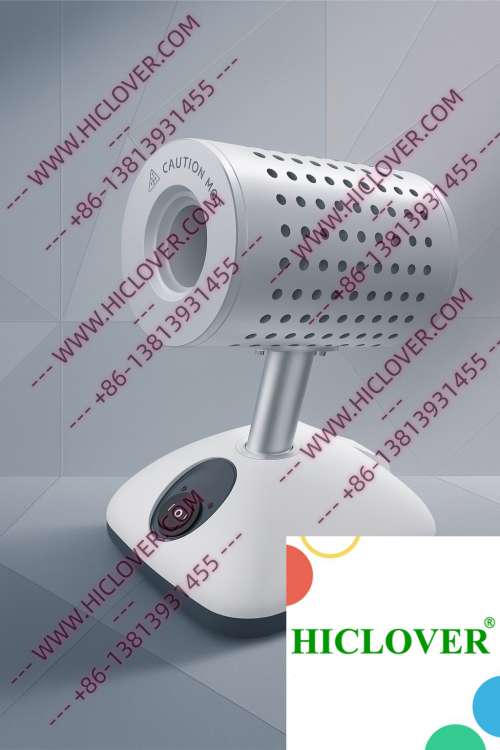
The Micro Incinerator utilizes infrared heat technology, a principle that provides rapid thermal sterilization without the need for an open flame. Unlike traditional flame sterilizers such as alcohol lamps and Bunsen burners, this advanced device features an enclosed ceramic heating chamber that allows temperatures to soar above 800°C, ensuring effective disinfection of inoculating loops and other laboratory tools within seconds. This infra-red high-temperature disinfection process significantly reduces the risks associated with aerosol generation and provides a clean-bench-safe solution for contemporary laboratory environments.
Key Advantages Over Traditional Flame Sterilizers
- Efficiency: Quick heating up and sterilization times.
- Safety: No naked flames reduce the risk of fire and safeguard against contamination.
- Control: Precise temperature management ensures total sterilization.
- Ergonomics: Design tailored for ease of use in various lab settings.
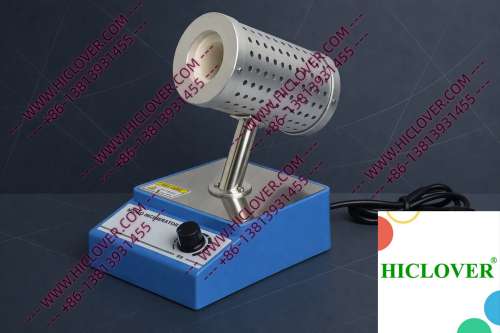
Application Scenarios in Kigali’s Laboratory Landscape
The Micro Incinerator finds numerous use cases within the diverse laboratory settings found across Kigali:
1. University Teaching Labs
In educational establishments, the Micro Incinerator provides a robust framework for safe and effective teaching of laboratory skills. Students in microbiology and biotechnology programs can utilize this device to sterilize their inoculating loops without the fear of flame-related accidents. Additionally, the rapid thermal sterilization facilitates faster practical sessions, enhancing the overall learning experience.
2. Clinical Diagnostics
In BSL-2 and BSL-3 microbiology labs, where contamination risks are heightened, the Micro Incinerator serves as a crucial tool for ensuring biosafety. During routine diagnostic procedures, lab personnel can efficiently use the sterilizer to decontaminate tools, minimizing exposure to potentially hazardous biological agents. As a result, healthcare professionals can focus on accurate diagnostics without compromise.
Biosafety Compliance and Environmental Considerations
Compliance with international biosafety standards, such as those established by the World Health Organization (WHO) and local regulations in Rwanda, is essential for ensuring lab safety. The installation of systems that prevent aerosol generation—like the Micro Incinerator—is crucial in maintaining compliance in clean rooms and biosafety cabinets. Adopting such technologies not only adheres to safety guidelines but also promotes environmentally sustainable practices by reducing gas emissions associated with flame sterilization.
“The implementation of advanced sterilization techniques is central to enhancing healthcare safety in Rwanda, particularly as we strive to achieve international health standards,” states Dr. Ngabo, a Kigali-based microbiologist.
Comparative Analysis: Micro Incinerator vs. Traditional Flame Burners
| Feature | Micro Incinerator | Flame Burners |
|---|---|---|
| Heating Mechanism | Infrared Heat | Open Flame |
| Temperature Control | Accurate and Consistent | Dependent on User Skill |
| Safety | Low Fire Risk | High Fire and Contamination Risk |
| Speed of Sterilization | Seconds | Varies |
| Post-Use Cleanliness | Minimal Residues | Potential Soot and Residue |
Frequently Asked Questions (FAQs)
What is the primary advantage of using a Micro Incinerator in the lab?
The most significant advantage is its efficient and safe sterilization process, eliminating the risks associated with open flames and reducing contamination chances.
How does the Micro Incinerator ensure compliance with biosafety standards?
Its design minimizes aerosol generation, making it an ideal choice for BSL-2 and BSL-3 laboratories, enhancing overall biosafety in compliance with WHO and local regulations.
Can it be used in field-testing environments?
Yes, the portability of the Micro Incinerator makes it suitable for field-testing setups, providing rapid sterilization away from traditional laboratory facilities.
How does it contribute to environmental safety?
The use of infrared technology reduces gas emissions typically associated with flame sterilizers, contributing to a cleaner laboratory environment.
What types of laboratory tools can I sterilize using this device?
The Micro Incinerator is ideal for sterilizing inoculating loops, forceps, and other small instruments used in microbiological and biochemical labs.
Conclusion
Advanced sterilization equipment like the Micro Incinerator is transforming lab safety protocols in Kigali’s healthcare environment. By addressing the key challenges related to biosafety and contamination control, this innovative product not only enhances laboratory workflows but also boosts compliance with vital safety standards. If you’re interested in upgrading your lab’s sterilization capabilities and ensuring a safer working environment, don’t hesitate to contact us today for more information on our high-quality Micro Incinerator offerings.
Categories:
Tags: