
In the fast-paced environment of laboratories across Houston, ensuring biosafety and effective sterilization is a critical challenge. Pathogen containment, sample integrity, and compliance with stringent health regulations are significant concerns. As laboratories strive to enhance workflow efficiencies and mitigate contamination risks, the adoption of advanced sterilization equipment, specifically Micro Incinerators or Infrared Inoculating Loop Sterilizers, has become increasingly popular.
Understanding the Micro Incinerator: Technical Principles
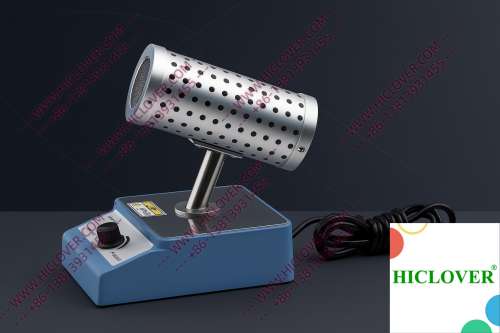
Micro Incinerators utilize advanced infrared heating to achieve rapid thermal sterilization. The core technology involves an enclosed ceramic heating chamber that reaches high temperatures instantaneously, allowing for quick disinfection of inoculating loops and other tools without the need for flames. This provides an efficient alternative to traditional flame sterilizers, such as alcohol lamps and Bunsen burners, which can pose a risk of contamination and fire hazards in sensitive lab environments.
- Precision Heating: Infrared technology allows for controlled and consistent heating, minimizing the risk of overheating or underheating.
- Ergonomic Design: Micro Incinerators are designed for ease of use, often featuring a compact form that takes up minimal bench space.
- Contamination Control: The lack of an open flame significantly reduces the potential for airborne contaminants and assures safer handling of sterilized tools.
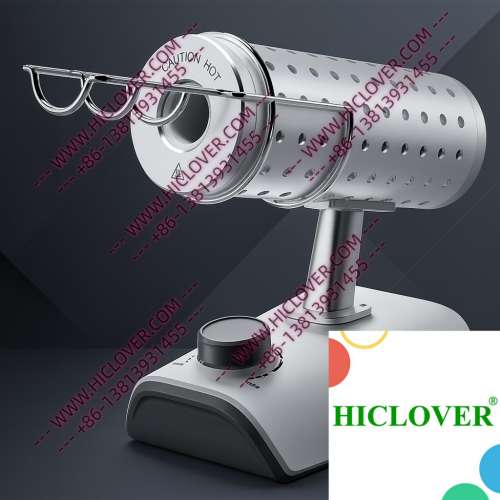
Practical Applications in Real Labs
Micro Incinerators find utility in various laboratory settings. Below are two illustrative application scenarios, showcasing their versatility and effectiveness.
Application Scenario 1: University Teaching Labs
In university teaching labs, where students are learning microbiological techniques, using traditional flame sterilizers can be both intimidating and hazardous. Micro Incinerators simplify the sterilization process and provide an added level of safety. Instructors can demonstrate sterilization techniques without the risk of accidental burns or fires, allowing learners to focus on developing their skills in a safe environment. This aerosol-free handling contributes to a cleaner learning space while preventing cross-contamination of cultures.
Application Scenario 2: BSL-3 Microbiology Labs
In more sensitive settings, such as BSL-3 microbiology labs, the potential for contamination is always a concern. Researchers are often working with highly pathogenic microorganisms that require careful and controlled sterilization protocols. Utilizing Micro Incinerators allows for an enclosed system that promotes safety and efficiency, minimizing exposure to harmful agents. The infrared high-temperature disinfection significantly reduces any risk associated with open flames, making Micro Incinerators an indispensable part of infection control protocols.
Compliance and Environmental Considerations
Laboratories are bound by strict compliance regulations that govern sterilization practices to ensure safety and efficacy. The World Health Organization (WHO) offers guidelines that emphasize the importance of effective sterilization methods to prevent laboratory-acquired infections.
Furthermore, in certain environments such as clean rooms, the use of open flames is prohibited due to the risk of fire and contamination. Micro Incinerators meet these regulatory requirements by providing a safe, flame-free, and environmentally-friendly alternative that adheres to global standards for lab safety and sterilization.
Advantages of Micro Incinerators Over Traditional Flame Burners
| Feature | Micro Incinerator | Flame Burner |
|---|---|---|
| Heating Method | Infrared | Open Flame |
| Contamination Risk | Low | High |
| Ease of Use | High | Medium |
| Safety | High | Variable |
FAQs About Micro Incinerators
1. How long does it take to sterilize an inoculating loop with a Micro Incinerator?
The sterilization time is typically less than 10 seconds due to rapid heating properties.
2. Are Micro Incinerators suitable for all laboratory environments?
Yes, they are designed for BSL-1 through BSL-3 laboratories and are ideal for both educational and research settings.
3. What makes the Micro Incinerator a safe choice compared to traditional sterilizers?
The enclosed design and infrared technology significantly reduce the risk of burns, fires, and aerosol contamination.
4. Can Micro Incinerators operate continuously, or is there a cooling period?
Most models can operate continuously but may require short cooling periods to maintain optimal performance.
5. Is there a need for special training to operate a Micro Incinerator?
While they are user-friendly, training on proper usage and safety protocols is recommended to ensure maximum effectiveness and safety.
Conclusion: Invest in Safety and Efficiency
As the landscape of laboratory work continues to evolve, so do the demands for safety and efficiency in sterilization practices. Investing in Micro Incinerators not only enhances workflow but also fortifies compliance with critical safety regulations. Whether you’re in a university teaching lab, high-stakes BSL-3 facility, or conducting field tests in Houston, incorporating infrared inoculating loop sterilizers into your sterilization routine is a proactive step towards a safer, cleaner laboratory environment. Contact us today to explore high-quality Micro Incinerator options tailored to your needs!
Categories:
Tags: