
In modern laboratory environments, ensuring biosafety and contamination control is paramount. Laboratories, especially those operating under BSL-2 and BSL-3 conditions, face numerous biosafety challenges and workflow demands. Laboratory personnel must rely on efficient sterilization methods to maintain the integrity of their work. Traditional flame sterilizers like alcohol lamps and Bunsen burners have been integral for years, yet they come with safety risks and inefficiencies. Enter the Micro Incinerator, a cutting-edge solution that offers rapid thermal sterilization in a clean, flame-free environment.
Understanding the Principles of the Micro Incinerator
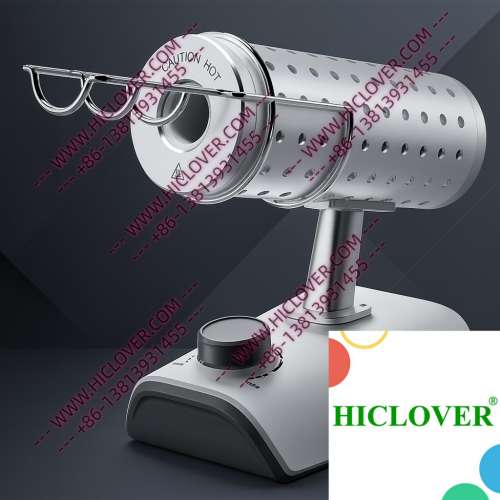
The Micro Incinerator operates on the principle of infrared heat, utilizing an enclosed ceramic heating chamber to achieve high-temperature disinfection. This configuration allows for precise thermal control, effectively eliminating bacteria and other pathogens without the hazards associated with open flames. Unlike traditional flame sterilizers, the radiant heat of the Micro Incinerator ensures quick sterilization while minimizing the risk of sample contamination and maintaining a clean working environment.
Key Features of the Micro Incinerator
- Rapid Sterilization: Achieves sterilization in just seconds, enhancing workflow efficiency.
- Compact Design: Easily fits in any laboratory setting, from biosafety cabinets to crowded benches.
- Aerosol-Free: Reduces contamination risks associated with traditional flame methods.
- Low Power Consumption: Eco-friendly design requires minimal electrical energy compared to flame-creating devices.
- Maintenance-Free: Unlike fuel-burning systems, there is no need for fuel replacement or burning excess residuals.
- WHO Biosafety Guidelines
- ISO Standards for Laboratory Equipment
- ANSI/AAMI Standards for Sterilization Processes
Applications in Real Laboratory Settings
When used in various laboratory scenarios, the Micro Incinerator has shown its versatility and efficacy. Here are two prime applications:
1. Biosafety Cabinets in Microbiology Labs
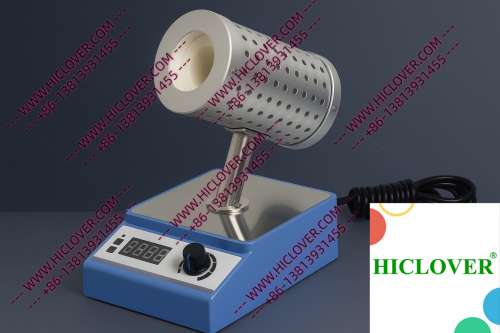
In BSL-2 and BSL-3 laboratories, where strict compliance with biosafety protocols is essential, the Micro Incinerator has proven invaluable. Within a biosafety cabinet, researchers can sterilize inoculating loops rapidly while conducting sensitive microbiological experiments. The absence of an open flame significantly reduces the risk of fire hazards, ensuring personnel and specimen safety.
2. Teaching Labs for Educational Purposes
The incorporation of Micro Incinerators in university teaching labs promotes a hands-on understanding of sterilization techniques among students. Educators can demonstrate sterilization processes without the dangers of flames. This not only aligns with educational standards but also instills best practices for future scientists.
Compliance and Environmental Considerations
Laboratories around the globe, including those in the United States and Europe, must adhere to strict biosafety standards. The World Health Organization (WHO) guidelines emphasize the need for flame-free operations, particularly in clean rooms and sterile environments. For this reason, the Micro Incinerator is compliant with various laboratory sterilization standards, making it a preferred choice for institutions focused on safety and efficacy.
Biosafety Compliance Overview
Using an advanced sterilization technique like the Micro Incinerator not only addresses technical and operational needs but also aligns with global biosafety regulations:
Comparative Analysis: Micro Incinerator vs. Traditional Flame Sterilizers
| Feature | Micro Incinerator | Flame Sterilizers (Bunsen Burners/Alcohol Lamps) |
|---|---|---|
| Heat Source | Infrared | Open Flame |
| Speed of Sterilization | Seconds | Variable (slow) |
| Contamination Risk | Low (Aerosol-free) | High (aerosol generation) |
| Safety | High (flame-free) | Medium (risk of burns/fire) |
| Environmental Impact | Low (energy-efficient) | High (fuel consumption) |
Frequently Asked Questions
What is the main advantage of using a Micro Incinerator compared to traditional sterilizers?
The Micro Incinerator offers rapid sterilization in seconds without the risk associated with an open flame, making it safer and more efficient for laboratory environments.
Is the Micro Incinerator suitable for all laboratory settings?
Yes, the Micro Incinerator is versatile and can be used in various settings like teaching labs, field testing environments, and high-containment laboratories.
How does the Micro Incinerator ensure compliance with biosafety standards?
The Micro Incinerator operates under compliance with WHO guidelines and various ISO standards, making it compliant for use in critical laboratory environments.
Can the Micro Incinerator be used in a biosafety cabinet?
Absolutely! The Micro Incinerator is designed to fit comfortably within biosafety cabinets, enhancing safety during microbiological procedures.
Does the Micro Incinerator require much maintenance?
No, it is maintenance-free unlike traditional flame sterilizers, which require regular fuel replacement and monitoring for safe operation.
Conclusion
In conclusion, the Micro Incinerator / Infrared Inoculating Loop Sterilizer represents a paradigm shift in laboratory sterilization practices. Its rapid sterilization capabilities, safety features, and compliance with biosafety regulations make it a vital asset for laboratories worldwide. Whether for clinical diagnostics, teaching, or field research, the Micro Incinerator enhances both safety and efficiency. For laboratories looking to upgrade their sterilization equipment and improve workflow reliability, contacting a trusted distributor for this non-flame solution is a crucial step toward better biosafety and operational excellence.
Categories:
Tags: