
Laboratories worldwide face an ongoing challenge: ensuring biosafety while minimizing environmental impact. Traditional sterilization methods, such as Bunsen burners and alcohol lamps, present risks such as the creation of aerosols, open flames, and higher energy consumption. With increasing regulatory pressure and the need for eco-friendly practices, laboratories are adopting innovative technologies like the Micro Incinerator or Infrared Inoculating Loop Sterilizer. This article explores how this advanced sterilization technology enhances safety, efficiency, and sustainability in laboratory processes.
Understanding the Micro Incinerator Technology
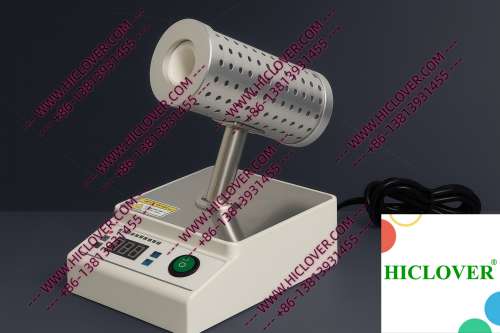
The Micro Incinerator harnesses the power of infrared heat combined with an enclosed ceramic tube to deliver rapid thermal sterilization. Unlike traditional open flame methods, this design minimizes the risk of aerosol generation and allows for precise control over temperature. The ceramic heating chamber reaches high temperatures quickly (over 800°C), ensuring effective disinfection of inoculating loops and other tools within seconds. This efficiency contributes significantly to workflow optimization in busy laboratory environments.
- Rapid thermal sterilization: Achieves effective disinfection in a matter of seconds.
- Aerosol-free handling: Minimizes risks in sensitive environments, such as BSL-2 and BSL-3 labs.
- Energy-efficient: Consumes less energy compared to traditional flame sterilizers.
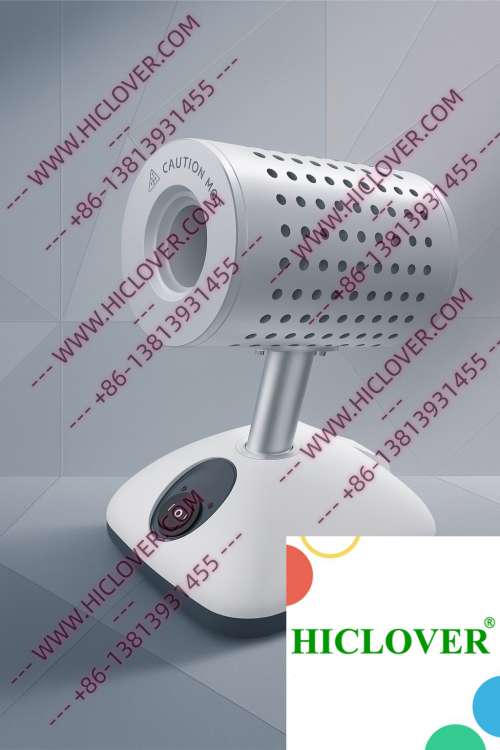
Real-World Applications of Micro Incinerators
Biosafety Cabinets
In clinical diagnostics and microbiology labs, the use of biosafety cabinets (BSC) is critical for maintaining sterile environments. The Micro Incinerator fits seamlessly into BSCs, allowing for efficient sterilization of instruments without compromising air quality. The enclosed design ensures that no flames threaten the containment necessary in biosafety cabinets, keeping aerosols contained and protecting sensitive samples.
Field Testing and Mobile Labs
Field testing requires practical solutions to ensure samples remain uncontaminated. In mobile laboratories, the Micro Incinerator offers a lightweight, energy-efficient alternative to traditional flame sterilizers. Its portability and rapid sterilization capability make it an ideal companion for microbiologists conducting tests in various environments, from remote field sites to urban settings.
Environmental Compliance and Enhancing Laboratory Standards
As laboratories strive to adhere to global safety standards, such as WHO biosafety guidelines and ISO lab sterilization standards, the Micro Incinerator excels in this area. Open flames are not permissible in clean rooms to avoid contamination, making this technology an attractive solution for any lab that prioritizes compliance with biosafety protocols.
“The Micro Incinerator represents a leap forward in sterilization technology, aligning perfectly with both safety and sustainability goals,” says Dr. Emily Zhang, an expert in laboratory automation.
Comparing Micro Incinerators and Flame Sterilizers
| Feature | Micro Incinerator | Flame Sterilizers |
|---|---|---|
| Aerosol Generation | None | Significant risk |
| Energy Consumption | Low | High |
| Temperature Control | Precise | Variable |
| Safety | No open flame | Open flame hazard |
| Compliance with Clean Room Standards | Yes | No |
Frequently Asked Questions (FAQs)
1. What is the operational efficiency of a Micro Incinerator compared to traditional sterilizers?
The Micro Incinerator offers quicker sterilization cycles, reducing downtime and maximizing lab efficiency compared to traditional methods.
2. Can the Micro Incinerator be used in field testing scenarios?
Yes, its lightweight and compact design make it ideal for mobile or field labs, enabling rapid sterilization in diverse environments.
3. How does the Micro Incinerator align with WHO safety standards?
Its aerosol-free operation and high sterilization accuracy comply with international biosafety and sterilization standards, ensuring safe and effective laboratory practices.
4. What types of laboratory environments are best suited for Micro Incinerators?
Micro Incinerators are perfect for BSL-2 and BSL-3 labs, clinical diagnostics, university teaching labs, and more, thanks to their safety and efficiency.
5. Are there any ongoing maintenance requirements for the Micro Incinerator?
Maintaining the Micro Incinerator is straightforward, requiring periodic cleaning of the ceramic tube to ensure optimal performance and longevity.
The Future of Laboratory Sterilization
As the laboratory industry pivots towards sustainable practices, the Micro Incinerator / Infrared Inoculating Loop Sterilizer provides an effective solution to the challenges posed by traditional sterilization methods. Its innovative design ensures minimal environmental impact while enhancing laboratory workflow. In cities like San Francisco and countries committed to green initiatives, incorporating this technology signifies a responsible choice for the future.
If you’re seeking to upgrade your laboratory’s sterilization methods with cutting-edge technology, contact us today to learn more about the Micro Incinerator and how it can improve your laboratory’s safety, efficiency, and sustainability.
Categories:
Tags: