
Laboratories are at the forefront of scientific discovery and biotechnology. However, ensuring a contaminant-free environment is a cardinal challenge faced by researchers and technicians alike. Sterilization workflow demands are paramount for effective biosafety protocols, especially in fields like microbiology, clinical diagnostics, and even teaching labs. Among the critical devices in laboratory sterilization arsenal is the Micro Incinerator, also known as the Infrared Inoculating Loop Sterilizer. This advanced technology offers significant advantages over traditional flame sterilizers such as alcohol lamps and Bunsen burners.
Technical Principles of Micro Incinerators
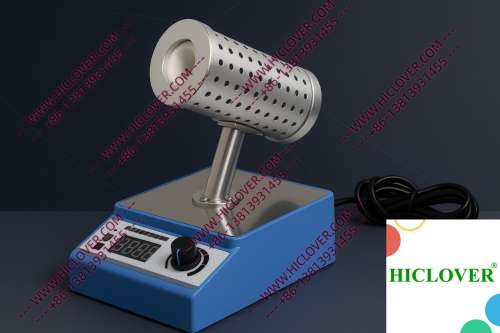
The Micro Incinerator operates on the principle of rapid thermal sterilization. It employs high-temperature infrared heat generated within an enclosed ceramic heating chamber. Unlike traditional open flames, this method minimizes the risk of aerosol generation, ensuring a safer environment for users. The ceramic tube allows for uniform heating, reaching temperatures that efficiently eliminate microbial contaminants on inoculating tools and media.
Furthermore, this sterilization process is not only efficient but also eco-friendly, using less energy when compared to traditional methods.
Applications in Real Laboratory Settings
1. Laboratory Biosafety Cabinets
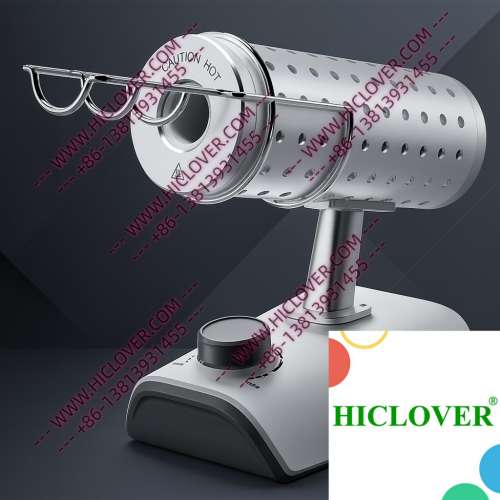
In BSL-2 and BSL-3 microbiology labs, maintaining biosafety is critical. The Micro Incinerator is ideal for use within biosafety cabinets, allowing researchers to sterilize tools immediately after use without altering the clean air environment. This compact sterilizer can be integrated seamlessly into the workflow, providing quick and effective sterilization without the risks associated with flames.
2. Teaching Labs
In university settings, particularly within microbiology and biological engineering programs, the Micro Incinerator serves as a safe teaching tool. Instructors can guide students on the importance of aseptic techniques while utilizing modern technology that ensures safe handling and sterilization without exposing them to fire risks.
Biosafety Compliance and Environmental Standards
Compliance with established biosafety standards is non-negotiable in laboratory environments. Organizations like the WHO emphasize the need for robust sterilization processes to prevent contamination during microbial work. Traditional flame methods can release aerosols that contaminate the workspace, posing risks of infection and inaccuracies in experiments. Moreover, in clean rooms and sterile manufacturing environments, the absence of flame is crucial to uphold air purity and safety. The Micro Incinerator perfectly aligns with these stringent regulations, offering a clean, safe solution for today’s laboratories.
Comparison: Micro Incinerator vs. Traditional Flame Sterilizers
| Feature | Micro Incinerator | Traditional Flame Sterilizers |
|---|---|---|
| Heat Source | Infrared heat; high-temperature | Open flame |
| Energy Efficiency | Low energy consumption | High energy consumption |
| Contamination Control | Aerosol-free handling | Possible aerosol generation |
| Use Environment | Clean rooms, BSL labs, field testing | General lab settings |
| Safety | Reduced risk of burns and ignition | Inherent fire risk |
Frequently Asked Questions
- What makes the Micro Incinerator safer than flame sterilizers?
The Micro Incinerator produces infrared heat in a contained environment, eliminating the risks of burns and fire hazards associated with flame sterilizers.
- Can the Micro Incinerator be used in field testing?
Yes, its compact design and efficient sterilization capabilities make it suitable for use in mobile or field testing labs.
- How does the Micro Incinerator comply with WHO biosafety standards?
By minimizing aerosol generation and ensuring fast and effective sterilization, the Micro Incinerator adheres to established biosafety protocols.
- Is the Micro Incinerator eco-friendly?
Yes, it uses less energy compared to traditional flame methods, making it a more environmentally friendly option for sterilization.
- What types of labs can benefit from using a Micro Incinerator?
Microbiology labs, clinical diagnostics, university teaching labs, and even field testing environments can effectively utilize this sterilizer.
Conclusion
As laboratories continue to advance in both capabilities and compliance requirements, the need for superior sterilization equipment grows ever more pressing. The Micro Incinerator / Infrared Inoculating Loop Sterilizer represents a significant evolution in laboratory sterilization technology. Offering rapid thermal sterilization, contamination control, and eco-friendly operation, it stands as a superior alternative to traditional flame techniques. Enhance your laboratory’s biosafety processes today; contact us for more information on how to procure the Micro Incinerator and elevate your sterilization practices.
Categories:
Tags: