
Laboratories face continuous challenges when it comes to ensuring biosafety and maintaining sterile conditions. Effective sterilization is critical in preventing contamination, especially in sensitive environments like BSL-2 and BSL-3 microbiology labs. Traditional methods, such as alcohol lamps and Bunsen burners, are often insufficient for today’s demands for rapid thermal sterilization and contamination control. Enter the micro incinerator, a cutting-edge piece of laboratory sterilization equipment designed to meet these challenges head-on.
Understanding the Technical Principles of Micro Incinerators
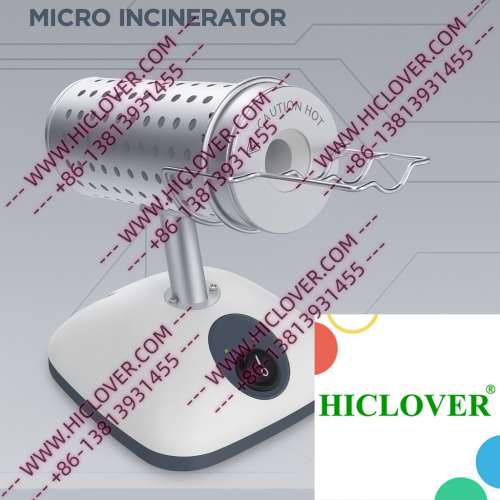
The Micro Incinerator, also known as the Infrared Inoculating Loop Sterilizer, utilizes infrared heat to achieve rapid disinfection. Its core design features an enclosed ceramic tube that provides a clean and safe environment for sterilization. The infrared heating element reaches high temperatures swiftly, allowing for effective sterilization within seconds. This not only minimizes contamination risk but also enhances workflow efficiency, making it a vital component for any modern laboratory.
Applications of Micro Incinerators in Laboratories
Micro incinerators are suitable for a variety of laboratory settings, demonstrating their versatility and reliability. Here are two specific application scenarios:
1. Biosafety Cabinets
In biosafety cabinets where maintaining a sterile environment is crucial, the micro incinerator excels. With a clean-bench-safe design, it allows researchers to sterilize inoculating loops and other instruments without the risk of aerosol contamination, which is often a concern with flame-based sterilizers. This is essential for ensuring spore and pathogen containment during microbiological techniques, making it a staple in BSL-2 and BSL-3 labs.
2. Teaching Laboratories
In academic settings, such as university teaching labs, micro incinerators serve an educational purpose. They familiarize students with modern sterilization techniques and promote safety. Utilizing infrared technology helps to prevent accidents commonly associated with traditional flame sterilizers, ensuring a safer learning environment for students while they acquire essential laboratory skills.
Compliance and Environmental Considerations
Maintaining biosafety is not just about following best practices; it’s also about adhering to regulations. Compliance with guidelines from the World Health Organization (WHO) regarding laboratory sterilization standards is non-negotiable. Micro incinerators operate with no flame, reducing the risk of ignition in clean rooms and adhering to stricter safety protocols. Their use not only complies with biosafety regulations but also contributes to a cleaner laboratory environment, minimizing waste and energy consumption compared to traditional methods.
Micro Incinerator vs. Traditional Flame Sterilizers
| Feature | Micro Incinerator | Traditional Flame Sterilizers |
|---|---|---|
| Heat Source | Infrared | Flame (Bunsen burner, alcohol lamp) |
| Sterilization Time | Seconds | Variable (depends on experience) |
| Contamination Control | Aerosol-free | Higher risk of aerosol |
| Safety | Safe for clean areas | Flame hazards |
| Efficiency | High | Variable |
Frequently Asked Questions
- What is the main advantage of using a micro incinerator over a flame sterilizer?
The main advantage lies in its rapid sterilization capability, compliant operation in clean areas, and reduced risk of aerosol contamination. - Can a micro incinerator be used in clinical diagnostics?
Yes, micro incinerators are ideal for clinical settings due to their clean and efficient sterilization process. - Is the use of micro incinerators compliant with WHO guidelines?
Absolutely, micro incinerators adhere to stringent biosafety standards set forth by WHO, making them suitable for regulated laboratory environments. - How does the cost of a micro incinerator compare to traditional flame sterilizers?
While the initial investment may be higher, the long-term savings on safety and efficiency justify the cost. - What maintenance is required for a micro incinerator?
Micro incinerators typically require minimal maintenance, with periodic checks on the heating element and overall functionality to ensure optimal performance.
Conclusion
In the dynamic landscape of modern laboratories, the demands for effective and safe sterilization are more pronounced than ever. The Micro Incinerator / Infrared Inoculating Loop Sterilizer addresses these needs efficiently, providing a tool that enhances biosafety and workflow while minimizing environmental impact. If your laboratory seeks to improve its sterilization processes and ensure compliance with critical standards, consider investing in micro incinerators today. For more information on purchasing, please reach out to our sales team.
Categories:
Tags: