
In laboratory settings throughout Saudi Arabia, maintaining strict biosafety protocols is crucial. The challenge of contamination control presents continual demands for effective sterilization workflows. As laboratories strive to meet these requirements, innovative solutions such as micro incinerator technologies have emerged, offering enhanced capabilities for sterilization and waste disposal.
Understanding Micro Incinerator Technology
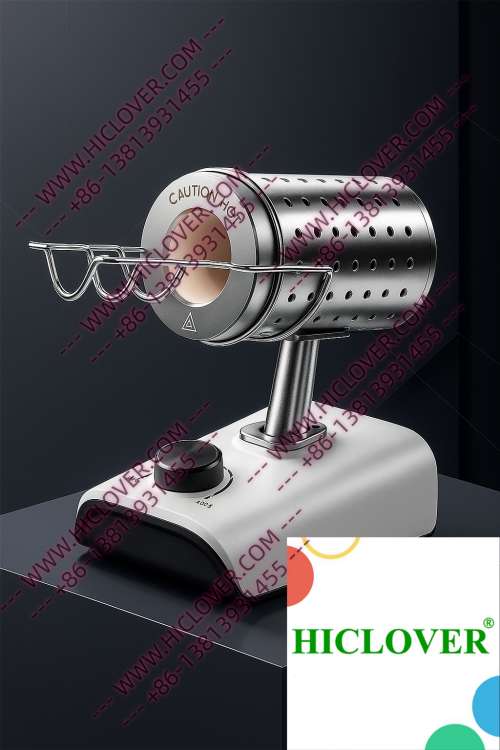
The Micro Incinerator, particularly the Infrared Inoculating Loop Sterilizer, operates on the principle of rapid thermal sterilization using infrared heat. This advanced technology utilizes an enclosed ceramic tube that reaches high temperatures, capable of disinfecting inoculating loops and other small implements efficiently and safely.
- Efficient Heat Transfer: Infrared radiation quickly raises the temperature of the ceramic tube, allowing for instant sterilization.
- Compact Design: Ideal for laboratories with limited space, the micro incinerator’s small footprint does not compromise its powerful capabilities.
- Environmentally Friendly: By converting waste into energy, micro incinerators align with green initiatives while adhering to safety standards.
Laboratory Applications
The versatility of micro incinerators allows them to serve various laboratory environments, including:
1. University Teaching Labs
In educational institutions, such as those in Riyadh or Jeddah, the Micro Incinerator enhances the teaching environment by ensuring a safe workspace. Students learning about microbiology and experimental techniques can safely sterilize their tools without the hazards associated with traditional flame sterilizers. The absence of open flames significantly reduces the risk of combustion in labs where volatile materials might be present.
2. Mobile or Field Testing Labs
Field laboratories, particularly in remote regions for clinical diagnostics, benefit from the micro incinerator’s portability and efficiency. Used for rapid sterilization, these units ensure that sampling and testing can occur without contamination, which is vital for environmental studies or biological assessments. By minimizing the reliance on external power sources, they provide uninterrupted operations in diverse conditions.
Compliance and Environmental Standards
Complying with international biosafety standards is imperative in laboratory settings. The World Health Organization emphasizes stringent biosafety protocols to protect both personnel and the environment. The Micro Incinerator meets or exceeds these standards, particularly in BSL-2 and BSL-3 laboratories that require strict contamination control.
Moreover, using a micro incinerator promotes adherence to clean room specifications, eliminating the need for open flames in areas sensitive to contamination. This is particularly important in sterile environments such as cell culture and pharmaceutical manufacturing, where traditional flame sterilizers like alcohol lamps or Bunsen burners could introduce aerosols and particulate matter.
Advantages Over Traditional Flame Sterilizers
| Feature | Micro Incinerator | Flame Sterilizer |
|---|---|---|
| Sterilization Method | Infrared thermal sterilization | Open flame |
| Safety | Flame-free operation | Hazard of fire and burns |
| Ceramic Heating | High thermal efficiency | Variable heating |
| Clean Room Compatibility | Yes | No |
| Contamination Control | Aerosol-free | Risk of combustion debris |
Frequently Asked Questions
- What makes micro incinerators more efficient than traditional sterilizers?
Micro incinerators utilize infrared technology for rapid thermal sterilization, producing zero open flame and ensuring a clean working environment. - Can micro incinerators be used in field testing environments?
Absolutely! Their portable design makes them well-suited for mobile field labs where quick sterilization is crucial. - Are micro incinerators compliant with WHO biosafety standards?
Yes, micro incinerators meet strict international biosafety standards, making them suitable for use in various laboratory classifications, including BSL-2 and BSL-3. - How do micro incinerators contribute to environmental sustainability?
By converting biological waste into energy, micro incinerators provide an environmentally friendly approach to waste disposal. - Is there a maintenance requirement for micro incinerators?
Routine inspection and occasional cleaning of the ceramic tube are recommended to maintain optimal performance.
Conclusion
Micro incinerator technologies represent a significant advancement in laboratory sterilization, particularly within Saudi Arabia’s growing research and healthcare sectors. By addressing standard compliance and offering a safe, effective alternative to flame sterilizers, these devices enhance sterilization workflows across various applications—from educational settings to critical field testing labs.
For laboratories aiming to improve their sterilization procedures while meeting biosafety standards, investing in a Micro Incinerator / Infrared Inoculating Loop Sterilizer is a prudent decision. To learn more about how these technologies can benefit your laboratory, feel free to reach out to us for detailed product information and sourcing options.
Categories:
Tags: