
In the world of laboratory operations, biosafety is a paramount concern. Traditional sterilization methods often involve flames, such as Bunsen burners or alcohol lamps, which can pose various risks including uncontrolled fire hazards, air contamination, and inefficiencies in rapid sterilization. As laboratory workflows become more complex and demanding, the need for innovative flame-free sterilization solutions, like the Micro Incinerator or Infrared Inoculating Loop Sterilizer, is more urgent than ever.
The Technological Edge: How the Micro Incinerator Works
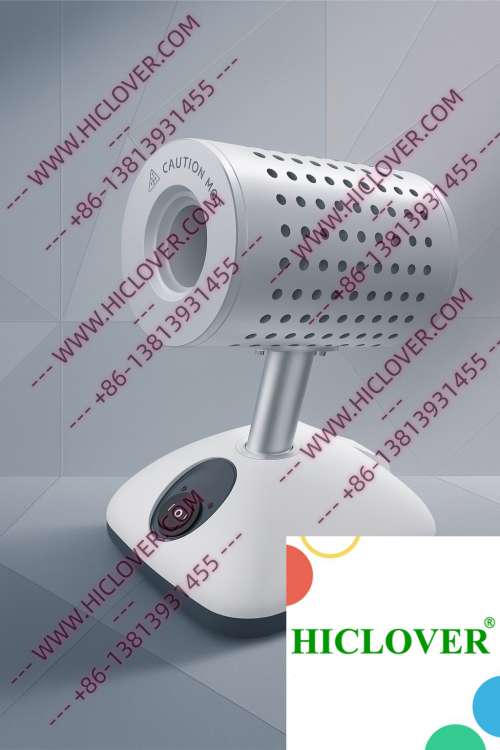
The Micro Incinerator operates on the principle of infrared heat within an enclosed ceramic tube. This setup provides rapid thermal sterilization while ensuring aerosol-free handling. Unlike traditional flame sterilizers, which can introduce contaminants or create a hazardous environment, the Micro Incinerator protects the integrity of the laboratory atmosphere. Its design allows for precise heating, reaching temperatures required for high-temperature disinfection quickly and uniformly.
- Rapid sterilization: Restores equipment efficiency in busy lab workflows.
- Aerosol-free: Minimizes contamination risks, crucial in BSL-2 and BSL-3 labs.
- Compact design: Easy to integrate into existing lab spaces such as biosafety cabinets or teaching labs.
- Energy-efficient: Reduces operational costs compared to traditional sterilizers.
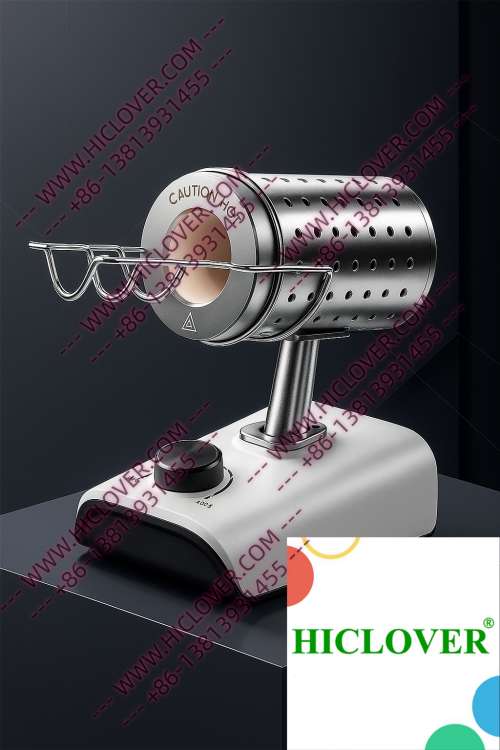
Application Scenarios in Real Laboratories
Biosafety Cabinet Usage
In labs where maintaining a sterile environment is critical, such as clinical diagnostics and microbiology research, the Micro Incinerator can be utilized inside biosafety cabinets. Here, researchers can safely sterilize inoculating loops and other tools without risking contamination. The enclosed design of the Micro Incinerator prevents the escape of harmful aerosols, ensuring that the biosafety levels remain uncompromised.
Field Testing Laboratories
For mobile or field testing labs, the Micro Incinerator offers a portable and efficient solution to sterilization needs. When conducting experiments outside traditional lab environments, users benefit from the lightweight and robust design of the Micro Incinerator. The ability to operate without flames means that the sterilization process can occur in close proximity to sensitive biological samples without the fear of introducing fire hazards.
Compliance with Biosafety Standards
Adhering to stringent biosafety regulations set out by organizations like the World Health Organization (WHO) and local health authorities is vital for laboratory operations. Traditional flame sterilizers may not meet the modern safety standards required in clean environments. The Micro Incinerator fulfills these requirements, providing a safe method for sterilization while complying with laboratory sterilization standards.
“Ensuring safety and compliance is crucial in BSL-2 and BSL-3 microbiology labs. Micro Incinerators aid labs in adhering to biosafety protocols while enhancing workflow efficiency.”
Advantages Over Traditional Flame Sterilizers
| Feature | Micro Incinerator | Flame Burners |
|---|---|---|
| Safety | No flame risk; enclosed design | Fire hazard; requires careful handling |
| Contamination Control | Aerosol-free sterilization | Can release aerosols during use |
| Speed of Sterilization | Rapid thermal effects | Slower, requires practice |
| Energy Consumption | Low energy use | Potentially high energy consumption |
Frequently Asked Questions
1. How does the Micro Incinerator improve lab safety?
The Micro Incinerator eliminates the risks associated with open flames. Its encapsulated design prevents accidents related to fire and enables aerosol-free sterilization, significantly improving laboratory safety protocols.
2. What types of labs can benefit from using an Infrared Inoculating Loop Sterilizer?
All laboratories that require high standards of sterilization, including clinical diagnostics, teaching labs in universities, and BSL-2/BSL-3 microbiology labs, can benefit from this device.
3. How quickly can the Micro Incinerator achieve sterilization?
The Micro Incinerator reaches the necessary high temperatures for effective sterilization in a matter of seconds, allowing for rapid turnaround during lab workflows.
4. Is the Micro Incinerator environmentally friendly?
Yes, the Micro Incinerator is designed to be energy-efficient, consuming less power than traditional flame sterilizers, thus reducing its environmental impact.
5. Can the Micro Incinerator be used in field settings?
Absolutely! The portable design makes it a perfect tool for field testing laboratories, allowing for safe and efficient sterilization even in remote locations.
Conclusion
The Micro Incinerator / Infrared Inoculating Loop Sterilizer is a remarkable advancement in laboratory sterilization technology. As labs evolve and biosafety challenges become more pronounced, adopting flame-free solutions ensures a safer and more effective sterilization process. For those looking to enhance their laboratory efficiency and safety standards, investing in a Micro Incinerator is not just recommended—it’s essential. Contact us today to explore this innovative solution further!
Categories:
Tags: