
In modern laboratory environments, the demand for effective biosafety measures and sterilization workflows has never been more critical. Laboratories face numerous challenges—contaminating pathogens, the risk of aerosol transmission, and the need for rapid thermal sterilization. As laboratory professionals seek to enhance their safety protocols, innovations like the Micro Incinerator or Infrared Inoculating Loop Sterilizer are becoming indispensable. This article explores the developmental journey of loop sterilizers in Sweden, focusing on their technological advantages, application scenarios, compliance standards, and the future of laboratory sterilization equipment.
Understanding the Technical Principles
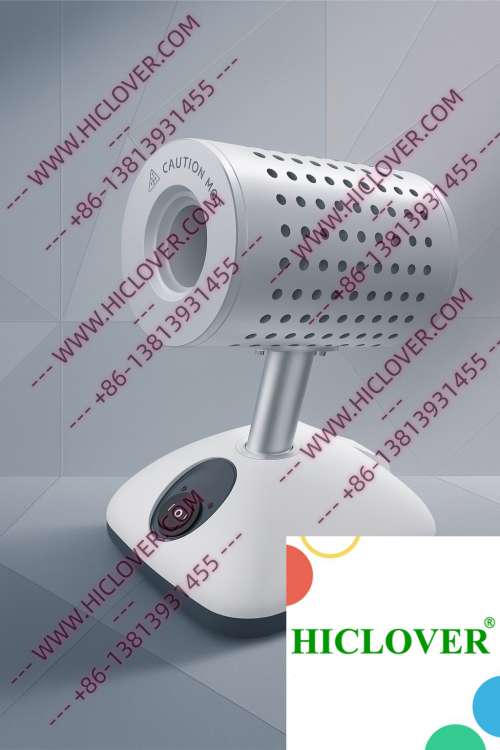
The Micro Incinerator operates using advanced infrared heating technology that offers significant improvements over traditional flame sterilizers like alcohol lamps and Bunsen burners. Its enclosed ceramic tube design ensures maximum heat retention, providing efficient sterilization while reducing the potential for aerosol contamination. Infrared high-temperature disinfection reaches temperatures upwards of 800°C, enabling rapid thermal sterilization of inoculating loops, needles, and other lab instruments. This design is not only clean-bench-safe but also minimizes the risk of open flames in sensitive environments, such as clean rooms.
Why Opt for Micro Incinerators Over Traditional Methods?
Advantages:
- Faster sterilization cycles
- Enhanced safety with no open flames
- Reduced risk of aerosol generation
- Low energy consumption compared to flame sterilizers
- Consistent temperature control
Real-World Applications of Micro Incinerators
1. Utilization in BSL-2 and BSL-3 Microbiology Labs
In BSL-2 and BSL-3 environments, strict adherence to biosafety protocols is paramount. The Micro Incinerator allows researchers to maintain a controlled environment by sterilizing tools without introducing open flames or aerosols. In these labs, contamination control is critical, especially when working with potentially hazardous pathogens. The incorporation of the Micro Incinerator into procedural workflows significantly enhances safety and efficiency, allowing researchers to focus on critical tasks without the worries associated with traditional flame methods.
2. Teaching Laboratories in Universities
In educational settings, particularly in university teaching labs, students often utilize inoculating loops for microbiology experiments. The Micro Incinerator’s user-friendly design simplifies the learning curve for students. With rapid sterilization, students can conduct experiments more efficiently—learning the principles of microbiology while minimizing risks associated with conventional sterilization methods. This technology not only improves the educational experience but also instills safety practices that future researchers will carry into their careers.
Compliance and Environmental Standards
Adhering to WHO biosafety guidelines and laboratory sterilization standards is essential for any laboratory. The Micro Incinerator is compliant with internationally recognized standards, providing both safety and reliability in laboratory settings. The use of these sterilizers eliminates the need for flame in clean rooms, drastically reducing the risk of contamination. Furthermore, they contribute to energy efficiency by utilizing less power than traditional flame burners, aligning with sustainable practices.
Does the Micro Incinerator Meet Biosafety Standards?
Yes, it meets biosafety standards set by WHO and various national regulations. Its design accommodates the careful handling of pathogens, making it suitable for high containment labs.
FAQs About Micro Incinerators
- How does an infrared inoculating loop sterilizer differ from traditional methods?
Infrared sterilizers operate at higher temperatures without an open flame, reducing the risk of contamination and improving efficiency. - What materials can be sterilized using a Micro Incinerator?
This device is designed for sterilizing inoculating loops, needles, and other laboratory instruments that can withstand high temperatures. - Is a Micro Incinerator suitable for field testing applications?
Yes, its portable design and rapid sterilization capabilities make it ideal for mobile labs and field testing scenarios. - How energy-efficient is the Micro Incinerator compared to traditional flame sterilizers?
It consumes less energy, making it a cost-effective option for laboratories while maintaining high sterilization standards. - Can it be used in anaerobic chambers?
Yes, it provides an effective sterilization solution without exposing sensitive environments to open flames.
Comparison Table: Micro Incinerator vs. Traditional Flame Burners
| Feature | Micro Incinerator | Flame Burners |
|---|---|---|
| Operation Method | Infrared Heat | Open Flame |
| Temperature Control | Consistent | Variable |
| Risk of Contamination | Low | High |
| Aerosol Production | Aerosol-Free | Aerosol Risk |
| Energy Consumption | Low | High |
Conclusion
The evolution of sterilization equipment, particularly the Micro Incinerator, has redefined safety and efficiency in laboratory settings, from clinical diagnostics to teaching labs. By adopting modern sterilization technologies, laboratories can ensure compliance with global biosafety standards while dramatically improving workflow efficiency. For those interested in investing in this revolutionary product, contact us today to learn more about how the Micro Incinerator can transform your laboratory’s sterilization processes.
Categories:
Tags: