
In the fast-paced environment of PCR (Polymerase Chain Reaction) laboratories, maintaining strict biosafety standards is critical. The presence of contamination can significantly compromise experimental outcomes and lead to erroneous results, putting research endeavors at risk. To uphold the integrity of samples and experimental data, laboratories are increasingly adopting advanced sterilization solutions such as Micro Incinerators, or Infrared Inoculating Loop Sterilizers. These devices provide rapid thermal sterilization capabilities that are particularly suited for laboratories focused on molecular biology, clinical diagnostics, and microbiology.
Technical Principles of Micro Incinerators
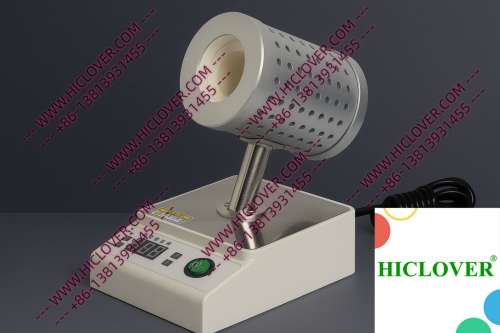
Micro Incinerators operate on the principle of infrared high-temperature disinfection, harnessing the power of focused thermal energy to eliminate microbial contamination without the use of an open flame. A noteworthy feature of these devices is their enclosed ceramic heating chamber, which offers several advantages:
- Clean-bench-safe: The lack of an open flame reduces the risk of contaminating clean workspaces, making them ideal for use inside biosafety cabinets.
- Aerosol-free handling: Micro Incinerators prevent the creation of aerosols, which are often a source of contamination with conventional flame sterilizers.
- Rapid thermal sterilization: Infrared technology allows for quick heating and cooling, facilitating efficient workflow in a demanding lab environment.
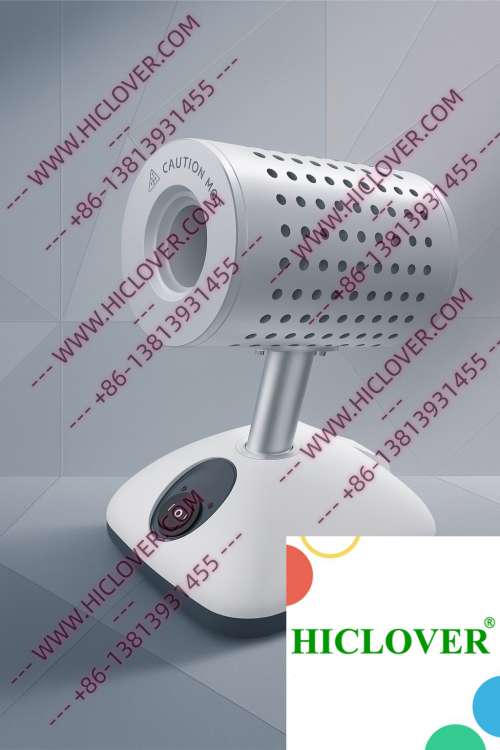
These features position Micro Incinerators as reliable alternatives to traditional flame sterilizers like alcohol lamps and Bunsen burners, especially in settings where safety and compliance are paramount.
Practical Application Scenarios
To understand the efficacy of Micro Incinerators, consider two distinct laboratory scenarios:
1. Biosafety Cabinets in Microbiology Labs
In BSL-2 and BSL-3 microbiology labs, where handling pathogenic organisms is routine, maintaining a sterile environment is indispensable. Researchers often utilize Micro Incinerators within biosafety cabinets to sterilize inoculating loops and other instruments without compromising the laminar flow of the cabinet. This ensures that samples are not exposed to ambient pathogens, allowing for valid experimental results.
2. Field Testing in Remote Locations
Field testing labs, often situated in remote or challenging environments, pose unique sterilization challenges. In such settings, portability and reliability are crucial. The Micro Incinerator’s compact size and efficient sterilization mechanism make it an optimal choice for researchers sampling in the field. It facilitates quick sterilization of tools with minimal setup, eliminating the need for bulky gas supplies or flammable liquids.
Compliance and Environmental Standards
Adhering to international laboratory standards is non-negotiable in modern research practices. The World Health Organization (WHO) has established biosafety guidelines that many laboratories must follow to ensure the safety of personnel and the environment. Here are some compliance standards relevant to laboratory sterilization:
- WHO Biosafety Guidelines: These emphasize the use of sterilization equipment to prevent exposure to biological agents.
- Lab Sterilization Standards: Guidelines recommend using reliable sterilization methods, minimizing the risk of cross-contamination.
- No Flame Zones in Clean Rooms: Open flames are often restricted in clean rooms to avoid contamination; therefore, infrared sterilization provides a safe alternative.
The trend toward environmentally friendly sterilization methods is also growing. Micro Incinerators provide efficient sterilization without contributing to hazardous emissions associated with combustible fuels.
Advantages Over Traditional Flame Sterilizers
When compared to traditional sterilization methods, Micro Incinerators exhibit several notable advantages:
| Feature | Micro Incinerator | Flame Burners |
|---|---|---|
| Safety | No open flame | Combustible risk |
| Efficiency | Rapid sterilization | Time-consuming |
| Contamination Control | Aerosol-free | Aerosol generation |
| Usability | Compact and portable | Bulkier and requires gas |
Frequently Asked Questions
What is the maximum temperature that a Micro Incinerator can reach?
The Micro Incinerator typically reaches temperatures of over 800°C, allowing for effective sterilization of laboratory tools.
Are Micro Incinerators safe to use in enclosed spaces?
Yes, Micro Incinerators are designed for safe use in enclosed environments, including without open flames, making them suitable for biosafety cabinets.
How long does it take for a Micro Incinerator to sterilize an inoculating loop?
Sterilization time is rapid, typically taking just a few seconds to achieve proper disinfection.
Can Micro Incinerators be used for other laboratory instruments?
Absolutely! They are versatile and can be used to sterilize various scientific instruments, such as scissors and forceps, along with inoculating loops.
Is the Micro Incinerator environmentally friendly?
Yes, it operates without the need for combustible fuels, reducing hazardous emissions and minimizing environmental impact.
Conclusion
In conclusion, the use of Micro Incinerators or Infrared Inoculating Loop Sterilizers stands as a testament to modern laboratory sterilization technology, providing effective, safe, and compliant solutions for controlling contamination. By selecting advanced sterilization equipment, laboratories not only improve safety and efficiency but also enhance the accuracy and reliability of their research outcomes. For further information on procurements and specifications tailored to your laboratory’s needs, please reach out to us. Don’t hesitate to elevate your lab’s sterilization practices today!
Categories:
Tags: