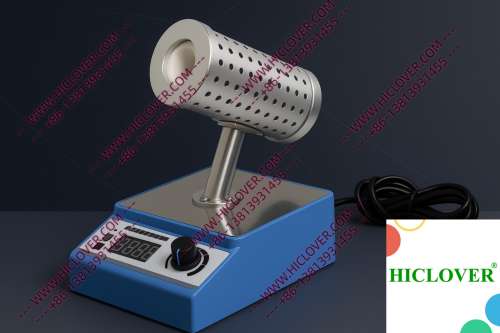
Laboratory environments often present unique biosafety challenges, especially when it comes to sterilization processes. The importance of effective laboratory sterilization equipment cannot be overstated; it is critical for maintaining contamination control, ensuring accurate results, and safeguarding both personnel and research materials. In this quest for effective sterilization, the Micro Incinerator, or Infrared Inoculating Loop Sterilizer, emerges as a revolutionary tool that addresses many of these challenges.
Understanding the Technical Principles of the Micro Incinerator
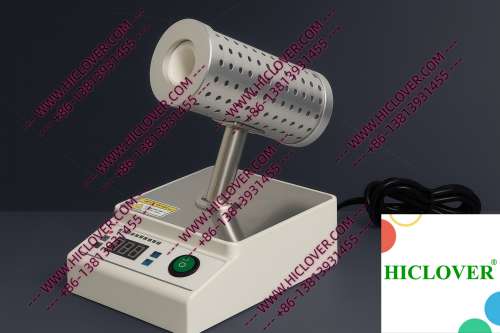
The Micro Incinerator operates on the principle of rapid thermal sterilization using infrared heat. Unlike traditional flame sterilizers such as alcohol lamps or Bunsen burners, which produce open flames, the Micro Incinerator provides a safe and efficient means of sterilization. It features an enclosed ceramic heating chamber that emits consistent high temperatures necessary for effective disinfection.
This innovative design ensures that the sterilization is aerosol-free, providing a clean-bench-safe environment crucial for sensitive laboratory operations. Micro Incinerators can achieve temperatures exceeding 800°C almost instantaneously, rendering any microbial life on inoculating loops and other instruments harmless within seconds.
Real-World Applications in Laboratory Settings
1. Use in BSL-2 and BSL-3 Microbiology Labs
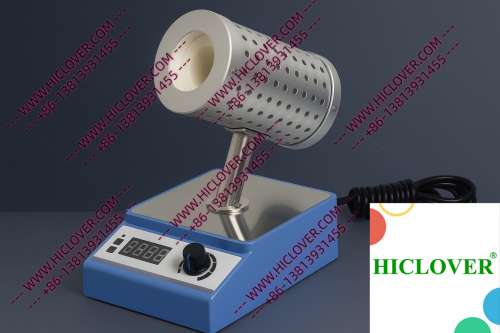
Biosafety Level (BSL) 2 and BSL-3 labs are often engaged in handling pathogenic organisms that pose substantial risks. In such environments, maintaining strict sterilization protocols is paramount. The use of Micro Incinerators ensures that tools such as inoculating loops or forceps can be sterilized on demand with minimal risk of contamination, making them essential for researchers who must comply with stringent lab safety standards.
2. Teaching Laboratories: Safety Meets Education
In academic settings, particularly university teaching labs, the Micro Incinerator proves invaluable. As students engage in microbial culture techniques, the need for safe, effective sterilization becomes critical. The ease of use of micro-incinerators allows students to focus on learning rather than managing open flames, decreasing the risk of accidents and enhancing the overall learning experience. Furthermore, the compact design ensures it can fit easily within the confines of classroom lab setups.
Compliance and Environment Considerations
Adhering to biosafety regulations is not only crucial for operational efficiency but also for the well-being of laboratory personnel. The World Health Organization (WHO) outlines various biosafety standards that laboratories must meet, emphasizing the importance of minimizing exposure to hazardous biological agents. Utilizing Micro Incinerators helps labs comply with these guidelines by eliminating open flames and effectively managing heat sterilization.
- Flame-Free Operation: Ideal for clean rooms where any open flames could pose contamination risks.
- Advanced Thermal Disinfection: Meets rigorous lab sterilization standards without the downside of additional aerosols.
- Safety Protocols: Supports lab environments that prioritize personnel safety while maintaining operational integrity.
Micro Incinerator vs. Traditional Flame Sterilizers
| Feature | Micro Incinerator | Flame Sterilizers |
|---|---|---|
| Temperature Control | Precise infrared heat | Variable, often hard to control |
| Safety | No open flame | Risk of burns and fires |
| Speed | Immediate heating | Requires time to establish flame |
| Portability | Lightweight and compact | Bulkier and less versatile |
| Usability | Easy to operate with minimal training | Involves safety hazards for inexperienced users |
Frequently Asked Questions
- What types of laboratories benefit from using a Micro Incinerator?
Micro Incinerators are highly beneficial for BSL-2 and BSL-3 microbiology labs, as well as university teaching labs and field testing environments. - Are Micro Incinerators environmentally friendly?
Yes, they reduce contamination risks and comply with WHO biosafety standards by eliminating the need for open flames. - How does the Micro Incinerator ensure rapid thermal sterilization?
It utilizes infrared technology to achieve high temperatures within seconds, ensuring effective disinfection of tools. - What are the advantages of using a Micro Incinerator over traditional flame sterilizers?
The benefits include enhanced safety, precise temperature control, faster operation, and reduced risk of contamination. - Can Micro Incinerators be used in cleanrooms?
Absolutely! Their flame-free operation allows safe use in cleanroom environments where contamination must be minimized.
Conclusion
In the demanding landscape of laboratory biosafety, the Micro Incinerator represents an essential advancement in sterilization technology. With its superior design and operational capabilities, it offers a significant edge over traditional flame sterilizers, facilitating enhanced safety and efficiency in laboratory workflows. Whether in clinical diagnostics, university settings, or specialized BSL environments, investing in a Micro Incinerator is a step towards ensuring both personnel safety and compliance with stringent sterilization standards.
If you’re interested in elevating your laboratory’s sterilization practices, do not hesitate to reach out for more information about our range of Micro Incinerators. Transform your laboratory experience today.
Categories:
Tags: