
In the modern laboratory environment, ensuring biosafety and preventing contamination is paramount, especially in settings like BSL-2 and BSL-3 microbiology labs. Researchers face a myriad of challenges in achieving effective sterilization workflows while adhering to stringent safety protocols. Contamination can lead to compromised results, increased operational costs, and heightened health risks. As technologies advance, so does the need for more efficient and safe sterilization methods, making the Micro Incinerator or Infrared Inoculating Loop Sterilizer an invaluable tool in both routine and specialized laboratory settings.
Understanding the Micro Incinerator: Technical Principles
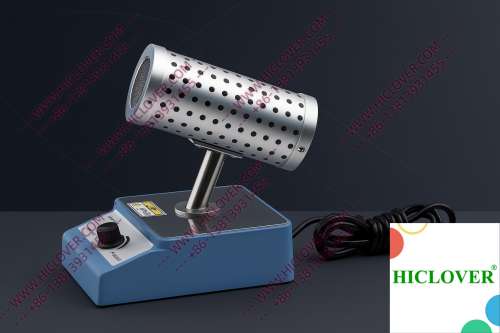
The Micro Incinerator employs infrared heat to provide an innovative approach to sterilization. This compact device features a ceramic heating chamber that reaches high temperatures swiftly, delivering rapid thermal sterilization without the need for an open flame. Its enclosed design eliminates the risk of aerosol production, which is critical in maintaining a contaminant-free environment. The infrared technology not only enhances the efficiency of sterilization but also contributes to a cleaner working space by preventing the release of particles into the air.
Advantages Over Traditional Flame Sterilizers
- Safety: No open flame reduces the risk of fire hazards.
- Speed: Rapid thermal action enables quick sterilization cycles.
- Environmental Control: Essential for clean rooms and biosafety cabinets, minimizing aerosol risk.
- Cost-effectiveness: Reduced energy consumption compared to traditional flame methods.
Applications in Real Laboratories
Micro Incinerators are versatile pieces of equipment found across various laboratory settings. Here are two notable application scenarios:
Field Testing Labs
In remote areas, field testing labs often lack access to traditional sterilization equipment. The portable nature and reliability of the Micro Incinerator make it the go-to choice for on-site sterilization of inoculating loops and other tools. Its rapid sterilization capability ensures that researchers can maintain high standards of biosafety regardless of their location.
University Teaching Labs
In educational settings, proper sterilization techniques are critical for teaching laboratory skills and safety compliance. Incorporating Micro Incinerators into university teaching labs allows students to learn vital sterilization protocols without the hazards associated with alcohol lamps or Bunsen burners. This not only fosters a safe learning atmosphere but also ensures that students are well-prepared for careers in health and science.
Compliance and Environmental Safety
Globally recognized organizations like the WHO are setting increasingly strict standards for laboratory biosafety. Compliance with lab sterilization standards is crucial for any facility aiming to maintain accreditation and ensure safety. Traditional flame methods raise concerns in cleanroom environments due to their production of particulates and air contaminants. In contrast, infrared sterilization systems like the Micro Incinerator align with these standards, providing a flame-free and aerosol-free environment.
By using an enclosed design, these sterilizers prevent any potential escape of harmful contaminants, making them ideal for sensitive operations, including those within CO₂ incubators or anaerobic chambers. As facilities strive to minimize biological risks, investing in efficient sterilization equipment is not merely a best practice; it is a necessity.
Comparison Table: Micro Incinerator vs. Flame Burners
| Feature | Micro Incinerator | Flame Burners (Alcohol Lamp/Bunsen Burner) |
|---|---|---|
| Heat Source | Infrared Heat | Open Flame |
| Safety | Low risk of fire and aerosol | High risk of fire and aerosol |
| Speed of Sterilization | Rapid | Slower |
| Environmental Impact | Minimal | Higher due to smoke and particulates |
FAQs
What types of labs benefit from using a Micro Incinerator?
Micro Incinerators are ideal for BSL-2 and BSL-3 microbiology labs, clinical diagnostics facilities, teaching laboratories, and mobile field testing labs.
How does the infrared technology in the Micro Incinerator enhance safety?
The infrared technology eliminates the open flame, reducing the risk of uncontrolled ignitions and limiting aerosols generated during sterilization.
What maintenance is required for a Micro Incinerator?
Routine checks to ensure the integrity of the heating elements and cleaning of any residue post-use will maintain optimal performance.
Can it replace traditional flame sterilizers entirely?
Yes, the Micro Incinerator can effectively replace traditional flame sterilizers in most scenarios, providing greater safety and efficiency.
Is there a learning curve associated with using a Micro Incinerator?
The Micro Incinerator is user-friendly, and with basic training, most laboratory personnel will find it straightforward to operate.
Conclusion
As the push for cleanliness and safety in laboratory environments continues to escalate, understanding the critical role of sterilization equipment, particularly the Micro Incinerator/Infrared Inoculating Loop Sterilizer, is vital. Its advanced technology not only meets modern sterilization demands but also embraces the highest biosafety and environmental standards. For laboratories seeking efficient and safe solutions to contamination control, investing in such sophisticated sterilization equipment is a strategic step forward.
If you’re interested in elevating your laboratory’s sterilization capabilities with a Micro Incinerator, do not hesitate to reach out. Together, we can ensure your facility operates at the highest standards of biosafety and efficiency.
Categories:
Tags: