
In the fast-evolving landscape of laboratory work, ensuring a sterile environment is crucial for the validity of experiments and the safety of personnel. Biosafety challenges such as cross-contamination, infection control, and compliance with stringent laboratory sterilization standards highlight the need for reliable and effective sterilization equipment. Among these challenges, the introduction of mobile lab sterilization devices like the Micro Incinerator, often referred to as an Infrared Inoculating Loop Sterilizer, has transformed sterilization workflows across various laboratory settings.
The Technical Principles of Infrared Heat Sterilization
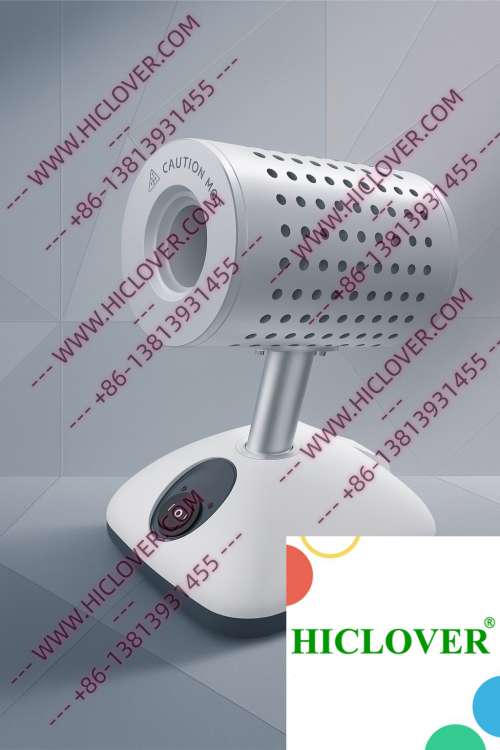
The Micro Incinerator employs infrared heat to achieve rapid thermal sterilization. Unlike traditional flame sterilizers such as alcohol lamps or Bunsen burners, which can create an unsafe working environment with open flames, the Micro Incinerator operates by using enclosed ceramic tubes powered by infrared radiation.
This design ensures high-temperature disinfection while eliminating the risks associated with flame-based equipment, such as aerosol generation and fire hazards. The ceramic heating chamber reaches temperatures that allow for effective sterilization of inoculating loops and other small tools used in laboratory procedures. As such, it not only meets biosafety compliance standards but also enhances the efficiency of sterilization workflows.
Application Scenarios in Real Labs
1. Teaching Laboratories
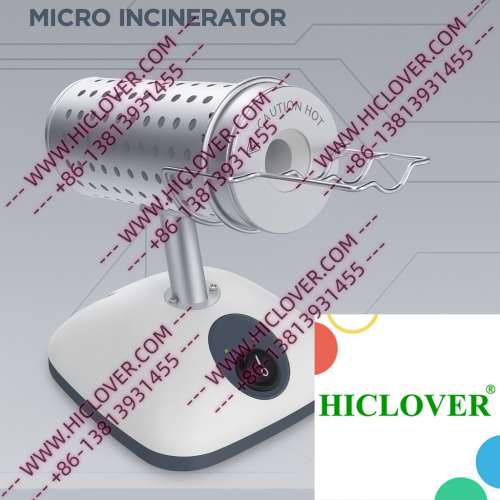
In university teaching labs, especially those engaged in microbiology and biological sciences, the Micro Incinerator has proven invaluable. Instructors can demonstrate sterile techniques without the risks associated with open flames. Students can easily handle sterilization in a controlled environment, aiding in the development of essential laboratory skills while adhering to safe practices.
2. Field Testing Applications
For mobile or field testing labs, the weight and size advantages of the Micro Incinerator make it a game-changer. Field researchers, particularly in remote or outdoor locations, rely on portable sterilization solutions that deliver quick and efficient disinfection without the need for refueling or complex setups. Lightweight and compact, the Micro Incinerator facilitates immediate biosafety compliance during sample collection and analysis, ensuring reliable results without delays.
Compliance and Environmental Considerations
As biosafety regulations continue to evolve, laboratories must align with standards set by organizations like the World Health Organization (WHO). The Micro Incinerator complements these standards effectively because it operates without flames, making it suitable for BSL-2 and BSL-3 laboratories, where contamination control is paramount. Furthermore, the absence of combustion products prevents contamination of clean rooms or sterile environments.
By reducing open flames, labs can enhance their safety measures, ensuring that personnel are not exposed to unnecessary risks while managing infectious materials or other hazardous substances.
Advantages of the Micro Incinerator Over Traditional Flame Sterilizers
| Feature | Micro Incinerator | Flame Sterilizers (Alcohol Lamps/Bunsen Burners) |
|---|---|---|
| Safety | No open flames; reduced risk of burns and contamination | Open flames; higher risk of accidents |
| Portability | Compact and lightweight; ideal for field use | Often heavier and bulkier; less portable |
| Efficiency | Rapid thermal sterilization with immediate results | Longer heating times; requires careful attention |
| Aerosol-Free | Controls aerosol generation effectively | Can produce aerosols that pose contamination risks |
| Biosafety Compliance | Meets strict biosafety standards | Not always compliant for BSL-2/BLS-3 labs |
Frequently Asked Questions
- What are the primary benefits of using a Micro Incinerator in my lab?
The Micro Incinerator offers rapid sterilization, improved safety, portability for field use, and compliance with biosafety standards without the hazards associated with flames. - Can the Micro Incinerator be used in BSL-2 and BSL-3 environments?
Yes, the Micro Incinerator is designed to meet the stringent safety and sterilization requirements of BSL-2 and BSL-3 labs. - How does the Micro Incinerator compare in cost to traditional flame sterilizers?
While the initial investment may be higher, the long-term efficiencies, reduced hazards, and compliance can lead to cost savings and enhanced productivity. - Is training required to operate the Micro Incinerator?
Familiarization with the equipment is encouraged, although its user-friendly design minimizes training requirements for effective operation. - Where can I purchase a Micro Incinerator?
Micro Incinerators can be sourced through laboratory supply distributors, specialized online retailers, and direct manufacturers. Contact us for tailored recommendations and quotations.
Conclusion
Incorporating a Micro Incinerator or Infrared Inoculating Loop Sterilizer into your laboratory workflow means significantly improving both safety and efficiency in sterilization practices. By transitioning from conventional flame sterilizers to this innovative technology, labs can address biosafety concerns while enhancing productivity. For more information about purchasing options or to discuss your specific laboratory needs, please reach out to our expert team today.
Categories:
Tags: