
In today’s demanding laboratory environments, the challenges of maintaining biosafety and effective sterilization workflows are ever-present. Laboratories, whether catering to clinical diagnostics, microbiological research, or educational training, require efficient methods to ensure complete sterilization of inoculating loops and other tools. Non-compliance with sterilization standards can lead to severe consequences, ranging from contaminated samples to unsafe laboratory environments. As such, the need for reliable sterilization equipment like the micro incinerator or infrared inoculating loop sterilizer has gained prominence.
Understanding the Micro Incinerator / Infrared Inoculating Loop Sterilizer
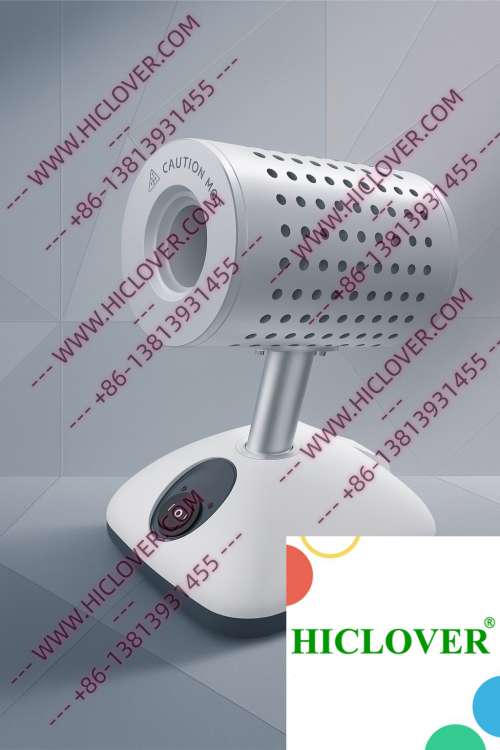
At the core of the micro incinerator’s effectiveness is its innovative technology, which utilizes infrared heat to achieve rapid thermal sterilization. Unlike traditional flame sterilizers such as Bunsen burners or alcohol lamps, this equipment employs an enclosed ceramic heating chamber that ensures even heat distribution and minimizes the risk of contamination.
- Rapid thermal sterilization: The infrared technology allows for quick heating and sterilization of inoculating loops, significantly reducing waiting times.
- Aerosol-free handling: This design helps prevent the generation of harmful aerosols during sterilization, improving the overall safety of laboratory personnel.
- Clean-bench-safe: With no open flame, the risk of drafts or disturbances in a clean bench environment is eliminated, ensuring optimal conditions for sensitive operations.
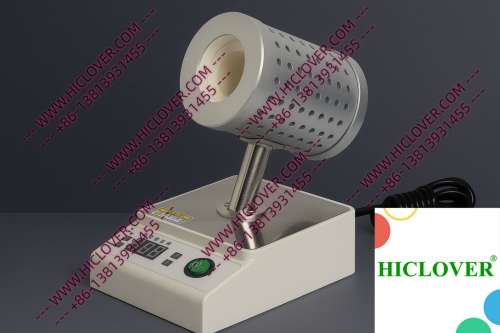
The micro incinerator is typically compact and portable, making it an ideal choice for various laboratory settings including BSL-2 and BSL-3 microbiology labs, where stringent biosafety practices are a must.
Real-World Applications of Micro Incinerators
Micro incinerators are versatile pieces of equipment, with applications across various laboratory environments. Below are two scenarios highlighting their efficient usage:
Biosafety Cabinets
In biosafety cabinets, maintaining sterile conditions is imperative. The use of a micro incinerator allows researchers to sterilize inoculating loops quickly without introducing additional contaminants that might arise from an open flame. The device’s enclosed design significantly reduces the risk of cross-contamination, making it an essential tool for laboratories working with potentially pathogenic microorganisms.
Field Testing Laboratories
Field testing often presents unique challenges, including limited resources and a need for agile operations. Utilizing a portable micro incinerator in these settings offers researchers the capability to sterilize tools quickly and efficiently, ensuring that results remain uncontaminated. This is particularly crucial in areas such as environmental monitoring or clinical diagnostics, where precision is paramount.
Compliance and Standards in Laboratory Sterilization
Adhering to global biosafety standards and regulations is vital for laboratory operations. The World Health Organization (WHO) and other governing bodies have established stringent guidelines for sterilization practices to ensure safety and effectiveness. Some key aspects of compliance include:
- Elimination of open flames in clean rooms to reduce the risk of contamination.
- Regular validation and calibration of sterilization equipment to maintain efficacy.
- Conforming to local and international laboratory sterilization standards, such as ISO and ASTM.
In regions such as Europe and North America, laboratories must comply with these critical standards to achieve accreditation and maintain operational integrity. For laboratories in Asian countries, international certifications enhance trust and credibility, particularly in healthcare and research sectors.
Comparison of Micro Incinerators vs. Traditional Flame Sterilizers
| Feature | Micro Incinerator | Flame Sterilizers |
|---|---|---|
| Heat Source | Infrared ceramic heating | Open flame |
| Contamination Control | Aerosol-free handling | Risk of aerosol generation |
| Safety | Clean-bench-safe | Open flame hazards |
| Heat Time | Rapid heating and cooling | Variable, typically slower |
| Portability | Compact and portable | Bulky, requires more setup |
Frequently Asked Questions about Micro Incinerators
1. What are the advantages of micro incinerators over traditional flame sterilizers?
Micro incinerators provide rapid thermal sterilization without the risk of flame-related accidents, reduce contamination risk, and are suitable for sensitive clean-room environments.
2. How long does it take to sterilize an inoculating loop?
The micro incinerator allows for sterilization in a matter of seconds, considerably quicker than traditional methods which may require longer deliberation and are subject to environmental factors.
3. Are there specific training requirements for using a micro incinerator?
While minimal training is necessary due to its user-friendly design, personnel should be educated in biosafety practices and proper sterilization protocols to maximize efficacy and safety.
4. How does the micro incinerator impact laboratory workflows?
By offering fast sterilization without the hazards of an open flame, micro incinerators streamline laboratory workflows, reduce downtime, and enhance overall efficiency.
5. Where can I purchase a micro incinerator?
You can contact laboratory supply distributors or manufacturers that specialize in sterilization equipment, ensuring that they meet your specific compliance standards.
Conclusion
In the landscape of laboratory sterilization, micro incinerators stand out as superior alternatives to traditional flame sterilizers. With their rapid thermal sterilization, unparalleled safety features, and compliance with stringent biosafety standards, they not only protect patients but also enhance workflow for practitioners. If you are considering upgrading your laboratory sterilization equipment or ensuring compliance in your laboratory practices, don’t hesitate to reach out for more information on micro incinerators.
Categories:
Tags: