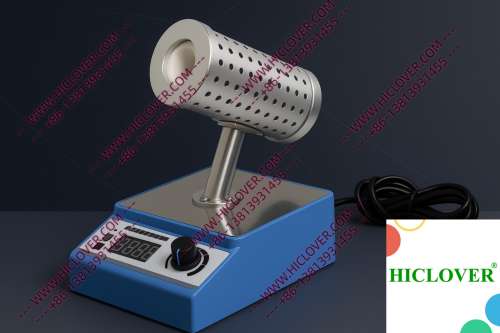
In modern veterinary clinics, addressing biosafety challenges and streamlining sterilization workflows is essential. Whether it’s the need for rapid thermal sterilization of instruments or ensuring contamination control in a clean environment, laboratories are increasingly turning to innovative solutions like the Micro Incinerator or Infrared Inoculating Loop Sterilizer. This article investigates how these devices can significantly improve laboratory practices in veterinary settings while adhering to stringent environmental and safety regulations.
Navigating Biosafety Challenges in Veterinary Laboratories
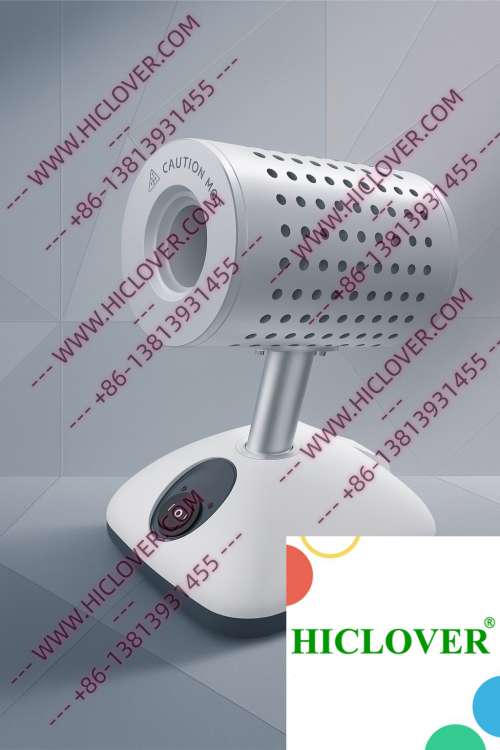
Biosafety cabinets and sterilization workflows necessitate high standards for instrument decontamination. Traditional methods, such as using alcohol lamps or Bunsen burners, pose various safety risks including open flames, potential for aerosol generation, and inefficient heat distribution. In this context, the Infrared Inoculating Loop Sterilizer steps in as a superior alternative, prioritizing both safety and efficiency. The infrared technology allows for precise temperature control, minimizing the risk of contamination while maintaining rapid sterilization cycles.
Technical Principle of the Micro Incinerator
The Micro Incinerator operates on the principle of direct infrared heat. Utilizing an enclosed ceramic tube, it generates high temperatures swiftly and uniformly, achieving sterilization in a matter of seconds. This makes it especially suitable for environments that require cleanliness and precision. The ceramic heating chamber ensures that instruments are sterilized without the addition of harmful chemicals or harmful residues, which is crucial for protecting sensitive laboratory and patient environments.
Key Benefits of the Micro Incinerator
- Rapid Cleanliness: Achieves sterilization in seconds, minimizing downtime.
- Environmentally Friendly: Reduces carbon footprint by eliminating the need for disposable sterilization supplies.
- Safe and Contamination Control: No open flames, reducing risks of swab re-contamination.
- No Residue: Unlike chemical sterilizers, it leaves no toxic residues behind.
Application Scenarios in Real Veterinary Labs
Micro Incinerators have shown excellent performance in various laboratory settings, each with their unique sterilization needs. Below are two significant application scenarios that highlight their versatility:
1. Use in Biosafety Cabinets
In a BSL-2 environment, biosafety cabinets are pivotal for involving pathogens and ensuring operator safety. The Micro Incinerator fits seamlessly in these setups, allowing for fast sterilization of inoculating loops and other lab instruments without compromising the sterile field. Its rapid heating eliminates the risk of contamination from prolonged sterilization processes typical with traditional flame methods.
2. Field Testing in Mobile Labs
Veterinary professionals conducting field tests often face the challenge of sterilizing instruments on the go. The portability and efficiency of Micro Incinerators allow on-site sterilization, crucial for reducing the risk of sample contamination in remote locations. Unlike a traditional Bunsen burner that requires a stable fuel source and exposes personnel to fire hazards, the Micro Incinerator provides a safe and effective sterilization option anywhere.
Environmental and Compliance Considerations
As veterinary clinics strive to meet WHO biosafety standards, the shift towards modern laboratory sterilization equipment becomes imperative. Laboratories must comply with local and international sterilization standards to ensure that their practices are safe, effective, and environmentally responsible.
Using Micro Incinerators aligns with these goals, as they:
- Operate in accordance with guidelines from the World Health Organization (WHO) for biosafety.
- Support environmental sustainability by reducing waste from single-use sterilization supplies.
- Ensure compliance with U.S. EPA standards regarding air quality and emission control.
Comparative Analysis: Micro Incinerator vs. Traditional Flame Sterilizers
| Feature | Micro Incinerator | Traditional Flame Sterilizers |
|---|---|---|
| Heat Source | Infrared | Open Flame |
| Speed | Rapid sterilization in seconds | Variable, often longer |
| Contamination Risk | Low | High due to soot and aerosols |
| Environmental Impact | Low emissions | Potentially harmful emissions |
Frequently Asked Questions (FAQs)
1. How does the Micro Incinerator differ from traditional sterilizers?
The Micro Incinerator uses infrared technology for rapid sterilization, minimizing contamination risk and providing a cleaner alternative compared to open flame sterilizers.
2. Is the Micro Incinerator suitable for use in BSL-3 labs?
Yes, the Micro Incinerator is safe and effective for use in BSL-3 labs, providing high-level contamination control without introducing hazardous aerosols.
3. Can I use the Micro Incinerator for different types of lab instruments?
Absolutely! The Micro Incinerator is versatile and can effectively sterilize a wide range of laboratory instruments.
4. What are the operational costs associated with using a Micro Incinerator?
Operational costs are generally lower than traditional sterilization methods, mainly due to reduced material waste and energy efficiency.
5. Is training required to operate the Micro Incinerator?
While the Micro Incinerator is user-friendly, basic training on operational safety and maintenance is recommended to ensure optimal performance.
Conclusion
As veterinary clinics and laboratories seek to enhance their biosafety protocols and sterilization practices, investing in modern technology like the Micro Incinerator becomes crucial. With its rapid thermal sterilization capability, minimal environmental impact, and compliance with stringent safety regulations, it is a revolutionary tool for any veterinary laboratory aiming for excellence in contamination control. For more information on acquiring the Micro Incinerator or to discuss your needs, please reach out today—take the first step towards transforming your laboratory’s sterilization workflow!
Categories:
Tags: