
In modern laboratories, maintaining a stringent level of biosafety while ensuring rapid and effective sterilization is crucial. Traditional flame-based sterilizers, such as alcohol lamps and Bunsen burners, often present various challenges, including the production of aerosols, the risk of fire, and the difficulty of maintaining sterile environments in clean rooms and biosafety cabinets. As a solution, many laboratories are turning to innovative alternatives, such as the Micro Incinerator or Infrared Inoculating Loop Sterilizer, to meet their sterilization needs efficiently.
Technical Principles Behind Micro Incineration Technology
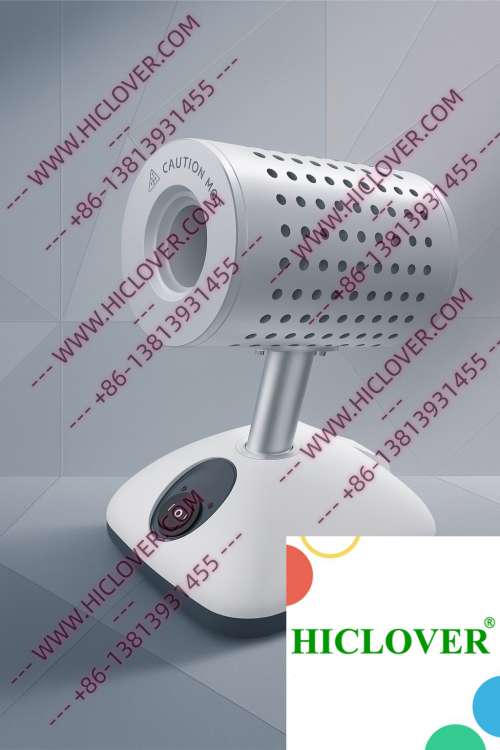
The Micro Incinerator utilizes infrared heat technology to achieve rapid thermal sterilization. It functions by absorbing heat from an enclosed ceramic heating chamber, which reaches high temperatures in a matter of seconds. This tool ensures consistent temperature control, thereby effectively disintegrating contaminants without creating harmful aerosols or flammable vapors. The sterilizer’s compact design not only makes it easy to use but also enhances its safety profile, making it ideal for various laboratory environments.
Application Scenarios in Real Laboratories
1. Utilization in Biosafety Cabinets
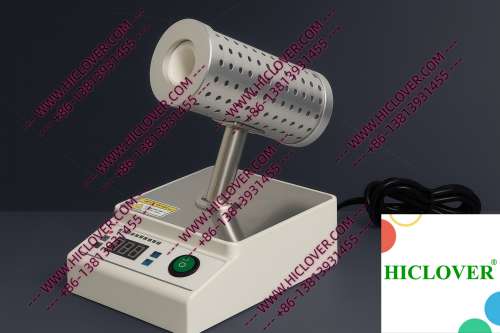
In BSL-2 and BSL-3 microbiology labs, workflows necessitate strict protocols for contamination control. The Micro Incinerator provides an efficient means to sterilize inoculating loops and tools within biosafety cabinets. With its aerosol-free handling, laboratory personnel can quickly perform inoculations with minimal risk of contaminating the sterile environment. Unlike traditional flame sterilizers, which can create draughts or disrupt airflow, infrared sterilizers maintain the integrity of the biosafety cabinet while enhancing workflow efficiency.
2. Field Testing and Mobile Labs
For field testing, where access to electrical outlets may be limited and environmental safety is a concern, the Micro Incinerator’s portability proves indispensable. It allows for proficient sterilization in diverse environmental conditions without reliance on flames that can pose hazards. Whether in microbiological surveys or clinical diagnostics in remote locations, this device enables researchers to perform essential sterilization promptly and safely, ensuring reliable results.
Compliance and Laboratory Standards
Adhering to established biosafety regulations is paramount in laboratory settings. The World Health Organization (WHO) and various laboratory accreditation bodies outline strict guidelines for sterilization processes. Traditional flame-based methods are often deemed non-compliant for clean rooms where the generated particles may compromise sterile conditions. In contrast, the Micro Incinerator aligns with these compliance requirements, offering high-temperature disinfection without compromising cleanroom standards. Laboratories across developed regions, such as those in Europe and North America, find that replacing alcohol lamps with infrared sterilizers can streamline their compliance protocols significantly.
Key Advantages of Micro Incinerator vs. Flame Burners
- Safety: Elimination of open flames reduces risks like fire hazards and accidental burns.
- Speed: Rapid thermal sterilization facilitates quicker workflows compared to flame heating.
- Cleaner Environments: Infrared sterilizers produce no aerosols, promoting a cleaner work environment.
- Lower Energy Consumption: Efficient energy use compared to traditional burners increases sustainability.
- Ease of Use: Simple operation with less training required for laboratory staff.
Comparison Table: Micro Incinerator vs. Traditional Flame Burners
| Feature | Micro Incinerator | Flame Burners |
|---|---|---|
| Heat Source | Infrared | Open Flame |
| Safety | High (no flames) | Moderate (fire hazards) |
| Speed of Sterilization | Rapid | Variable |
| Aerosol Production | None | High |
| Energy Efficiency | Highly Efficient | Variable |
Frequently Asked Questions
What is the primary benefit of using a Micro Incinerator in laboratories?
The primary benefit lies in its ability to provide fast and effective sterilization without the safety hazards associated with open flames, making it conducive to clean environments.
Can the Micro Incinerator be used in field labs?
Yes, its portability and efficient sterilization capabilities make it ideal for mobile and field testing labs.
How does the Micro Incinerator uphold compliance with lab safety standards?
The device operates without producing aerosols or fire hazards, ensuring adherence to WHO biosafety guidelines and laboratory sterilization standards.
What types of tools can be sterilized with the Micro Incinerator?
It is perfect for sterilizing inoculating loops, test tubes, and other laboratory instruments that require thermal disinfection.
How does infrared sterilization compare to traditional methods?
Infrared sterilization is quicker, safer, and produces no harmful byproducts like aerosols or flames, making it a superior choice in regulated laboratory environments.
Conclusion
Transitioning from traditional flame sterilizers to the Micro Incinerator offers substantial benefits, including enhanced safety, compliance with strict biosafety protocols, and improved laboratory workflows. As laboratories strive for greater efficiency and safety, investing in infrared technology can yield significant advantages. For more information or to request a demonstration, feel free to contact us today. Explore the future of sterilization with the Micro Incinerator and elevate your laboratory’s biosafety standards.
Categories:
Tags: