
In the ever-evolving landscape of laboratory biosafety, the need for efficient and reliable sterilization workflows is more important than ever. Laboratories across various sectors, including clinical diagnostics, microbiological research, and educational institutions, are continuously challenged by contamination control and safety protocols. Traditional sterilization methods, such as alcohol lamps and Bunsen burners, pose inherent risks, including flame hazards and the potential of aerosol generation, leading to a significant demand for safer alternatives like the Micro Incinerator/Infrared Inoculating Loop Sterilizer.
Understanding the Technical Principles
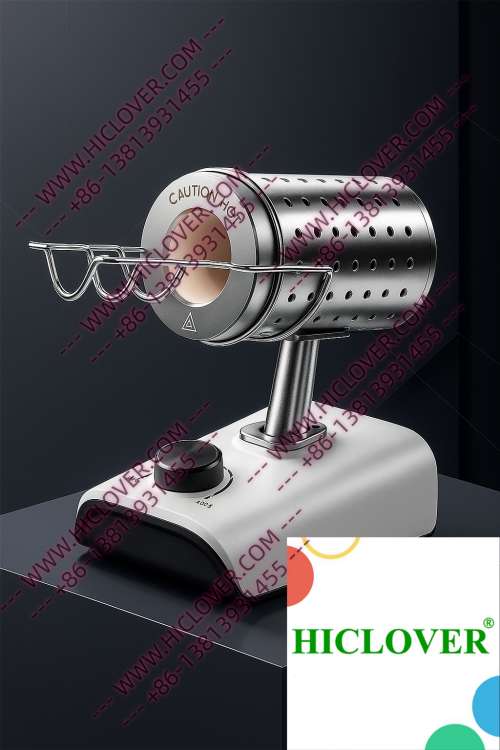
The Micro Incinerator operates on the principle of rapid thermal sterilization through infrared heat. Unlike traditional flame-based sterilizers, which heat instruments through combustion, this modern alternative employs a closed ceramic heating chamber to achieve high temperatures efficiently and uniformly. This innovative design enables the sterilization of inoculating loops and other small instruments in mere seconds, reducing the time spent on sterilization while enhancing overall laboratory efficiency.
Advantages Over Traditional Flame Sterilizers
- Infrared Heating: Devices like the Micro Incinerator eliminate the need for an open flame, significantly improving safety by reducing the risk of burns and accidental fires.
- Ease of Use: The enclosed chamber provides a clean-bench-safe operation, allowing for aerosol-free handling and minimal disruption in sterile environments.
- Eco-Friendly: By avoiding the use of flammable substances, these sterilizers are more environmentally friendly, aligning with increasingly stringent safety regulations.
- Cost-Effective: With reduced instrument replacement rates and faster operation cycles, labs benefit from lower long-term operational costs.
- Biosafety Cabinets: These controlled environments require stringent contamination control measures. The Micro Incinerator facilitates efficient sterilization without the risk of contamination through flames. Researchers can safely prepare samples without compromising biosafety.
- University Teaching Labs: In educational settings, rapid sterilization is essential for maintaining a smooth workflow. The Micro Incinerator enhances the learning experience by allowing students to focus on their experiments without delays caused by traditional sterilization methods.
Application Scenarios in Real Labs
Modern dental micro lab sterilizers like the Micro Incinerator find applications in a variety of settings, notably:
Compliance and Environmental Considerations
As laboratories increasingly prioritize regulatory compliance, the Micro Incinerator aligns with guidelines set forth by the World Health Organization (WHO) and relevant sterilization standards. The use of non-flame sterilization technology also supports cleanroom operations where the presence of an open flame is strictly prohibited. Labs must adhere to specific biosafety levels (BSL-2 and BSL-3) for microorganism handling, and having reliable sterilization technology is paramount for compliance.
Comparative Analysis: Micro Incinerator vs. Flame Burners
| Feature | Micro Incinerator | Flame Burners |
|---|---|---|
| Temperature Control | Precise infrared heat | Variable, reliant on user experience |
| Safety | No open flames | Open flame risks |
| Efficiency | Rapid sterilization | Time-consuming |
| Environmental Impact | Eco-friendly | Potential for hazardous fumes |
| Cost | Lower operational costs | Higher replacement due to burns |
FAQs about Modern Dental Micro Lab Sterilizers
1. What types of instruments can be sterilized with a Micro Incinerator?
The Micro Incinerator is ideal for sterilizing inoculating loops, needles, and other small metal instruments used in lab settings.
2. How long does it take for the Micro Incinerator to sterilize instruments?
In general, the Micro Incinerator achieves optimal sterilization within seconds, significantly reducing downtime compared to traditional methods.
3. Is the Micro Incinerator safe to use in clean rooms?
Yes! The Micro Incinerator is designed for use in clean environments. Its infrared technology and enclosed design prevent aerosol contamination.
4. Does it meet WHO biosafety standards?
Absolutely! The Micro Incinerator complies with international biosafety standards, making it suitable for use in regulated laboratory environments.
5. What are the maintenance requirements for a Micro Incinerator?
Maintenance involves regular cleaning of the ceramic chamber and ensuring the device is free from debris for optimal function.
Conclusion
With the rising importance of infection control and efficient sterilization in various laboratory settings, modern solutions like the Micro Incinerator/Infrared Inoculating Loop Sterilizer are becoming indispensable. By choosing this innovative equipment, laboratories not only ensure compliance with safety standards but also enhance their operational efficiency. If you are looking to upgrade your sterilization equipment and improve your lab’s workflow, don’t hesitate to contact us for more details about our high-quality sterilization solutions!
Categories:
Tags: