
In contemporary laboratory environments, particularly within veterinary practices, microbial safety stands as a paramount concern. Striking a balance between efficiency and sterilization quality is critical as laboratories face increasing demands for rapid thermal sterilization while simultaneously ensuring contamination control. Advanced sterilization equipment, such as the Micro Incinerator and Infrared Inoculating Loop Sterilizer, has revolutionized these workflows, providing a reliable, efficient, and safe means for microbial sterilization in various settings.
The Challenge of Sterilization in Veterinary Laboratories
Many veterinary labs encounter the inherent risks associated with microbial contamination, which may lead to compromised results, costly delays, and potential hazards for staff. Traditional sterilization approaches, including flame sterilizers, often present challenges due to the risk of flammable materials, inconsistent heat application, and the requirement for a clean environment free of external influences. In response to these challenges, laboratories are adopting advanced sterilization techniques that prioritize not just safety but also efficiency.
Technical Principles Behind Infrared Inoculating Loop Sterilizers
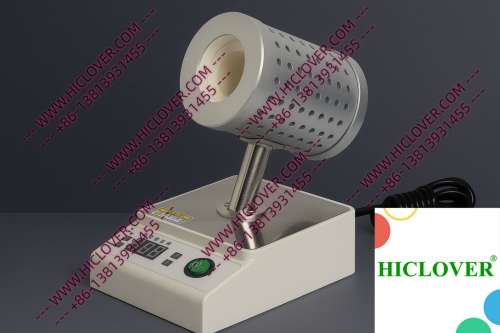
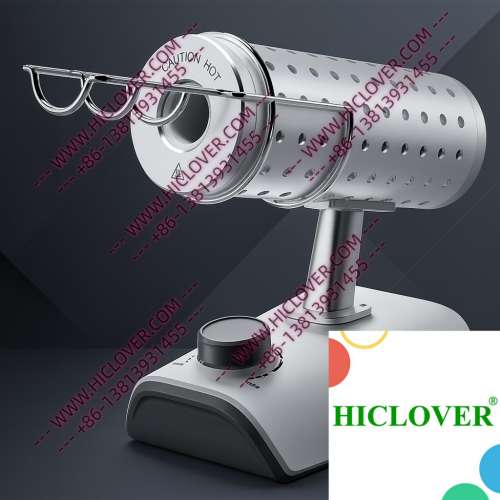
The Micro Incinerator operates on the principle of infrared high-temperature disinfection. Utilizing an enclosed ceramic tube, the device generates instant heat upon activation, with temperatures capable of reaching over 800°C in seconds. This infrared heat not only ensures rapid sterilization but also guarantees aerosol-free handling, a significant improvement over traditional models.
Some of the notable features of the Micro Incinerator include:
- Rapid thermal sterilization: Ensures minimal downtime.
- Contamination control: Enclosed design prevents exposure.
- Ease of use: Simple activation and operations suitable for various skill levels.
- Energy efficiency: Consumes minimal power compared to other sterilizers.
Application Scenarios in Veterinary Laboratories
Biosafety Cabinet Deployments
In BSL-2 and BSL-3 veterinary labs, where work involves potentially pathogenic organisms, the Micro Incinerator is indispensable. It is commonly used in biosafety cabinets, allowing for safe and effective sterilization of inoculating loops and other tools without exposing staff to open flames. The infrared sterilizer not only enhances safety but also complements the lab’s sterile working environment by eliminating contamination risks associated with airborne pathogens.
Field Testing and Practical Applications
Field testing presents unique challenges that traditional sterilization methods struggle to tackle, particularly in remote veterinary practices. The portability and compact design of the Micro Incinerator make it an ideal choice for mobile setups. For instance, in rural veterinary clinics, professionals utilize this device to efficiently sterilize tools during on-site consultations, significantly improving the efficacy of their services while adhering to microbial safety standards.
Compliance and Environmental Considerations
Compliance with WHO biosafety and laboratory sterilization standards is non-negotiable for veterinary labs. The Micro Incinerator aligns with these regulations, ensuring that microbiological testing environments maintain the highest levels of safety. With no flames present in clean rooms or teaching labs, the risks associated with Bunsen burners or alcohol lamps are effectively eliminated. Furthermore, the infrared technology contributes to a reduction in hazardous waste compared to traditional methods that may involve alcohol disposal.
Comparison: Micro Incinerator vs. Traditional Flame Sterilizers
| Feature | Micro Incinerator | Flame Sterilizers |
|---|---|---|
| Heat Generation | Infrared (instant) | Open flame |
| Contamination Control | Enclosed system | Exposure risks |
| User Safety | Safe from flammability | High risk of burns |
| Efficiency | Rapid sterilization | Longer heating time |
| Waste Generation | Minimal | Higher due to alcohol use |
Frequently Asked Questions (FAQs)
What makes the Micro Incinerator ideal for veterinary labs?
The Micro Incinerator combines rapid sterilization capabilities with a safe, enclosed design, making it perfect for labs concerned about microbial contamination and staff safety.
Can the Micro Incinerator be used in field testing?
Yes, its portability and compact nature allow for effective sterilization in mobile testing scenarios, ensuring compliance with microbial safety standards on-site.
How does infrared heat compare to traditional flame methods in sterilization efficiency?
Infrared heat provides instant and consistent temperatures, resulting in faster and more effective sterilization versus the inconsistent heat generated by flame methods.
Is the Micro Incinerator compliant with WHO standards?
Absolutely. It meets WHO biosafety guidelines, promoting enhanced safety in laboratories and clean environments.
What applications in educational settings can benefit from using a Micro Incinerator?
In university teaching labs, the Micro Incinerator offers a safe alternative for students learning sterilization techniques without the risks associated with flame sterilizers.
Conclusion
As veterinary practices embrace advanced sterilization technologies like the Micro Incinerator and Infrared Inoculating Loop Sterilizer, they are not only enhancing safety but also improving laboratory efficiency and compliance with rigorous standards. Whether in teaching labs, clinical diagnostics, or field testing, the infrared sterilizer offers unparalleled advantages over traditional methods. For those looking to upgrade their sterilization practices or ensure higher microbial safety in their workflows, consider reaching out to us for more information or a consultation on how to integrate these cutting-edge solutions into your operations.
Categories:
Tags: