
In the demanding environment of biosafety laboratories, the challenges of maintaining strict sterilization protocols pose significant implications for patient care and research integrity. Rapid contamination control is critical, as improper sterilization can lead to compromised results and, more importantly, patient infections. The transition from traditional flame sterilization methods to advanced technologies like the Micro Incinerator/Infrared Inoculating Loop Sterilizer addresses these critical needs while promoting a safer working environment.
Understanding Low-Smoke Sterilization: The Micro Incinerator
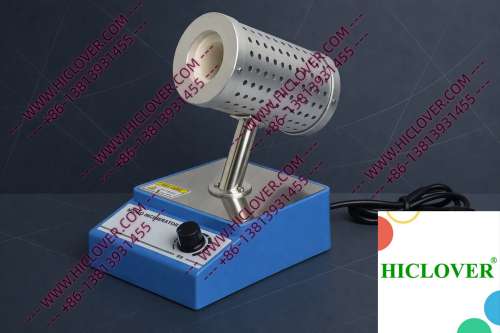
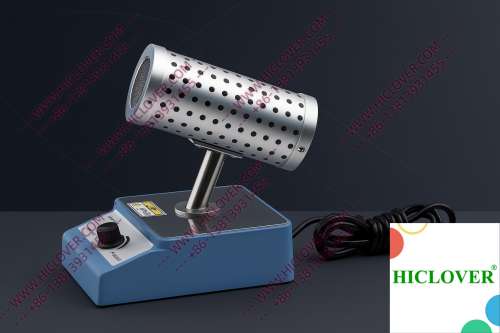
The Micro Incinerator employs a sophisticated design that integrates infrared heat technology for effective microbial sterilization. This device typically incorporates a ceramic heating chamber that rapidly reaches high temperatures, allowing for quick sterilization cycles. Unlike traditional flame-based sterilizers, the Micro Incinerator provides a clean, low-smoke alternative, significantly reducing the risk of contamination and exposure to harmful aerosols in laboratory settings.
Technical Principles and Advantages
At the core of the Micro Incinerator’s functionality is its ability to produce infrared high-temperature disinfection without the hazards associated with open flames. The enclosed ceramic tube design not only enhances thermal efficiency but also minimizes the risk of accidental fires or inhalation of toxic fumes that can result from burning alcohol or other flammable materials.
Compared to traditional flame sterilizers like alcohol lamps and Bunsen burners, the Micro Incinerator offers distinct advantages:
- Rapid thermal sterilization: Achieves sterilization in seconds.
- Aerosol-free handling: Reduces the risk of contamination in sensitive environments.
- Clean-bench-safe design: Ideal for use in BSL-2 and BSL-3 microbiology labs.
- Minimal maintenance: Ceramic tubes are durable and require less frequent replacement.
Application Scenarios in Laboratory Settings
1. Biosafety Cabinets
Biosafety cabinets are vital in healthcare and research laboratories for ensuring safety during hazardous biological material handling. Utilizing the Micro Incinerator in these environments enhances the safety protocol by delivering sterilization without the risks associated with open flames. Laboratory technicians can effectively decontaminate inoculating loops and other tools, securing the sterile field without distractions from flame-based devices.
2. Teaching Labs
In academic settings, such as university teaching labs, where students are trained in microbiological techniques, implementing the Micro Incinerator fosters an environment conducive to learning. Instructors no longer worry about safety hazards of flames around inexperienced learners. Students can perform experiments with confidence, knowing they utilize state-of-the-art sterilization technology that conforms to the highest standards of safety.
Compliance and Environment Considerations
As integral components of laboratory safety, adherence to regulations set forth by health organizations such as the WHO is paramount. The Micro Incinerator meets stringent lab sterilization standards and eliminates the need for flame sterilizers in clean rooms, where controlling airborne contaminants is crucial. Evidence suggests that transitioning to low-smoke devices enhances compliance with biosafety regulations, providing a safer environment for both technicians and patients alike.
Moreover, adopting clean technologies aligns with sustainability practices, reducing the environmental impact of laboratory operations by minimizing hazardous waste from alcohol and other flammable sterilizers.
Comparison Table: Micro Incinerator vs. Flame Burners
| Feature | Micro Incinerator | Flame Burners |
|---|---|---|
| Heating Method | Infrared Heat | Open Flame |
| Risk of Contamination | Low | High |
| Safety | Clean-bench-safe | Hazardous |
| Speed of Sterilization | Seconds | Minutes |
| Meets Biosafety Standards | Yes | No |
FAQs
What makes the Micro Incinerator safer than traditional flame sterilizers?
The Micro Incinerator utilizes infrared heat technology, which eliminates the need for an open flame. This reduces the risks associated with fire hazards and airborne contamination, enhancing laboratory safety.
Can the Micro Incinerator be used in field testing laboratories?
Yes, its portability and efficient sterilization capability make the Micro Incinerator ideal for field testing applications where rapid disinfection is necessary without compromising safety.
Is the Micro Incinerator compliant with WHO biosafety regulations?
Absolutely. The device meets stringent biosafety standards, minimizing contamination risks and supporting safe laboratory practices endorsed by health organizations.
How does the Micro Incinerator improve laboratory workflow?
By providing rapid and efficient sterilization, the Micro Incinerator accelerates laboratory processes, allowing technicians to focus more on their experiments and less on potential contamination risks.
What are the maintenance requirements for the Micro Incinerator?
Maintenance is minimal thanks to the durable ceramic heating elements. Regular cleaning and checking for wear are all that’s typically required to ensure optimal performance.
Conclusion
In a world where the safety and health of patients rely heavily on laboratory practices, transitioning to equipment like the Micro Incinerator/Infrared Inoculating Loop Sterilizer is no longer a choice but a necessity. With its advanced design addressing crucial sterilization needs, laboratories can confidently observe biosafety protocols, maintain compliance with global standards, and ensure high-quality outcomes in research and diagnostics.
For hospitals, universities, and research centers seeking to enhance their sterilization practices, investing in the Micro Incinerator is a commitment to patient safety and scientific integrity. Contact us today to explore how our innovative sterilization solutions can meet your laboratory’s needs.
Categories:
Tags: