
The ongoing struggle against plastic waste has become a critical issue not only in Tanzania but globally. One of the significant challenges in laboratory and clinical environments is ensuring effective sterilization while adhering to biosafety protocols. Traditional methods, such as alcohol lamps and Bunsen burners, have prevalent shortcomings in terms of emissions, contamination risks, and efficiency. The adoption of innovative sterilization technology, such as Micro Incinerators, represents a substantial step forward in overcoming these challenges.
The Challenges of Traditional Sterilization Methods
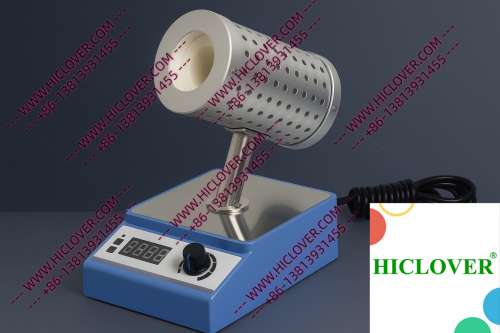
In various laboratory settings—including clinical diagnostics, teaching labs, and BSL-2 or BSL-3 microbiology environments—rapid thermal sterilization plays a critical role. Traditional flame sterilizers not only pose risks of open flames but also fail to meet the stringent requirements for contamination control. This is particularly crucial in sensitive environments like clean rooms, where any introduction of contaminants can compromise research integrity or patient safety.
Technical Principles of Micro Incinerators
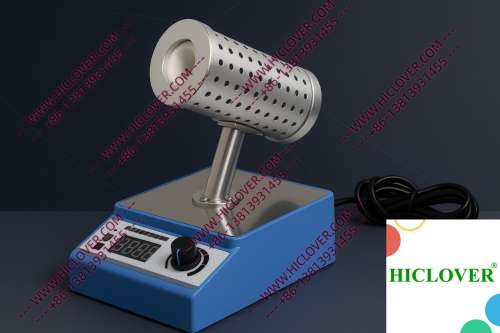
Micro Incinerators, specifically the Infrared Inoculating Loop Sterilizer, utilize advanced technology that eliminates many drawbacks associated with flames. Operating on the principle of infrared heat, these devices feature a ceramic heating chamber that ensures high-temperature disinfection without the risk of aerosol contamination or flammable materials.
- Infrared Heat Transfer: This technology allows for rapid heating and cooling, making sterilization effective and efficient.
- Enclosed Design: The ceramic tube design minimizes exposure to surrounding environments, significantly reducing contamination risks.
- Ease of Use: Unlike traditional burners, Micro Incinerators provide a clean-bench-safe experience, suitable for various settings.
- What is a Micro Incinerator? A Micro Incinerator is a compact device that uses infrared technology to sterilize laboratory instruments quickly and efficiently.
- How does the Infrared Inoculating Loop Sterilizer work? It uses infrared heat to achieve rapid thermal sterilization without open flames, making it safer for various laboratory applications.
- Are Micro Incinerators compliant with WHO standards? Yes, they meet stringent biosafety standards by offering flame-free sterilization, reducing the risk of contamination.
- What are the advantages of using a Micro Incinerator over traditional flame methods? They offer greater safety, efficiency, lower emissions, and reduced risks associated with open flames.
- Can Micro Incinerators be used in field testing labs? Yes, their portability and ease of use make them suitable for field settings where sterilization is crucial.
Application Scenarios in Laboratories
Micro Incinerators are versatile tools that can be employed effectively across different laboratory scenarios.
1. Biosafety Cabinet Operations
In biosafety cabinets, precision and sterile conditions are critical. Micro Incinerators fit seamlessly into these environments. Technicians can quickly and safely sterilize loops and other instruments without the risk of flame exposure. This capability significantly enhances operational workflow, allowing laboratory personnel to focus on research and diagnostics rather than sterilization worries.
2. Teaching Laboratories
University teaching labs present another compelling application. Educators can introduce students to sterile techniques while minimizing hazards associated with traditional flame methods. The introduction of Infrared Inoculating Loop Sterilizers not only facilitates a safer classroom environment but also equips students with the necessary skills to handle sophisticated laboratory equipment responsibly.
Compliance and Environmental Considerations
Compliance with biosafety standards is essential in any laboratory environment, particularly for those adhering to WHO guidelines. The regulations stipulate that sterilization techniques must prevent contamination and maintain safety. Here is where Micro Incinerators excel:
“Using Micro Incinerators in sensitive environments, such as clean rooms and clinical settings, aligns with WHO biosafety standards through their effective, flame-free sterilization practices.”
Micro Incinerators vs. Traditional Flame Sterilizers
| Feature | Micro Incinerator | Flame Sterilizers |
|---|---|---|
| Emissions | Low, clean air | High, produces flames |
| Contamination Risk | Minimal | High, open flames |
| Efficiency | Rapid thermal control | Slow, less controlled |
| Safety | Flame-free | Fire hazard |
| Ease of Use | User-friendly | Requires more skill |
Regional Impact in Tanzanian Communities
In Tanzania, the implementation of Micro Incinerators not only addresses vital laboratory sterilization concerns but also contributes to improved environmental outcomes by providing safer alternatives for waste management. With the rising plastic waste challenge, communities can utilize these devices to reduce emissions and minimize pollution.
FAQs
Conclusion
The transition from plastic to clean air in Tanzanian communities is bolstered by the adoption of Micro Incinerators. Their application not only enhances laboratory sterilization processes but also aligns perfectly with global compliance standards and environmental sustainability. For those involved in laboratory supply distribution, hospitals, or teaching institutions in need of reliable sterilization solutions, consider integrating Micro Incinerators into your operations. Reach out today to discover how these innovative devices can enhance your workflow and contribute to a cleaner environment.
Categories:
Tags: