
In the intricate world of laboratory biosafety, the challenge of maintaining sterile environments is paramount. University labs, often the breeding ground for innovation, concurrently bear the pivotal responsibility of contamination control. Advanced sterilization systems have emerged as indispensable tools, particularly the Micro Incinerator or Infrared Inoculating Loop Sterilizer. These devices redefine the sterilization workflow by providing a safe, efficient, and environmentally compliant solution to sterilization demands.
Understanding the Technology of Micro Incinerators
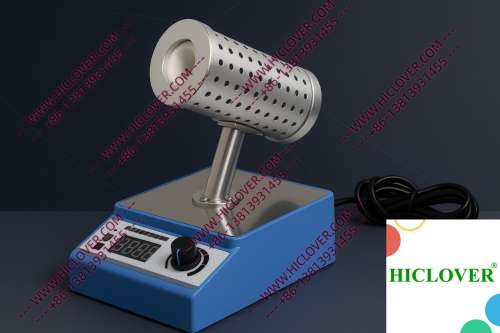
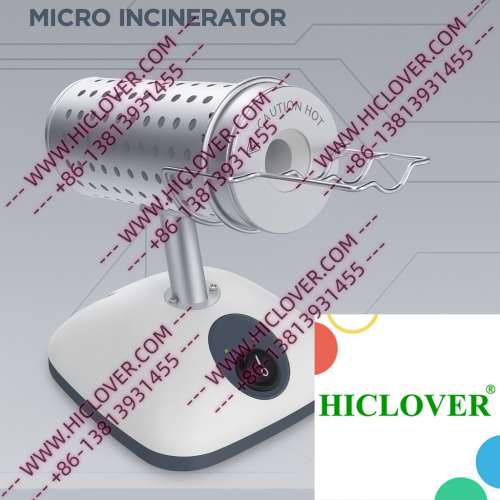
At the core of the Micro Incinerator’s functionality lies the principle of rapid thermal sterilization. Unlike traditional methods such as Bunsen burners or alcohol lamps, which utilize open flames, the Micro Incinerator employs infrared technology to generate high-temperature disinfection. This results in a more controlled and consistent sterilization process. The enclosed ceramic heating chamber provides uniform heat distribution, effectively eliminating microbial life.
- Rapid Sterilization: Achieves temperatures exceeding 800°C in seconds.
- Safety Features: Flame-free operation minimizes risk of fire and inhalation hazards.
- Environmentally Friendly: Reduces CO₂ emissions and eliminates the need for alcohol-based products.
Practical Applications in University Laboratories
Scenario 1: Biosafety Cabinets
In BSL-2 and BSL-3 microbiology labs, where pathogenesis research is conducted, the integrity of sterilization protocols is crucial. The Micro Incinerator is ideally suited for use in biosafety cabinets, allowing researchers to sterilize inoculating loops and other tools without risking contamination. The quick turn-around time ensures workflow efficiency, crucial in environments dealing with time-sensitive experiments.
Scenario 2: Field Testing and Mobile Labs
Field testing, often crucial in environmental or agricultural research, benefits immensely from the portability and reliability of the Micro Incinerator. Unlike traditional flame sterilizers, this device is easily transportable and operates without additional fuel sources. This highlights its versatility, making it a favorite among researchers conducting mobile testing in remote areas.
Compliance and Environmental Considerations
Adhering to WHO biosafety guidelines and laboratory sterilization standards is non-negotiable. The Micro Incinerator stands out as a compliant choice for universities and research centers aiming to meet rigorous hygiene and safety standards while allowing for flame-free operation in clean rooms. The adoption of this sterilization system aligns with international standards, ensuring that laboratories do not just meet compliance but also enhance overall safety protocols.
“Using a Micro Incinerator enhances our compliance with biosafety regulations while improving operational workflow,” says Dr. Tessa Wong, a leading microbiologist at Yale University.
Advantages Over Traditional Sterilization Methods
The advantages of using a Micro Incinerator over traditional flame sterilizers are numerous:
| Features | Micro Incinerator | Flame Sterilizers |
|---|---|---|
| Heat Source | Infrared | Open Flame |
| Contamination Risk | Low | High |
| Speed of Sterilization | Rapid | Variable |
| Fuel Requirement | Electricity | Gas or Alcohol |
| Usability in Clean Rooms | Yes | No |
Frequently Asked Questions
- What makes the Micro Incinerator safer than traditional methods?
The enclosed design and infrared heat source eliminate the risks associated with open flames, preventing fire hazards and inhalation of harmful fumes. - Can the Micro Incinerator be used in sensitive environments?
Yes, it is specifically designed for use in clean rooms and biosafety cabinets, ensuring compliance with laboratory safety standards. - How does the Micro Incinerator improve sterilization efficiency?
Its rapid heating capability allows for swift sterilization, reducing downtime and increasing lab productivity. - Is the Micro Incinerator environmentally friendly?
Absolutely! It minimizes CO₂ emissions and negates the need for flammable sterilization agents. - What are the maintenance requirements for this device?
Minimal maintenance is required; regular cleaning of the heating chamber ensures optimal performance.
Conclusion
In summary, the shift from traditional sterilization methods to advanced technologies like the Micro Incinerator represents a significant evolution in laboratory biosafety management. As universities and research institutions increasingly prioritize safety and efficiency, investing in a Micro Incinerator not only enhances compliance with biosafety standards but also improves laboratory workflows. For organizations looking to elevate their sterilization processes, now is the time to explore how the Micro Incinerator can make a transformative impact on your lab practices. Feel free to reach out for a quote or further information on how our sterilization solutions can meet your specific needs.
Categories:
Tags: