
In the ever-evolving field of microbiology, learning environments are constantly challenged by biosafety concerns and sterilization workflow demands. Successful contamination control is paramount, especially in labs handling pathogenic microorganisms, including those designated as BSL-2 and BSL-3. Among the essential tools in combating contamination risks are effective sterilization devices, such as the Micro Incinerator or Infrared Inoculating Loop Sterilizer. This article explores the profound influence of these sterilizers in microbiology laboratories, their operational principles, practical use cases, and compliance with safety regulations.
Understanding the Micro Incinerator: Technical Principles
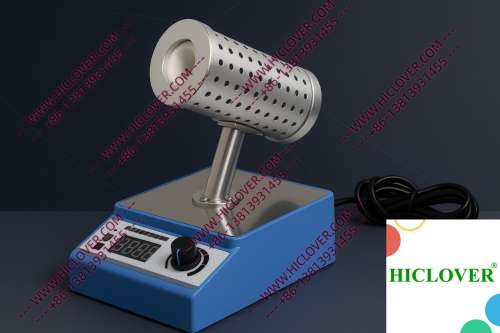
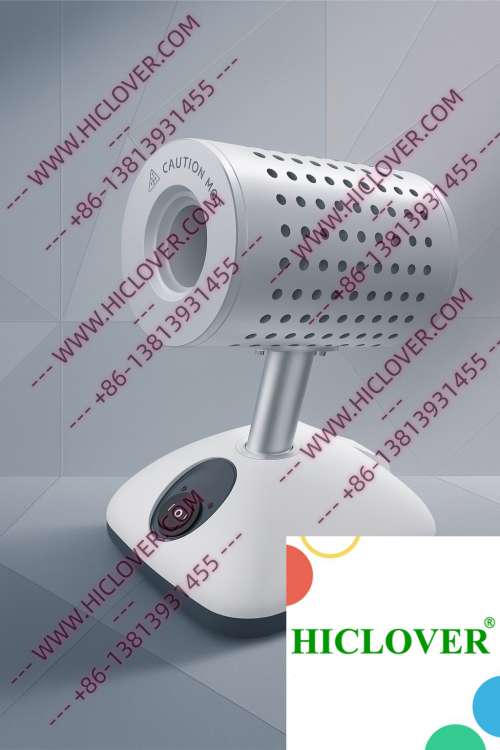
The Micro Incinerator operates on advanced infrared heating technology, allowing for rapid thermal sterilization without the use of open flames. Traditional flame sterilizers, like alcohol lamps and Bunsen burners, pose significant risks, including potential fires and uncontrolled aerosol generation. This makes the Micro Incinerator a safer alternative, particularly suitable for clean-bench environments and laboratories where contamination control is critical.
One of its key features is the enclosed ceramic heating chamber, which achieves high temperatures within seconds. This unique configuration ensures uniform heating of inoculating loops and other tools, with efficient heat transfer that guarantees optimal sterilization. Furthermore, the absence of flames creates a clean and safe working atmosphere—ideal for handling sensitive samples and instrumentation.
Applications of the Micro Incinerator in Laboratory Settings
- Field Testing: In fieldwork scenarios, such as environmental microbiology studies, the Micro Incinerator is invaluable. Researchers can efficiently sterilize their equipment on-site, minimizing contamination risks while observing safety regulations, even in remote locations.
- University Teaching Labs: In academic settings, the Micro Incinerator serves as an essential teaching tool. It facilitates student understanding of sterilization practices without the dangers associated with flame sterilizers, allowing for cleaner air quality and fewer distractions during practical sessions.
-
What are the advantages of using a Micro Incinerator over traditional sterilizers?
The Micro Incinerator offers rapid thermal sterilization, minimized contamination risks, and enhanced safety without open flames, making it suitable for a variety of laboratory settings.
-
Can the Micro Incinerator be used in field testing scenarios?
Yes, its compact design and efficient operation make it an ideal choice for fieldwork, enabling safe sterilization on-site.
-
How does the Micro Incinerator contribute to compliance with biosafety regulations?
Its design minimizes aerosols and contamination risks, aligning with WHO and CDC recommendations for lab safety and sterilization practices.
-
Is the Micro Incinerator safe for use in BSL-3 laboratories?
Absolutely! It’s designed to operate safely in high-containment environments while ensuring effective sterilization.
-
What resources are available for training on the use of the Micro Incinerator?
Many manufacturers offer online training, manuals, and hands-on sessions to ensure users can operate the device safely and effectively in a laboratory setting.
Biosafety Compliance in Laboratory Environments
Adhering to WHO biosafety guidelines and laboratory sterilization standards is crucial for any microbiology lab. The Centers for Disease Control and Prevention (CDC) provide comprehensive recommendations regarding sterilization practices, which highlight the necessity of keeping infection control at the forefront of laboratory operations.
Using flame sterilizers in clean rooms poses additional challenges. The risk of generating aerosols and contaminating sterile environments can lead to compliance failures that jeopardize research outcomes. The Micro Incinerator, however, eliminates these risks, ensuring that laboratories maintain their compliance with industry regulations while adhering to sterile protocols. In countries like Germany and Japan, where BSL-3 labs are prevalent, the demand for devices that protect both users and samples is growing steadily.
Comparison of Sterilization Techniques
| Feature | Micro Incinerator | Flame Sterilizers |
|---|---|---|
| Heating Method | Infrared | Open Flame |
| Contamination Risk | Minimized | High due to aerosols |
| Setup Time | Seconds | Minutes |
| Safety | High | Moderate |
FAQs About Micro Incinerators in Laboratory Sterilization
Conclusion: Elevating Sterilization Standards in Microbiology Labs
The shift from traditional flame sterilizers to innovative solutions like the Micro Incinerator represents a significant advancement in microbiology practices. With its combination of safety, efficiency, and compliance with stringent laboratory standards, the Micro Incinerator enhances both learning environments and operational workflows.
For laboratory supply distributors, research centers, and academic institutions seeking to elevate their sterilization practices, investing in a quality Micro Incinerator is a strategic decision. Connect with our team today to learn how this cutting-edge sterilization equipment can transform your lab operations and ensure hands-on microbiological training remains safe and effective.
Categories:
Tags: