
In the modern laboratory environment, maintaining rigorous biosafety standards and ensuring efficient sterilization workflows are paramount. Educational institutions and research centers are increasingly challenged with contamination control, particularly in microbiology teaching labs where students must quickly master vital aseptic techniques. Traditional sterilization methods, such as alcohol lamps and Bunsen burners, while familiar, can introduce risks and inefficiencies. Hence, the adoption of advanced laboratory sterilization equipment like the Micro Incinerator / Infrared Inoculating Loop Sterilizer is becoming essential for educators and students alike.
Technical Principles of Infrared Inoculating Loop Sterilizers
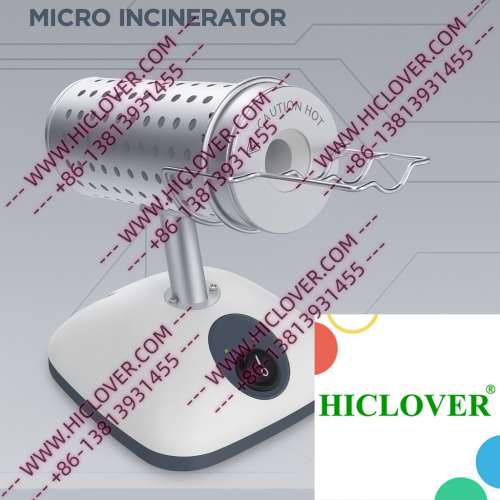
The Micro Incinerator utilizes infrared heat generated within a sealed ceramic tube to achieve rapid thermal sterilization. This design provides a clean and efficient method of sterilization that enhances user safety. Unlike flame-based systems, which can cause unwanted aerosols and require open flames, the inoculating loop sterilizer operates at elevated temperatures without combustion byproducts. The enclosed chamber heats quickly, allowing for effective sterilization of loops and other inoculating tools in a matter of seconds.
Applications in Real Labs
1. University Teaching Labs
University teaching labs often face the challenge of providing students with hands-on experience in sterilization techniques while minimizing exposure to flammable materials. The Micro Incinerator is a perfect solution, providing a clean-bench-safe environment where students can learn without the hazards associated with open flames. Its portability and ease of use make it an ideal instrument for practical demonstrations, ensuring that students can focus on learning sterile techniques without worrying about safety.
2. Mobile or Field Testing Labs
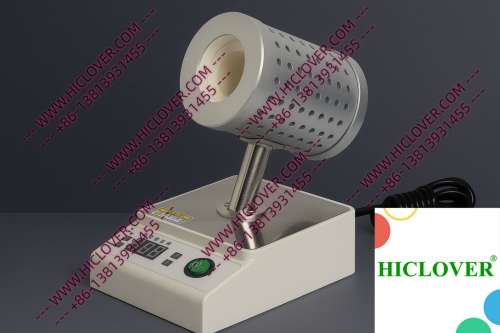
In mobile or field testing environments where space and access to power sources may be limited, the compact design of the Infrared Inoculating Loop Sterilizer offers significant advantages. Utilizing this equipment allows microbiologists to conduct effective contamination control even in challenging conditions outside the lab, such as during environmental sampling or clinical diagnostics in remote areas. The ability to quickly sterilize tools without creating aerosols is essential for compliance with biosafety best practices.
Compliance and Environmental Considerations
According to the World Health Organization (WHO) guidelines, proper sterilization practices are crucial in biosafety level 2 (BSL-2) and level 3 (BSL-3) laboratories, particularly for labs involved in clinical diagnostics and research. The use of flame sterilizers is often discouraged due to the inherent risks of fire and contamination through aerosol generation. The Micro Incinerator, being flame-free, meets laboratory sterilization standards while aligning with the necessary biosafety regulations, making it suitable for the most stringent laboratory environments.
- Enhances safety by eliminating open flames.
- Conforms to WHO biosafety guidelines.
- Minimizes contamination risks in clean rooms.
- Supports rapid thermal sterilization without compromising efficiency.
Comparison Table: Micro Incinerator vs. Flame Burners
| Feature | Micro Incinerator | Flame Burners |
|---|---|---|
| Heating Method | Infrared Heat | Open Flame |
| Contamination Control | Aerosol-Free | Potential Aerosols |
| Safety | Flame-Free | Fire Hazard |
| Speed of Sterilization | Seconds | Varies |
| Portability | High | Moderate |
FAQs
What is a Micro Incinerator, and how does it work?
A Micro Incinerator is a sterilization device that uses infrared heat within an enclosed ceramic chamber to sterilize inoculating loops and other lab equipment rapidly and safely.
How does this sterilizer ensure safety in a university lab?
The Micro Incinerator eliminates the risks associated with open flames, reducing the chances of fire hazards and aerosol generation, thus creating a safer learning environment for students.
Can I use a Micro Incinerator in a field-testing scenario?
Yes, its compact design and portability make it an excellent choice for mobile applications, allowing for effective sterilization even in remote or outdoor locations.
What biosafety standards does the Micro Incinerator comply with?
The Micro Incinerator aligns with WHO biosafety guidelines and laboratory sterilization standards, making it suitable for BSL-2 and BSL-3 laboratory environments.
How do Micro Incinerators compare to traditional flame sterilizers?
Micro Incinerators offer several advantages over traditional flame sterilizers, including faster heating, enhanced safety through flame-free operation, and reduced contamination risks.
Conclusion
The transition from theory to practical application in teaching labs necessitates reliable and efficient laboratory sterilization equipment. The Micro Incinerator / Infrared Inoculating Loop Sterilizer addresses the biosafety challenges faced by educators while providing a robust and user-friendly solution for sterilization tasks. It not only ensures compliance with vital safety standards but also enhances the learning experience for students, making it an invaluable asset for any advanced laboratory setting.
If you’re interested in elevating your laboratory sterilization practices, consider investing in the Micro Incinerator. Contact us today to discuss your needs or to place an order!
Categories:
Tags: