
In today’s scientific landscape, laboratories face increasing pressures to maintain the highest standards of biosafety while efficiently managing sterilization workflows. The journey from waste to ash signifies a revolutionary advancement in the realm of laboratory sterilization equipment, particularly with the use of Micro Incinerators, like the Infrared Inoculating Loop Sterilizer. These cutting-edge devices not only ensure rapid thermal sterilization but also address critical environmental concerns.
Unveiling the Technical Principles of Micro Incinerators
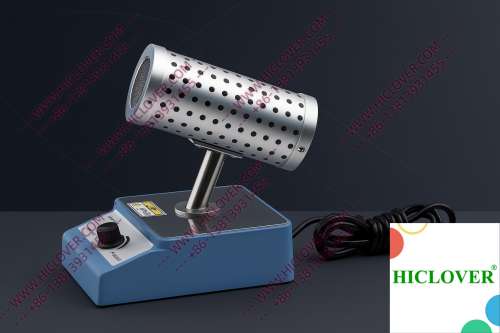
At the heart of the Micro Incinerator lies a powerful combination of infrared heat and a carefully engineered enclosed ceramic tube. This innovative configuration permits temperatures that can exceed 800 degrees Celsius (1472 degrees Fahrenheit), turning organic materials, including pathogenic microorganisms, into harmless ash in mere seconds. Unlike traditional flame sterilizers such as Bunsen burners and alcohol lamps, which pose risks of open flames and aerosol production, Micro Incinerators offer a clean-bench-safe option ensuring contamination control in sensitive laboratory settings.
Applications in Real Laboratories
The versatility of Micro Incinerators is evident in various laboratory applications:
- Biosafety Cabinets: In BSL-2 and BSL-3 labs, where pathogenic organisms are handled, Micro Incinerators serve as a vital tool for sterilizing inoculating loops and other small instruments without compromising the sterility of the environment. Their compact design ensures they fit seamlessly into biosafety cabinets where maintaining sterile conditions is paramount.
- Teaching Labs: University settings often require effective teaching aids for students. The Infrared Inoculating Loop Sterilizer is an excellent educational tool in microbiology courses, providing students hands-on experience with rapid thermal sterilization while simultaneously emphasizing safety through aerosol-free handling.
- Efficiency: Instant sterilization reduces turnaround time in busy labs.
- Safety: Reduced risk of burns and fire hazards makes them highly suitable for both academic and clinical environments.
- Environmental Impact: With no hazardous waste production, Micro Incinerators promote sustainability efforts within laboratory operations.
- Ease of Use: Simple operation allows lab personnel to focus on research rather than complex sterilization protocols.
Compliance with Biosafety Standards
Globally, laboratories must adhere to strict biosafety regulations set forth by organizations such as the World Health Organization (WHO) and national health institutions. Compliance involves ensuring that sterilization practices do not generate hazardous aerosols, particularly in clean rooms where air quality is controlled. Micro Incinerators align perfectly with these requirements, eliminating the need for open flames, thereby enhancing safety in sensitive environments, including clinical diagnostics and field testing labs.
The following table highlights key differences between Micro Incinerators and traditional flame sterilizers:
| Feature | Micro Incinerator | Flame Sterilizer |
|---|---|---|
| Heat Source | Infrared ceramic tube | Open flame |
| Temperature Control | Rapid thermal sterilization | Variable, less precise |
| Aerosol Production | No aerosols | Potential aerosol generation |
| Safety | Clean-bench-safe | Risk of fire hazard |
Why Choose Micro Incinerators for Laboratory Sterilization?
Numerous advantages exist when opting for Micro Incinerators over traditional flame methods:
Frequently Asked Questions
What is the primary advantage of a Micro Incinerator over a flame sterilizer?
The primary advantage lies in its ability to provide rapid thermal sterilization without generating hazardous aerosols and fire risks, making it safer and more efficient for laboratory environments.
Can Micro Incinerators be used in BSL-3 labs?
Yes, they are ideal for use in BSL-3 labs due to their enclosed design and compliance with stringent biosafety standards.
Are there any restrictions on using Micro Incinerators in clean rooms?
Micro Incinerators are suitable for clean rooms since they produce no flames or aerosols that can compromise air quality.
What types of bacteria can be sterilized using these devices?
Micro Incinerators can effectively sterilize equipment contaminated with a wide range of bacteria, viruses, and fungi, including pathogenic strains common in clinical and microbiology labs.
Is training required to operate a Micro Incinerator?
While they are user-friendly, proper training is recommended to ensure safety and efficiency during use.
Conclusion
As laboratories strive to meet growing biosafety demands and environmental standards, embracing technologies like Micro Incinerators represents a step towards sustainable and efficient sterilization solutions. Institutions, from universities to hospitals, are encouraged to explore these innovative devices to elevate their sterilization protocols. For inquiries or to request a quote for Micro Incinerators or related laboratory sterilization equipment, please contact us today!
Categories:
Tags: