
In the realm of laboratory environments, maintaining biosafety and preventing contamination are paramount. Challenges arise daily as scientists navigate the complexities of sterilizing equipment and ensuring a clean workspace. This is particularly pronounced in Biological Safety Cabinets (BSC), where specialized sterilization workflows are critical in safeguarding both the research outcomes and personnel involved in microbiological and biopharmaceutical studies. A notable solution comes in the form of advanced sterilization equipment such as the Micro Incinerator, specifically the Infrared Inoculating Loop Sterilizer, which has shown significant benefits over traditional methods.
Understanding Micro Incinerators: The Technical Principles
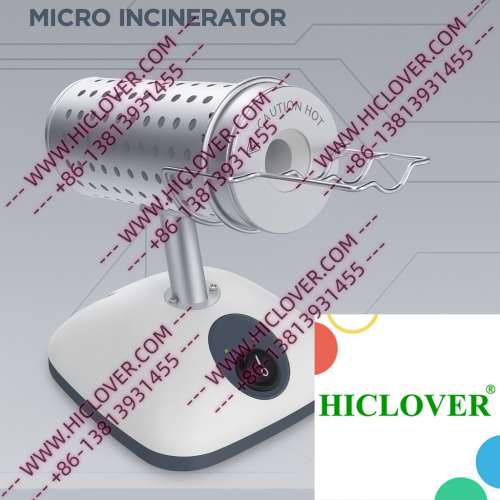
The Micro Incinerator operates on the principle of rapid thermal sterilization, utilizing infrared heat. It features an enclosed ceramic heating chamber that generates high temperatures rapidly and uniformly, eliminating viable microorganisms within seconds. This system ensures maximum efficiency in sterilization, significantly reducing time without compromising biosafety.
The configuration of these systems enhances their usability in controlled environments. For example, the device is designed to fit seamlessly into clean rooms, adhering strictly to the biosafety requirements set by organizations such as the WHO. Unlike traditional Bunsen burners or alcohol lamps, which can produce aerosol contaminants or introduce flames into sterile environments, micro incinerators provide a clean, flame-free mechanism for effective sterilization.
Applications in Real Labs
Micro Incinerators find utility in various laboratory scenarios. Here are two distinct applications:
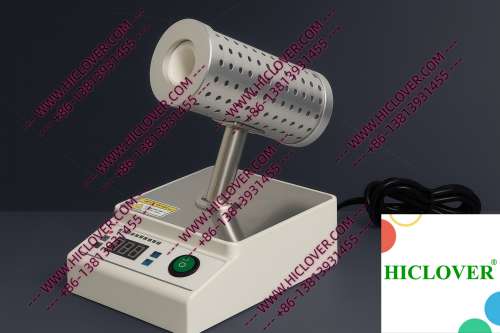
- Biosafety Cabinets in BSL-2/BSL-3 Labs: In environments handling pathogenic microorganisms, such as clinical diagnostics or vaccine research, the infrared inoculating loop sterilizer allows for rapid decontamination of tools without the risks associated with open flames. This is crucial for ensuring that any tools used within the cabinet do not compromise the safety of the workspace or the integrity of the experiment.
- University Teaching Labs: In educational settings, microbiological experiments often require frequent sterilization of inoculating loops and other tools. The user-friendly design of the Micro Incinerator simplifies the sterilization process, allowing students to learn proper aseptic techniques without the added worry of managing open flames, thus fostering a safer learning environment.
Compliance and Safety Standards
Compliance with biosafety standards is crucial for laboratories worldwide. The WHO and local health authorities outline rigorous standards for laboratory sterilization practices. Traditional methods like alcohol lamps pose challenges, particularly where open flame is prohibited, such as in clean rooms and specific sectors like pharmaceutical manufacturing or gene therapy. For example:
- In a BSL-3 laboratory in Toronto, Canada, implementing the Micro Incinerator meets stringent safety protocols while ensuring efficient sterilization of instruments.
- Many hospitals in the United Kingdom utilize infrared sterilizers to comply with NHS guidelines, reducing the risk of fire hazards associated with flame-based sterilization in sensitive environments.
Advantages of Micro Incinerators Over Traditional Flame Sterilizers
| Feature | Micro Incinerator | Flame Burners |
|---|---|---|
| Safety | No open flames; lower risk of accidents | Open flame can cause burns and fires |
| Efficiency | Rapid thermal sterilization; immediate availability | Slower to reach effective sterilization temperatures |
| Contamination Control | No aerosol production, maintaining sterile environment | Aerosol risk increases potential contamination |
| Ease of Use | Simple operation, ideal for training environments | Requires more skill and attentiveness to use safely |
FAQs about Micro Incinerators
- What types of laboratories benefit most from using a Micro Incinerator?
Labs specializing in microbiology, clinical diagnostics, and any facility requiring high-standards of contamination control are prime candidates. - How does the sterilization speed of a Micro Incinerator compare to flame burners?
The Micro Incinerator generally achieves sterilization within seconds, significantly faster than traditional flame methods, which may take longer to reach effective temperatures. - Are there specific maintenance requirements for a Micro Incinerator?
Routine checks are recommended to ensure that the ceramic heating element remains intact and free of residue. - Can a Micro Incinerator be used in field testing scenarios?
Yes, its compact design makes it suitable for mobile and field operations where rapid sterilization is necessary. - What is the energy source for Micro Incinerators?
Most models operate on electricity, making them convenient for laboratory settings with standardized power supply.
Conclusion
By integrating the Micro Incinerator into laboratory sterilization protocols, labs can achieve enhanced safety and efficiency in their workflows. This advanced sterilization technology not only meets the rigorous standards set by global and local health organizations but also significantly improves the user experience for laboratory personnel. For laboratories looking to elevate their sterilization processes, investing in a Micro Incinerator is a step towards operational excellence. For inquiries or to explore purchasing options, please contact us today!
Categories:
Tags: