
In today’s laboratory environment, biosafety challenges and sterilization workflow demands are ever-evolving. With increasing attention on contamination control and safe work practices, laboratories are re-evaluating their sterilization methods. Traditional applications of flame-based sterilizers like Bunsen burners and alcohol lamps pose significant risk factors—leading to the rise of advanced solutions like the micro incinerator or infrared inoculating loop sterilizer.
Understanding the Technical Principles of Micro Incinerators
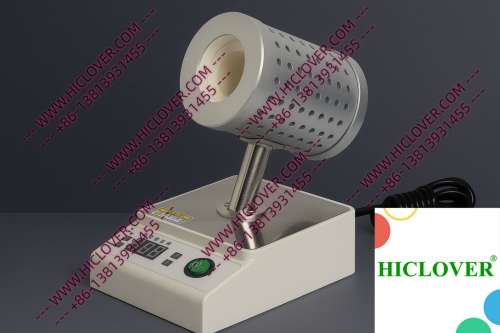
Micro incinerators operate on the principle of rapid thermal sterilization through infrared heat generation. Unlike conventional flame sterilizers, which can produce soot and hazardous fumes, the micro incinerator utilizes an enclosed ceramic heating chamber. This design ensures high-temperature disinfection with minimal environmental impact—offering a clean, aerosol-free handling environment that is ideal for sensitive laboratory settings.
- Infrared Heating: Enables rapid heating of inoculating loops and other tools.
- Compact Design: Space-saving and portable, suitable for varied laboratory setups.
- Efficient Sterilization: Achieves sterilization in under 10 seconds.
- User-Friendly: Minimal training required for lab personnel.
- Why choose a micro incinerator over a Bunsen burner? The micro incinerator provides a safer, faster, and more environmentally friendly sterilization method.
- Can a micro incinerator be used in BSL-3 labs? Yes, it meets safety requirements suitable for high-containment laboratories.
- What maintenance is required for a micro incinerator? Regular checks of the heating element and cleaning the exterior are recommended to ensure optimal performance.
- Is the micro incinerator energy efficient? Yes, it reduces energy consumption compared to alternative flame-based options.
- How does the micro incinerator contribute to sustainability? It effectively converts biological waste into energy, minimizing environmental impact.
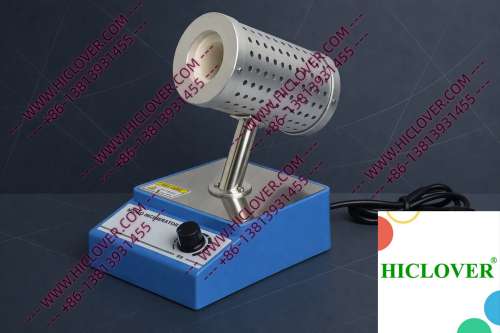
Real-World Applications in Laboratory Settings
Micro incinerators find extensive applications across various laboratory environments. Here are two notable scenarios:
Application Scenario 1: University Teaching Labs
In university microbiology courses, professors emphasize the importance of sterilization techniques. A micro incinerator, placed within a biosafety cabinet, serves as an excellent teaching tool. It allows students to safely practice sterile techniques without the risks associated with open flames. The clear visibility of loops being sterilized and the lack of fumes enhance the learning experience and ensure compliance with lab standards.
Application Scenario 2: Mobile Field Research Labs
For field testing, especially in remote locations, the necessity for effective sterilization methods becomes paramount. The micro incinerator’s lightweight design and battery-operated options offer researchers an opportunity to perform aerosol-free handling of samples in varying environments. By using this equipment, researchers can not only ensure contamination control but also aid in sustainable environmental practices by converting waste material into energy, thereby supporting their field study objectives.
Compliance and Environmental Considerations
Laboratories worldwide are mandated to comply with rigorous biosafety standards set forth by organizations such as the World Health Organization (WHO). These standards aim to promote safe laboratory practices that mitigate the risk of spreadable contaminants. The micro incinerator aligns with these compliance goals effectively. With no open flame, it is safe to use in clean benches and laboratories classified as BSL-2 or BSL-3. Compared to traditional methods, the micro incinerator is suitable for cleanroom operations where flame usage is strictly prohibited.
The micro incinerator not only complies with lab sterilization standards but also reduces the risk of hazardous incidents related to open flames.
Micro Incinerator vs. Traditional Flame Sterilizers
| Feature | Micro Incinerator | Flame Sterilizers |
|---|---|---|
| Heating Method | Infrared Energy | Flame |
| Safety | Low Risk | High Risk |
| Environmental Impact | Minimal | Carbon Emissions |
| Speed of Sterilization | Less than 10 seconds | Variable |
| Portability | High | Low |
FAQs about Micro Incinerators
Conclusion
As laboratories continue to evolve, the need for efficient and safe sterilization methods becomes more pronounced. Micro incinerators represent a significant leap forward in laboratory safety and operational efficiency. By eliminating the risks associated with traditional flame sterilizers, they help laboratories comply with stringent biosafety standards while promoting eco-friendly practices. If you are seeking high-quality micro incinerators for your laboratory needs, do not hesitate to contact us or explore our offerings—we are here to support your research goals!
Categories:
Tags: