
In today’s scientific landscape, laboratory biosafety and sterilization workflow efficiency present ongoing challenges. Laboratories must maintain strict contamination control while ensuring rapid sterilization methods for various instruments, especially in water quality analysis. Traditional flame sterilizers, like Bunsen burners and alcohol lamps, are notorious for their inefficiencies and potential hazards, especially in settings where clean air environments must be preserved. Enter the Micro Incinerator, an infrared inoculating loop sterilizer that promises to meet these demands with precision and reliability.
The Technical Principle Behind Micro Incinerators
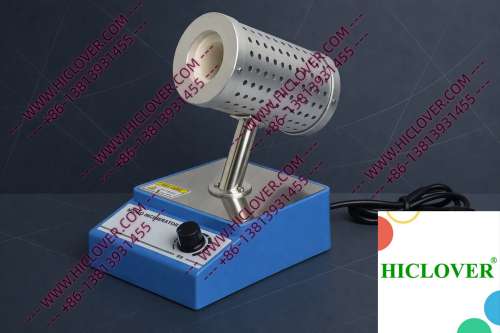
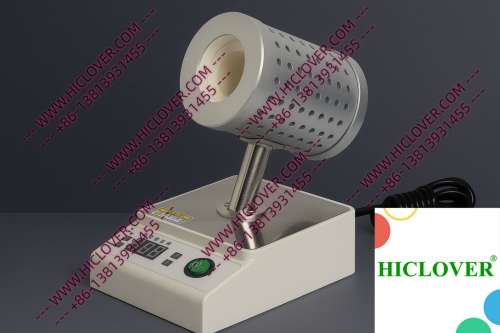
The Micro Incinerator operates through a unique infrared heating method, utilizing a ceramic heating chamber that provides high-temperature disinfection without producing harmful aerosols or flames. Unlike traditional sterilizers, the device encapsulates the heating element in a closed tube, ensuring a controlled environment for thermal sterilization. The infrared heat penetrates the inoculating loop or other tools rapidly, leading to quick and efficient sterilization that is critical in maintaining the integrity of water quality samples.
Comparison Table: Micro Incinerator vs. Traditional Flame Sterilizers
| Feature | Micro Incinerator | Flame Sterilizers |
|---|---|---|
| Heat Generation | Infrared heat, enclosed ceramic tube | Open flame |
| Contamination Control | Aerosol-free handling | Risk of airborne particles |
| Safety | Clean-bench-safe, no flame | Fire hazards, potential burns |
| Speed of Sterilization | Rapid thermal sterilization | Variable, slower |
| Certificate Compliance | Meets WHO biosafety standards | Variable compliance |
Application Scenarios in Real Laboratories
Micro Incinerators are not just theoretical devices; they have significant practical applications across multiple laboratory environments.
1. Biosafety Cabinet Operations
In BSL-2 and BSL-3 microbiology labs where contamination risks are high, the Micro Incinerator can be seamlessly integrated into biosafety cabinet operations. Users can sterilize inoculating loops or tools without exposing the workspace to open flames, thus preserving the sterile environment crucial for the reliable analysis of water samples. The microwave control systems allow researchers to maintain efficiency while adhering to strict biosafety regulations.
2. Mobile and Field Testing Labs
Field testing scenarios often lack the conveniences of traditional labs, including stable electrical supplies and controlled environments. In such conditions, the portability and efficiency of the Micro Incinerator make it invaluable. Researchers can perform rapid sterilization in environments that are less than ideal, ensuring that collected water samples remain uncontaminated until brought back to the lab for analysis.
Biosafety and Compliance Considerations
Compliance with WHO biosafety standards and laboratory sterilization policies is paramount. Using a Micro Incinerator not only addresses immediate contamination control needs but also aligns with guidelines for safe laboratory practices. With no open flames, this method is explicitly designed for clean environments, reducing the overall risk of fire and contamination, especially pertinent in clean rooms and modern laboratories.
- WHO Biosafety Levels: Ensure compliance with international biosecurity measures.
- Lab Sterilization Standards: Meet or exceed standards set by relevant authorities.
- No Flame Protocol: Vital for environments like CO₂ incubators and anaerobic chambers.
Frequently Asked Questions (FAQs)
1. How does the Micro Incinerator improve laboratory safety?
The Micro Incinerator eliminates the risks associated with open flames, enhancing safety in labs where contamination must be controlled and reducing the chance of fire hazards.
2. What is the average sterilization time for the Micro Incinerator?
The device offers rapid thermal sterilization, typically sterilizing an inoculating loop in under 5 seconds.
3. Can the Micro Incinerator be used in field tests?
Yes, its portable design allows it to be effectively used in various field testing environments, providing critical sterilization at the point of sample collection.
4. Is the Micro Incinerator compliant with global lab standards?
Absolutely. It adheres to WHO biosafety and other relevant laboratory sterilization standards, making it suitable for various laboratory applications.
5. How does it compare to traditional sterilization methods?
Unlike traditional methods like Bunsen burners, the Micro Incinerator offers aerosol-free handling, faster sterilization times, and enhanced safety, making it a preferred choice in modern labs.
Conclusion: Elevate Your Laboratory Practices Today
The Micro Incinerator signifies a paradigm shift in laboratory sterilization practices, particularly for tasks involving water quality analysis. By minimizing contamination risks, maximizing safety, and meeting regulatory standards, it stands out as a superior alternative to traditional flame sterilizers. Elevate your laboratory operations and contact us today to learn more about integrating the Micro Incinerator into your workflow!