
In the world of laboratory biosafety, sterilization workflow demands are continually evolving, driven by the need for high-efficiency, contamination control, and rapid thermal sterilization methods. Traditional flame sterilizers like alcohol lamps and Bunsen burners present numerous challenges, including the risk of aerosol generation and exposure to open flames. In contrast, technologies such as the Micro Incinerator, also known as the Infrared Inoculating Loop Sterilizer, are emerging as game changers in laboratory settings.
Technical Principles of Micro Incinerators
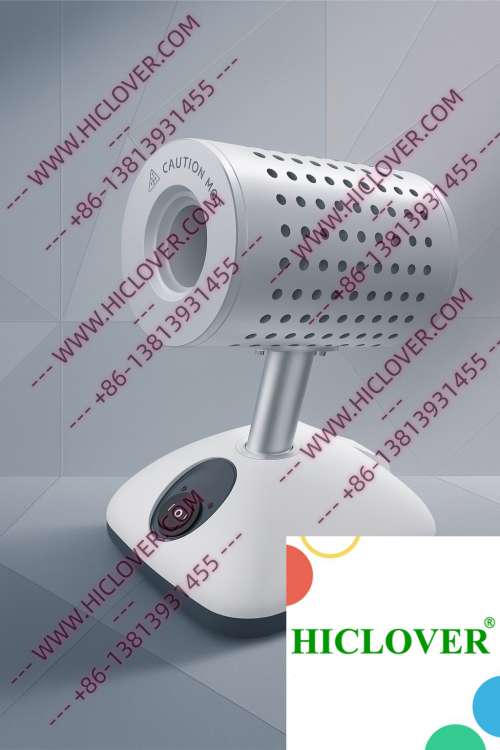
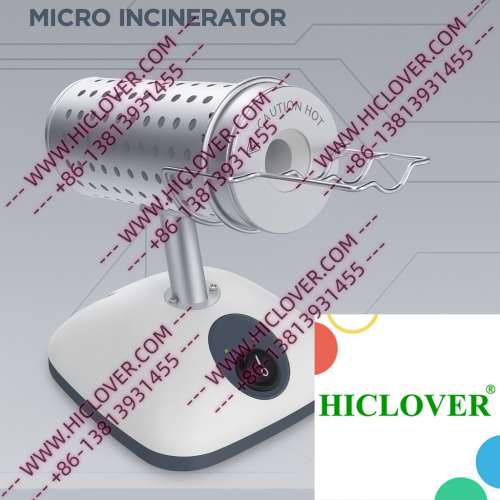
The core technology behind a Micro Incinerator revolves around its infrared heating system. This sterilizer utilizes a ceramic heating chamber to produce a focused beam of infrared heat, capable of reaching temperatures exceeding 800°C (1472°F). This high-temperature disinfection technique is effective at rapidly incinerating organic materials on inoculating loops, needles, and other laboratory implements. The enclosed design significantly minimizes the chances of contamination, as it prevents any potential aerosolization from escaping into the laboratory environment.
Unlike traditional flame sterilizers, which require a steady supply of flammable gas and an open flame that may not be suitable for cleanroom environments, the Micro Incinerator offers a clean-bench-safe alternative. Its compact size and portability make it ideal for various applications, including clinical diagnostics, field testing, and academic laboratories.
Applications in Real Labs
- Biosafety Cabinets: In BSL-2 and BSL-3 microbiology labs, the Micro Incinerator is essential for maintaining aseptic conditions within biosafety cabinets. During microbial culture work, lab personnel can sterilize tools quickly without the risks associated with flames. The stepwise workflow becomes more efficient, allowing researchers to focus on their experiments without worrying about potential contamination.
- Teaching Labs: In university settings, the Micro Incinerator serves as an educational tool for students in microbiology courses. Its user-friendly interface allows students to learn proper sterilization techniques while understanding the importance of biosafety compliance. Furthermore, with no flames involved, the risk of accidents is considerably reduced, making it safer for students and instructors alike.
- What is the main advantage of using a Micro Incinerator over traditional methods?
Its efficiency, safety from open flames, and ability to maintain contamination control make it superior for rapid sterilization. - Can the Micro Incinerator be used in field testing scenarios?
Yes, its portability makes it ideal for mobile investigations in remote areas where traditional gas-based sterilizers may not be feasible. - How does the Micro Incinerator comply with WHO standards?
The device meets and often exceeds current laboratory sterilization standards, ensuring safe and effective operation in biosafety environments. - Is the Micro Incinerator suitable for university teaching laboratories?
Absolutely, it provides a safe and educational method for teaching students about sterilization techniques and safety regulations. - What type of maintenance does the Micro Incinerator require?
Regular cleaning of the ceramic heating chamber is essential for optimal performance and longevity of the device.
Compliance and Environmental Considerations
Laboratory sterilization equipment must align with strict guidelines set by organizations such as the World Health Organization (WHO) and various national regulatory bodies. Micro Incinerators meet contemporary lab sterilization standards, making them compliant with biosafety regulations ensuring that laboratories operate within the required hygienic conditions. This is particularly vital in clean rooms, where the absence of open flames is crucial to prevent ignition hazards and maintain room integrity.
The Micro Incinerator’s design inherently reduces the generation of harmful aerosols, contributing to a safer laboratory environment. In an age where laboratories face increasing pressure to minimize environmental impacts, adopting such technologies aligns with broader sustainability goals while ensuring effective waste management through pyrolysis.
Advantages Over Traditional Flame Sterilizers
When comparing the Micro Incinerator with traditional flame sterilizers, several advantages become apparent:
| Feature | Micro Incinerator | Flame Sterilizers |
|---|---|---|
| Temperature Control | Rapid thermal sterilization up to 800°C | Variable, often less consistent heating |
| Aerosol Control | Enclosed design prevents aerosolization | Open flame may create aerosols |
| Safety | No open flame, minimizing ignition risks | Potential fire hazards present |
| Portability | Compact and easy to move | Typically larger and less mobile |
| Environmental Impact | Reduces carbon footprint via efficient waste management | Higher carbon emissions and flammability risks |
Frequently Asked Questions (FAQs)
Conclusion
As laboratories navigate the complex landscape of biosafety and sterilization, the transition from traditional flame-based sterilizers to the innovative Micro Incinerator / Infrared Inoculating Loop Sterilizer marks a significant leap forward. Its compact design, safety features, and compliance with sterilization standards make it an invaluable tool in clinical diagnostics, teaching, and research. If you’re ready to enhance your laboratory’s efficiency with cutting-edge sterilization technology, contact us today to explore the Micro Incinerator’s potential for your specific needs.
Categories:
Tags: