
Laboratory biosafety plays an essential role in successful research and development, especially in environments dealing with potentially hazardous biological materials. As labs strive to enhance safety protocols and workflow efficiency, the implementation of advanced sterilization technologies becomes paramount. Among these innovations, the Micro Incinerator and Infrared Inoculating Loop Sterilizer stand out, addressing a myriad of sterilization workflow demands while mitigating contamination risks within the laboratory setting.
Understanding the Technology Behind Micro Incinerators
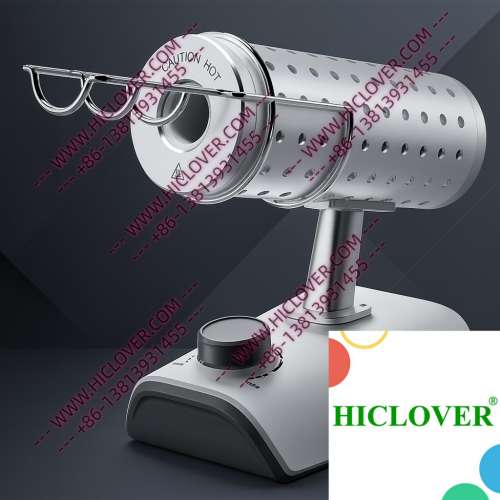
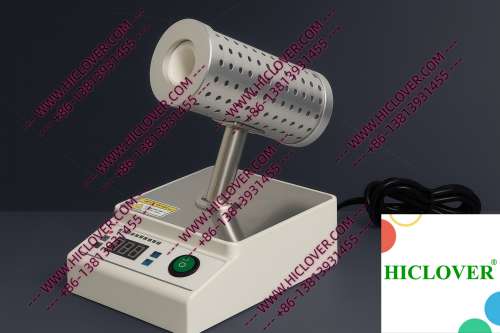
The core principle of the Micro Incinerator revolves around rapid thermal sterilization using an infrared heating mechanism. This innovative device employs an enclosed ceramic tube that generates incredibly high temperatures, facilitating efficient and effective sterilization of inoculating loops and other laboratory instruments. Unlike traditional flame sterilizers, which rely on open flames, the Micro Incinerator offers a clean-bench-safe design ensuring that the sterile environment remains intact.
The advantages of this technology are clear. Its infrared high-temperature disinfection capacity enables quick turnaround times for sterilization, making it a vital tool in busy labs. Additionally, its compact design cultivates a user-friendly experience, allowing researchers to focus on their work without the concerns associated with flame-based units.
Applications of Micro Incinerators in Real Labs
Incorporating advanced sterilization technology into laboratory workflows significantly enhances safety and efficiency.
1. BSL-2 / BSL-3 Microbiology Labs
In BSL-2 and BSL-3 clinical diagnostics labs, the Micro Incinerator is pivotal in maintaining strict protocols against contamination. The device is particularly valuable when working under biosafety cabinets, where the utmost control of aerosols and potential contaminants is crucial. By using the Micro Incinerator to sterilize inoculating loops, researchers can minimize the risk of cross-contamination and streamline their lab processes, ultimately enhancing research integrity.
2. University Teaching Labs
In educational settings, such as university teaching labs, the Micro Incinerator provides an ideal solution for student learning and experimentation in microbiology. Traditional flame sterilizers like Bunsen burners can pose safety hazards, especially for novice users. The Micro Incinerator, with its enclosed heating system, eliminates these risks while enabling students to adhere to proper sterilization techniques confidently. This safer alternative ensures that students focus on their scientific learning without the distractions of managing an open flame.
Compliance with Laboratory Sterilization Standards
With the increasing emphasis on biosafety standards, adherence to regulations set forth by the World Health Organization (WHO) and local governmental bodies is no longer optional. Compliance with lab sterilization standards mandates robust protocols to ensure safe handling and processing of biological materials.
- The sterile handling of instruments must be free of flame in clean rooms.
- All sterilization equipment must meet biosafety guidelines, reducing aerosol production.
- Adopting non-flame devices like the Micro Incinerator aligns with modern laboratory health and safety practices.
By investing in a Micro Incinerator, laboratories can easily meet these stringent compliance requirements while improving workplace safety. In regions like Europe and North America, where biosafety regulations are particularly rigorous, the adoption of the Micro Incinerator is not just beneficial but essential.
Benefits of Micro Incinerators vs. Traditional Flame Sterilizers
| Feature | Micro Incinerator | Traditional Flame Sterilizer |
|---|---|---|
| Contamination Control | Minimized aerosol production | Higher risk of contamination |
| Efficiency | Rapid thermal sterilization | Time-consuming setup |
| Safety | Clean-bench-safe, no open flames | Open flame can pose hazards |
| Ease of Use | Simple one-button operation | Requires skill to manage flame |
Frequently Asked Questions
What are the advantages of micro incinerators over traditional methods?
Micro incinerators offer several advantages, including enhanced safety due to their enclosed design, rapid sterilization times, and lower risk of contamination associated with open flames.
Are micro incinerators compliant with international sterilization standards?
Yes, micro incinerators meet and often exceed the biosafety and sterilization standards set forth by organizations such as the WHO, making them suitable for various laboratory environments.
Can micro incinerators be used in field testing labs?
Yes, their compact size and efficient sterilization capabilities make micro incinerators ideal for use in mobile or field testing laboratories.
How do I maintain a micro incinerator to ensure optimal performance?
Regular cleaning of the heating chamber and ensuring it is free from contaminants is crucial for maintaining the optimal performance of the micro incinerator.
What is the lifecycle cost of using a micro incinerator?
While the initial investment may be higher compared to traditional flames, the overall lifecycle cost is significantly reduced due to less maintenance and lower risk of contamination-related losses.
Conclusion
Adopting advanced sterilization technology like the Micro Incinerator is more than just a smart move for laboratory efficiency; it is a significant step toward enhancing biosafety. With their ability to meet strict compliance standards and provide rapid thermal sterilization without the hazards of open flames, micro incinerators are paving the way for safer, more efficient lab practices. For labs looking to innovate and future-proof their operations, investing in a high-quality Micro Incinerator is an essential leap forward. Don’t hesitate to contact us today to learn more about how we can help enhance your laboratory’s sterilization processes.
Categories:
Tags: