
In today’s pharmaceutical landscape, achieving zero waste while maintaining rigorous biosafety standards presents unique challenges for laboratories. With a shift towards sustainability, laboratories are under increasing pressure to adopt innovative sterilization methods that not only meet stringent safety regulations but also minimize environmental impact. Enter the Micro Incinerator or Infrared Inoculating Loop Sterilizer—an effective solution that enhances laboratory sterilization workflows.
Understanding the Micro Incinerator
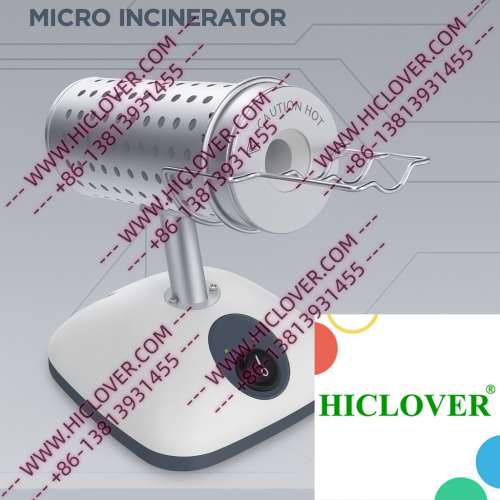
The Micro Incinerator employs infrared heat in an enclosed ceramic tube, enabling rapid thermal sterilization that is both safe and effective. Unlike traditional flame sterilizers, which pose contamination risk and generate aerosols, the Micro Incinerator offers a clean-bench-safe operation. Its advanced technology allows for high-temperature disinfection without the associated risks of flames or hazardous fumes, making it a superior tool for contamination control.
Technical Principles of the Micro Incinerator
Utilizing a ceramic heating chamber, the Micro Incinerator achieves temperatures of around 850°C, which facilitates the rapid destruction of microorganisms, including bacteria, viruses, and spores. This infrared high-temperature disinfection allows for precision sterilization of inoculating loops, needles, and glassware, further ensuring the integrity of laboratory processes.
Applications in Real Laboratories
In the dynamic environment of laboratories, the Micro Incinerator is versatile and effective across different settings:
1. Biosafety Cabinets
In BSL-2 and BSL-3 microbiology labs, maintaining strict biosafety protocols is paramount. The Micro Incinerator provides quick sterilization inside biosafety cabinets, ensuring that all tools are devoid of pathogens before they come into contact with sensitive samples. This enhances workflow efficiency by minimizing the time spent on sterilization without compromising safety.
2. Teaching Labs
In university teaching labs, where students work with live cultures, the Micro Incinerator encourages best practices in biosafety. Students can practice aseptic techniques safely and effectively while using this device, allowing educators to focus on teaching without worrying about flame hazards. This further engrains the importance of proper sterilization techniques in future scientists.
Compliance and Environmental Sustainability
Compliance with international biosafety standards is a crucial consideration for labs worldwide. The World Health Organization (WHO) and national regulatory bodies provide guidelines that emphasize safe handling and disposal of biohazardous materials. Traditional flame sterilizers can introduce risks, particularly in clean rooms where no flames are permitted.
By employing the Micro Incinerator, laboratories not only comply with these standards but also contribute to environmental sustainability. The device’s enclosed system minimizes carbon emissions and waste, aligning with global movements towards green practices in scientific research.
Advantages of Micro Incinerators Over Traditional Flame Sterilizers
When considering sterilization equipment, laboratories often weigh the pros and cons of different methods. Below is a comparison of the Micro Incinerator versus traditional flame burners:
| Feature | Micro Incinerator | Flame Burners |
|---|---|---|
| Safety | No open flames, reducing burn and contamination risks | Open flames, posing risks of burns and combustion of materials |
| Efficiency | Rapid thermal sterilization with precise control | Slower and less consistent heating |
| Environmental Impact | Low emissions, contributing towards zero waste goals | Higher emissions, contributing to carbon footprint |
| Usability | Clean-bench-safe operation | Can produce dangerous aerosols in sterile environments |
Frequently Asked Questions
- How does the Micro Incinerator improve laboratory safety?
The Micro Incinerator provides a flame-free sterilization method that significantly reduces the risk of burns and fire hazards associated with traditional flame sterilizers.
- Can the Micro Incinerator be used in field testing?
Yes, its portable design makes it suitable for mobile or field testing labs where rapid and safe sterilization is necessary.
- What is the temperature range of the Micro Incinerator?
The Micro Incinerator reaches temperatures up to 850°C, allowing for effective sterilization of various laboratory equipment.
- Is the Micro Incinerator compliant with international biosafety standards?
Yes, it meets WHO and other regulatory guidelines for laboratory sterilization equipment.
- What are the advantages of pressing a switch versus lighting a flame?
The Micro Incinerator allows for instant sterilization with a simple button press, significantly reducing preparation time and eliminating risk factors associated with igniting a flame.
Conclusion
In the pursuit of sustainable laboratory practices, the Micro Incinerator stands out as an innovative solution that not only enhances biosafety but also supports environmental stewardship. Its rapid thermal sterilization, clean-bench-safe operation, and compliance with international standards make it an invaluable tool for laboratories aiming for a zero-waste approach.
For distributors, hospitals, and educational institutions looking to enhance their sterilization protocols while promoting sustainability, consider integrating the Micro Incinerator into your workflow. Contact us today to learn more about how our products can elevate your laboratory practices.
Categories:
Tags: