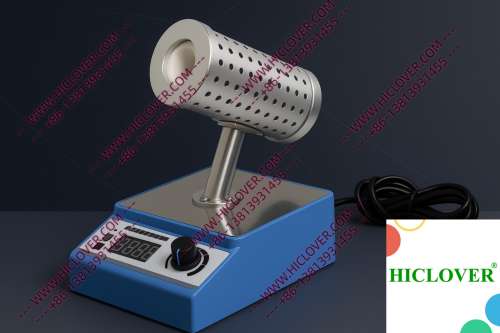
In today’s laboratory environments, controlling biosafety and maintaining sterile conditions remain paramount challenges faced by scientists and researchers. Traditional methods of sterilization, such as alcohol lamps and Bunsen burners, while familiar, pose numerous risks including open flames, aerosol formation, and potential contamination. As laboratories across Ghana aim for greater biosafety standards, the adoption of advanced sterilization technologies, particularly the Micro Incinerator or Infrared Inoculating Loop Sterilizer, is proving essential.
Understanding the Micro Incinerator Technology
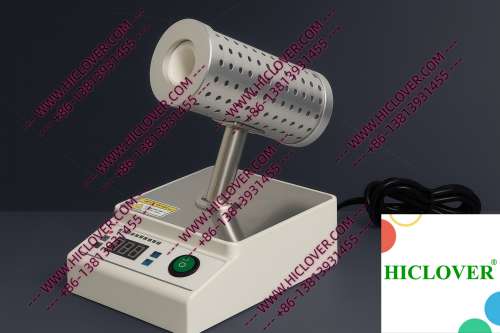
The Micro Incinerator operates on the principle of rapid thermal sterilization, utilizing infrared heat generated inside an enclosed ceramic tube. This innovative design enables it to achieve high temperatures quickly—typically up to 800 °C—allowing for the efficient disinfection of inoculating loops, needles, and other small tools used in laboratory settings.
Unlike traditional flame sterilizers, which can release harmful aerosols and create combustion risks, the Micro Incinerator provides a clean-bench-safe environment for sterilization, ensuring that the surrounding work area remains uncontaminated.
Key Features of the Micro Incinerator
- Safety: Flame-free operation reduces risks associated with open flames.
- Efficiency: Rapid heating time, usually within seconds, drastically improves workflow.
- Ease of Use: Simple design allows for intuitive operation.
- Portability: Lightweight construction facilitates easy movement between labs.
- Durability: Built with high-quality materials, ensuring long-lasting performance.
Application Scenarios in Laboratories
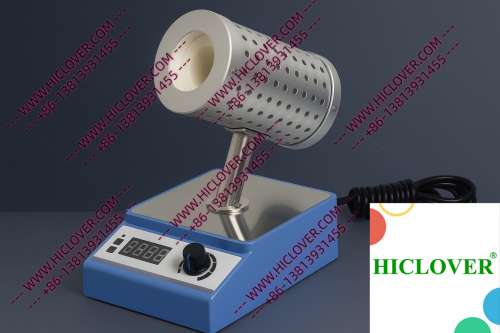
Micro Incinerators have found critical applications in various laboratory settings, such as
Biosafety Cabinets
In BSL-2 and BSL-3 microbiology labs, safety and contamination control are essential. The Micro Incinerator is often integrated into biosafety cabinets, where it can effectively sterilize instruments without introducing any flame or potential contaminants into the work environment. This not only ensures compliance with operational biosafety guidelines but also enhances the speed and efficiency of laboratory workflows.
Field Testing Labs
Mobile or field testing labs also benefit from incorporating Micro Incinerators. In remote regions or during outbreak responses, having the ability to sterilize instruments on-site prevents further contamination and allows researchers to maintain their work’s integrity. The robustness and portability of these sterilizers make them ideal for such settings.
Compliance and Environmental Considerations
Adhering to the World Health Organization (WHO) biosafety and laboratory sterilization standards is imperative for labs in Ghana as they strive to improve health outcomes. The use of flame-based sterilizers in clean environments can lead to safety violations due to the risk of fire hazards and the potential for aerosolized pathogens. The Micro Incinerator meets compliance standards by providing a sterilization method that minimizes these risks while ensuring high-level disinfection, making it a vital asset in clinical diagnostics and educational laboratories alike.
Table: Micro Incinerator vs. Traditional Flame Sterilizers
| Feature | Micro Incinerator | Traditional Flame Sterilizers |
|---|---|---|
| Operation Type | Flame-free, infrared heat | Open flame |
| Safety Level | High (no flames, aerosol-free) | Moderate (risk of fire and aerosols) |
| Time to Sterilize | Seconds | Varies (typically higher) |
| Usability in Clean Rooms | Ideal | Limited |
FAQs
What is a Micro Incinerator?
A Micro Incinerator is a sterilization device that utilizes infrared heat within a ceramic tube to disinfect inoculating loops, needles, and small laboratory instruments safely and efficiently.
Are Micro Incinerators safe to use in laboratory settings?
Yes, Micro Incinerators are designed to be safe for laboratory environments. They operate without open flames, reducing risks associated with traditional sterilization methods.
What are the advantages of using a Micro Incinerator compared to a Bunsen burner?
Micro Incinerators offer several advantages, including quicker sterilization times, reduced contamination risk, and enhanced safety due to flame-free operation.
Can I use a Micro Incinerator in field testing?
Absolutely! The portability and efficiency of Micro Incinerators make them ideal for use in mobile or field testing laboratories, where safe sterilization is crucial.
What are the compliance standards for laboratory sterilization?
Compliance standards vary by region but typically include WHO biosafety guidelines and equipment standards that emphasize sterilization efficacy, safety, and environmental considerations.
Conclusion
As Ghana’s laboratories continue to seek safer, more efficient methods for waste sterilization and contamination control, the Micro Incinerator stands out as a robust solution. Its innovative design and technology not only align with current biosafety standards but also significantly improve laboratory workflows and safety protocols. Explore the potential of incorporating Micro Incinerators into your sterilization practices today and contact us for more information or to make a purchase.
Categories:
Tags: