
In today’s laboratories, the demand for effective biosafety measures is paramount. As research environments strive to maintain the highest standards of contamination control, the traditional flame sterilizers such as Bunsen burners and alcohol lamps are witnessing a decline in use. The emergence of touch-free sterilization systems, notably the Micro Incinerator or Infrared Inoculating Loop Sterilizer, is rapidly redefining laboratory sterilization workflows.
Laboratory Biosafety Challenges and Demands
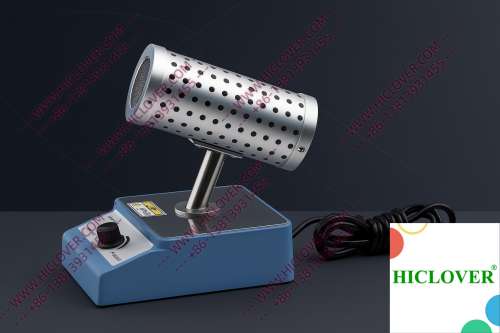
Laboratories face numerous biosafety challenges, particularly in controlling contamination during microbial manipulation. The introduction of more complex procedures and the handling of hazardous microorganisms necessitate safer and more efficient sterilization techniques. Researchers are seeking solutions that minimize risks, improve workflow efficiency, and adhere to stringent safety standards.
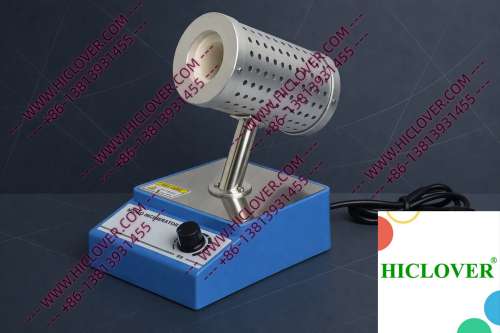
The Micro Incinerator is engineered to rise to these challenges. Unlike traditional flame sterilizers, it provides rapid thermal sterilization in a compact and enclosed design, significantly reducing the risk of fire hazards and chemical exposure. The infrared high-temperature disinfection process ensures that inoculating loops and other tools are sterilized effectively without aerosol generation, protecting both the user and the surrounding environment.
Technical Principles of Touch-Free Sterilization
The Micro Incinerator operates on the principle of infrared heat, utilizing a ceramic heating chamber to produce consistent, high temperatures that quickly and effectively eradicate microbial life. The enclosed ceramic tube design ensures safety and prevents heat loss, making the device highly efficient. With precise temperature control, it guarantees rapid sterilization, which is critical in high-throughput laboratory settings.
Applications in Real Laboratory Scenarios
1. Biosafety Cabinets: In BSL-2 and BSL-3 labs, where working with pathogenic microorganisms is routine, the Micro Incinerator can be seamlessly integrated into biosafety cabinets. Its ability to provide flame-free sterilization without the risk of creating aerosols makes it ideal for sensitive work environments, ensuring compliance with safety regulations while enhancing operational workflows.
2. Teaching Labs: University laboratories that teach microbiology to students benefit significantly from touch-free sterilizers. The Micro Incinerator not only minimizes safety concerns related to open flames but also simplifies the learning process. Students can focus on mastering techniques without the added worry of potential hazards associated with traditional flame sterilizers.
Compliance and Environmental Considerations
Regulatory bodies, including the World Health Organization (WHO), emphasize stringent biosafety standards in laboratory environments. Compliance with laboratory sterilization standards is essential for preventing contamination and ensuring the safety of laboratory personnel. The use of flame in cleanrooms is typically restricted due to the risks associated with fire and the potential for introducing contaminants into controlled environments.
The Micro Incinerator aligns with these regulatory expectations, providing a safe alternative that meets the demands for sterilization in various laboratory settings. Its application in workflows not only adheres to safety protocols but also reinforces environmental protection by minimizing emissions and waste associated with traditional sterilization methods.
Comparison: Micro Incinerator vs. Flame Burners
| Feature | Micro Incinerator | Flame Burners |
|---|---|---|
| Flame-Free Operation | ✔ | X |
| Rapid Thermal Sterilization | ✔ | X |
| Risk of Contamination | Low | High |
| Space Requirement | Compact | Bulky |
| Ease of Use | Simple touch-free | Requires manual handling |
Frequently Asked Questions
- What is a Micro Incinerator?
A Micro Incinerator is an infrared inoculating loop sterilizer designed for rapid and efficient sterilization of laboratory tools without the use of open flames.
- How does an infrared sterilizer improve safety?
Infrared sterilizers operate without flames, significantly reducing the risk of fire and chemical exposure, making them safer for laboratory use.
- Why should I consider moving from traditional flame sterilizers?
Micro Incinerators provide faster sterilization, lower contamination risk, and are more user-friendly, enhancing overall laboratory safety and efficiency.
- Can the Micro Incinerator be used in a biosafety cabinet?
Yes, it is designed to fit within biosafety cabinets, making it ideal for pathogen work while ensuring adherence to safety protocols.
- What are the environmental advantages of using touch-free sterilizers?
Touch-free sterilizers like the Micro Incinerator minimize emissions and waste, contributing to a cleaner laboratory environment.
Conclusion: The Future of Laboratory Sterilization
The shift towards touch-free lab sterilizers, especially the Micro Incinerator, represents a significant advancement in modern research environments. As biosafety and efficiency continue to be critical factors in laboratory operations, the adoption of these innovative solutions will likely grow. For organizations looking to improve their sterilization practices, investing in a Micro Incinerator not only enhances safety and compliance but also modernizes the laboratory sterilization workflow.
If you are interested in upgrading your laboratory sterilization equipment to align with the latest safety standards and improve efficiency, feel free to reach out for more information. The future of laboratory safety is hands-free.
Categories:
Tags: