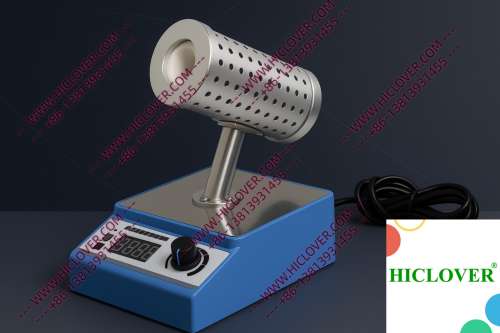
In modern laboratories, especially biosafety level (BSL-2 and BSL-3) environments, the challenges of maintaining contamination control and efficient workflow are paramount. The need for rapid sterilization methods that fit within compact spaces has never been more pressing. Traditional sterilization equipment, often bulky and requiring more manual input, presents workflows that can hinder a lab’s efficiency. This is where compact laboratory sterilizers like the Micro Incinerator or Infrared Inoculating Loop Sterilizer come into play, providing a solution uniquely tailored to meet these demands.
Understanding the Technical Principles
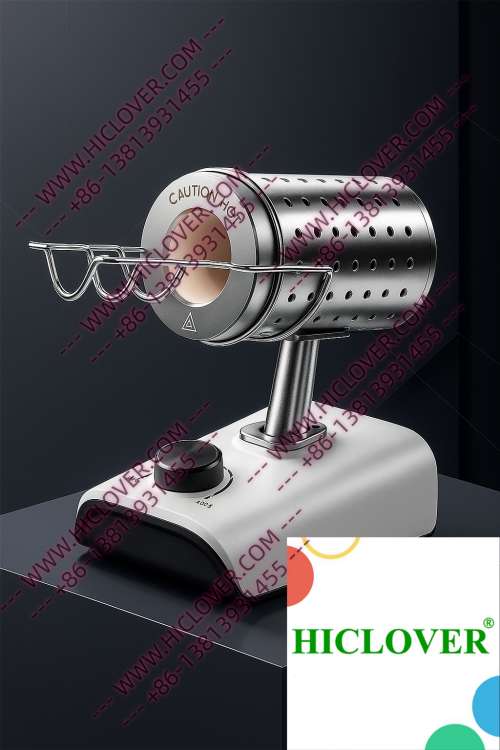
Micro Incinerators utilize infrared heat to achieve rapid thermal sterilization. The core of the unit showcases an enclosed ceramic heating chamber designed to reach temperatures exceeding 800°C in seconds. This high-temperature disinfection method effectively eliminates biohazardous materials without the harmful byproducts or flames associated with traditional sterilization methods.
In contrast to flame sterilizers like alcohol lamps or Bunsen burners, which can pose risks of aerosol generation and require more significant safety measures, the Micro Incinerator allows for clean-bench-safe operations. The equipment’s design aids in effective microbial decontamination while minimizing the risk of contamination due to its enclosed operation.
Application Scenarios in Real Labs
- Biosafety Cabinet Operations: Within BSL-2 and BSL-3 labs, where the risk of exposure is high, Micro Incinerators are often utilized in biosafety cabinets. Their compact size allows them to fit seamlessly into these controlled environments, providing rapid sterilization of inoculating loops and other small instruments without introducing the hazards associated with open flames.
- Field Testing Laboratories: For mobile testing labs deployed in the field, especially in remote locations, the need for portable and efficient sterilization solutions is crucial. The Micro Incinerator’s lightweight and compact design ensures that field teams can efficiently sterilize their instruments, promoting safety and compliance with international biosafety standards.
- Risk of ignition in flammable environments
- Inconsistent sterilization outcomes due to varying flame temperatures
- Increased emissions and thermal coagulation of biomaterials
- What makes Micro Incinerators safer than traditional flame sterilizers?
The Micro Incinerator’s enclosed design eliminates the risk associated with open flames, reducing the chance of ignition and aerosol generation.
- Can Micro Incinerators be used in outdoor field tests?
Yes, their lightweight and compact design make them ideal for mobile applications, ensuring swift sterilization in field testing environments.
- What is the ideal temperature for sterilization in a Micro Incinerator?
The device can reach temperatures upwards of 800°C, which is effective for rapid microbial decontamination.
- Are Micro Incinerators compliant with international biosafety standards?
Yes, they are designed to meet various biosafety guidelines, including those set by the WHO and other regulatory bodies.
- How does the Micro Incinerator improve laboratory workflow?
The rapid sterilization process reduces downtime and enhances efficiency, allowing researchers to focus more on experiments and less on sterilization procedures.
Compliance with Biosafety Standards
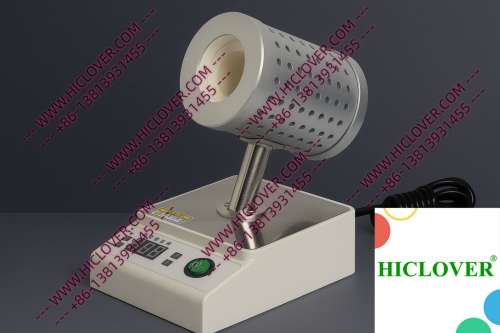
Adhering to biosafety regulations is critical in laboratory environments. Organizations such as the World Health Organization (WHO) and other regulatory bodies provide guidelines that emphasize the importance of safe sterilization methods to prevent pathogen transmission. Micro Incinerators align with these requirements as they eliminate flames—a critical factor in cleanroom operations where generation of aerosols must be avoided.
Further etching out compliance, traditional flame sterilization practices can pose several challenges, including:
For labs operating under stringent decontamination protocols, the Micro Incinerator’s design presents a safer option, enabling compliance with various laboratory sterilization standards.
Advantages of Micro Incinerators Over Traditional Flame Sterilizers
Comparison Table: Micro Incinerator vs. Traditional Flame Sterilizers
| Feature | Micro Incinerator | Traditional Flame Sterilizer |
|---|---|---|
| Portability | Highly portable and compact | Bulky and less portable |
| Safety | No open flame, low aerosol risk | Open flame, higher aerosol risk |
| Efficiency | Instant high-temperature disinfection | Variable effectiveness, flame dependent |
| Environmental Compliance | Meets strict lab standards | Often requires additional safety measures |
Fulfilling the Market Needs of Diverse Laboratories
As universities innovate their teaching curricula to emphasize biosafety in laboratory exercises, and hospitals seek to implement tighter infection control measures, the demand for effective sterilization solutions grows. Compact laboratory sterilizers are hence becoming essential. Their ability to optimize workflows while ensuring complete sterilization creates an imperative for laboratories aiming to stay at the forefront of scientific research and clinical diagnostics.
FAQs
Conclusion
Incorporating a Micro Incinerator or Infrared Inoculating Loop Sterilizer into your lab can significantly enhance efficiency while maintaining strict compliance with safety protocols. For laboratories in search of innovative solutions that adhere to biosafety and enhance workflow productivity, this compact sterilization equipment represents a future-focused choice.
Explore the benefits of transitioning to a Micro Incinerator today. Contact us for a consultation or to discuss purchasing options tailored to your lab’s needs!
Categories:
Tags: