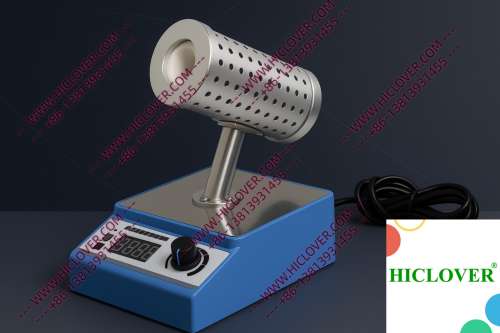
In a country where waste management poses a significant challenge, India is turning to innovative solutions to combat the growing problem of biomedical waste. Laboratories, hospitals, and universities are increasingly relying on cutting-edge technologies to ensure effective sterilization. Among these, Micro Incinerators—specifically the Infrared Inoculating Loop Sterilizer—are emerging as a vital component in maintaining laboratory biosafety standards and enhancing sterilization workflows.
Understanding the Sterilization Workflow Challenges in Laboratories
The primary purpose of sterilization is to eliminate all forms of microbial life, including spores, from laboratory equipment and surfaces. However, traditional methods such as alcohol lamps and Bunsen burners can present several challenges. These include:
- Open Flames: The use of flame creates aerosols, introducing potential contamination into a clean environment.
- Inconsistent Temperatures: Traditional burners may not provide uniform heating, which can lead to inadequate sterilization.
- Hygiene Risks: The combustion byproducts can contaminate the area and pose a health hazard.
With a strong commitment to personal safety, as well as environmental consciousness, the scientific community has begun adopting more sophisticated sterilization technologies, particularly in settings like BSL-2 and BSL-3 microbiology labs and high-throughput clinical diagnostics.
Technical Principle of Micro Incinerators
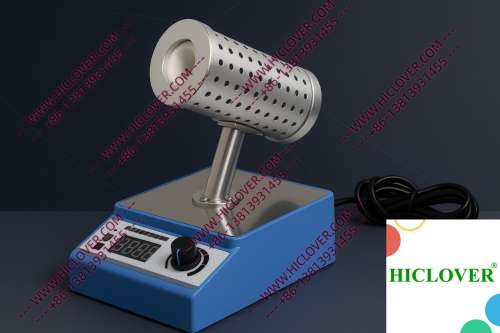
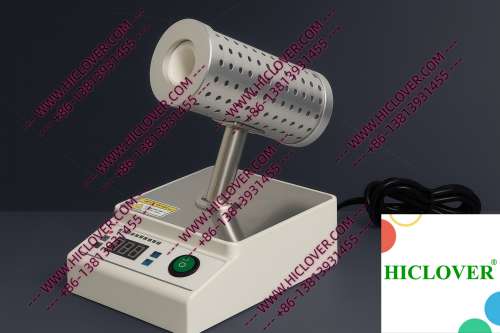
At the core of the Micro Incinerator’s functionality lies infrared heat technology which utilizes a ceramic heating chamber. This enables rapid thermal sterilization without the use of open flames. Key features include:
- Enclosed Ceramic Tube: Offers enhanced temperature consistency and minimizes the risk of contamination.
- High-Temperature Disinfection: Reaches temperatures suitable for effective sterilization, ensuring the complete killing of pathogens.
- Clean-Bench Safe: Designed specifically to function safely within biosafety cabinets.
The Micro Incinerator is not just a replacement for traditional methods; it represents a shift toward more responsible and effective laboratory practices.
Application Scenarios in Real Labs
1. Teaching Labs
In university teaching labs, students learn under the guidance of expert instructors. Using the Micro Incinerator allows them to observe sterilization in a controlled environment without the hazards associated with flames. Instructors can demonstrate the effectiveness of the equipment, enhancing hands-on learning experiences while maintaining compliance with safety protocols.
2. Field Testing Laboratories
In remote or under-resourced settings, the Micro Incinerator proves invaluable. Field testing labs often lack access to full sterilization facilities. With portable Micro Incinerators, technicians can perform sterilization in situ, ensuring that samples and equipment are safe for handling without returning to a central lab. This not only streamlines the workflow but also enhances safety in testing environments.
Compliance and Environmental Considerations
Compliance with global biosafety standards is paramount for any laboratory. The World Health Organization (WHO) sets forth rigorous guidelines for sterilization and disposal to prevent biosafety risks. The benefits of utilizing Micro Incinerators include:
- Meets the stringent WHO biosafety standards for laboratory sterilization.
- Reduces the overall environmental impact by minimizing waste material through efficient incineration.
- Removes the need for harmful chemicals often found in traditional sterilization methods.
In addition, by eliminating open flames within clean rooms and controlled environments, laboratories can maintain a higher level of environmental control and reduce the risk of contaminants being introduced into sensitive experiments.
Comparison: Micro Incinerators vs. Traditional Flame Burners
| Feature | Micro Incinerator | Flame Burners |
|---|---|---|
| Sterilization Method | Infrared heat technology | Open flame combustion |
| Temperature Control | Consistent and adjustable | Variable and often unreliable |
| Aerosol Production | None | High risk of aerosolization |
| Environmental Safety | High | Medium to low |
| Portability | Highly portable | Dependent on gas supply |
Frequently Asked Questions (FAQs)
What is the main advantage of using a Micro Incinerator in sterilization processes?
The main advantage is that it eliminates the risks associated with open flame sterilization while providing rapid and effective thermal sterilization.
Can a Micro Incinerator be used in a BSL-3 laboratory?
Yes, Micro Incinerators are designed to meet biosafety requirements and can be safely operated within BSL-3 laboratory settings.
How does infrared heating work in a Micro Incinerator?
Infrared heating utilizes electromagnetic radiation to transfer heat directly to the sterile loop or instrument, enabling faster temperature reaches and uniform heat distribution for effective sterilization.
Is it safe to use a Micro Incinerator in clean rooms?
Absolutely, Micro Incinerators are specifically designed for use in clean rooms as they do not produce harmful aerosols or combustion byproducts.
What makes the Micro Incinerator eco-friendly?
Micro Incinerators facilitate efficient waste incineration with minimal environmental impact, consuming less energy and producing lower emissions compared to traditional methods.
Conclusion
The innovative design and advanced technology behind Micro Incinerators position them as a game changer in India’s ongoing battle against biomedical waste. By adopting these efficient sterilization tools, laboratories, hospitals, and universities can not only enhance biosafety but also embrace a more sustainable future for waste management. If your organization is looking to enhance its sterilization processes through responsibly designed equipment, contact us today to learn more about our Micro Incinerator solutions.
Categories:
Tags: