
In today’s rapidly evolving laboratory environments, the challenges posed by biosafety and sterilization workflows are increasingly demanding. As research and clinical labs strive to enhance safety and efficiency, innovative technologies like the Micro Incinerator, or Infrared Inoculating Loop Sterilizer, have garnered attention. These devices not only promote contamination control but also align with Shanghai’s green initiative aimed at sustainable waste management solutions.
Understanding the Technical Principles
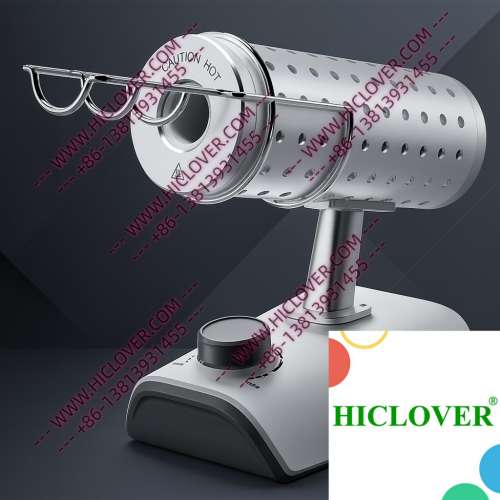
The Micro Incinerator stands out in the arena of laboratory sterilization equipment with its rapid thermal sterilization capabilities. Utilizing infrared heat, this device creates an enclosed ceramic tube environment that reaches high temperatures efficiently. Unlike traditional flame sterilizers, such as alcohol lamps and Bunsen burners, the Micro Incinerator eliminates the risk of flames in clean rooms, drastically reducing potential hazards involving flammable materials.
The operation begins with a simple mechanism: the user inserts inoculating loops or other sterilizable tools into the ceramic heating chamber. The infrared technology ensures uniform heating, killing pathogens rapidly without the emission of harmful aerosols. This technique significantly enhances the efficiency of sterilization processes in laboratories focused on microbiology, especially in BSL-2 and BSL-3 environments.
Applications in Real Laboratories
Biosafety Cabinets
Within biosafety cabinets, the Micro Incinerator serves as an essential tool for sterilizing implements that come in contact with potentially hazardous biological agents. For instance, when conducting experiments with infectious cultures, seamless and sterile handling of tools is paramount. By using a Micro Incinerator, laboratory professionals ensure that all inoculating loops and needles are free from contaminants before beginning any procedures.
Teaching Laboratories
In university teaching labs, especially those focused on microbiological practices, the Micro Incinerator contributes not only to effective sterilization but also eases the learning curve for students. The appliance’s quick and flame-free operation intrigues new learners, allowing them to focus on the science behind sterilization without distractions. Students can quickly sterilize loops and tools without waiting, encouraging a smoother teaching workflow and elevating the overall educational experience.
Compliance with Biosafety Standards
Ensuring compliance with biosafety standards is crucial for any laboratory operation. The World Health Organization (WHO) outlines key requirements for lab sterilization, including minimizing aerosol generation and maintaining a contaminant-free environment. The Micro Incinerator excels in this aspect by eliminating flames that could compromise sterile conditions in clean rooms. Moreover, as environmental regulations become stricter, the focus on sustainable practices becomes inevitable—local authorities in Shanghai advocate for innovative waste reduction techniques in line with their green initiatives.
- WHO Biosafety Guidelines
- ISO 9001 Compliance
- Environmental Protection Standards
- No Flame in Clean Rooms Regulations
Key Advantages Over Traditional Flame Sterilizers
The Micro Incinerator presents several advantages over traditional flame sterilizers:
| Feature | Micro Incinerator | Flame Sterilizer |
|---|---|---|
| Safety | No open flame, reduced fire hazard | Open flame, higher risk |
| Efficiency | Rapid thermal sterilization | Slower heating time |
| Contamination Control | No aerosols generated | Potential aerosol generation |
| Usability | Easy insertion and removal | Requires careful handling |
Frequently Asked Questions
- What is the primary function of a Micro Incinerator?
- The Micro Incinerator is used for rapid and effective sterilization of laboratory instruments, ensuring contamination control without the use of open flames.
- Can the Micro Incinerator be used in field testing scenarios?
- Absolutely! Its portable design makes it ideal for mobile labs, allowing users to perform sterilization in various environments without the need for a steady flame source.
- What are the safety benefits of using an infrared sterilizer compared to traditional methods?
- Using an infrared sterilizer significantly reduces the risk of fire hazards, especially in tight laboratory spaces and clean rooms, where contamination can have dire consequences.
- How does the Micro Incinerator comply with specific biosafety standards?
- It adheres to WHO biosafety guidelines by eliminating aerosol generation and maintaining sterile workspaces free from unnecessary open flames.
- Is training required to use the Micro Incinerator effectively?
- While it is user-friendly and designed for straightforward operation, laboratory personnel should receive basic training on best practices to maximize efficiency and safety.
Conclusion
As Shanghai pioneers the implementation of green initiatives in laboratory settings, adopting cutting-edge technologies like the Micro Incinerator is not merely advantageous—it’s essential. By integrating this remarkable device into your sterilization workflows, you ensure safety, compliance, and sustainability, transforming not only laboratory practices but also contributing to broader environmental efforts.
For more information on acquiring the Micro Incinerator for your laboratory needs, we invite you to contact us. Experience the future of laboratory sterilization and align with green practices today!
Categories:
Tags: