
In the world of laboratory research and educational practices, the need for effective biosafety and sterilization workflows cannot be overstated. Laboratories often face significant challenges in maintaining contamination control, especially in settings such as BSL-2 and BSL-3 microbiology labs, clinical diagnostics, and educational teaching labs. One of the solutions to this pressing need is the integration of modern sterilization equipment such as the Micro Incinerator or Infrared Inoculating Loop Sterilizer.
Understanding the Technical Principles of Infrared Sterilization
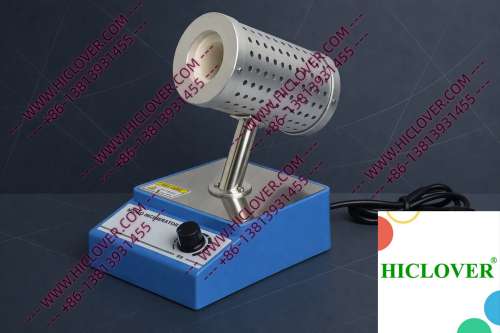
The Micro Incinerator is a state-of-the-art tool that employs infrared heat for rapid and effective thermal sterilization. This method utilizes a ceramic heating chamber that ensures uniform heat distribution, which is essential for achieving high-temperature disinfection without the risk of forcing aerosols into the laboratory environment. Unlike traditional flame sterilizers, such as alcohol lamps and Bunsen burners, infrared sterilizers mitigate safety risks while maintaining a clean workspace.
- Rapid Thermal Sterilization: Delivers results in seconds rather than minutes.
- Aerosol-Free Handling: Prevents bioaerosol generation, ensuring a safer lab environment.
- Clean-Bench-Safe: Suitable for use in cleanrooms and biosafety cabinets.
Application Scenarios in Real Labs
Consider the following application scenarios illustrating the use of the Micro Incinerator:
1. University Teaching Labs
In educational settings, where student safety and learning experiences are paramount, the infrared inoculating loop sterilizer provides an invaluable resource. Students can efficiently sterilize inoculating loops and needles without exposing themselves to open flames, thereby enhancing learning experiences while reducing accidents during practical activities.
2. Mobile Field Testing Labs
During field testing, where laboratory conditions are not feasible, the portability and ease of use of the Micro Incinerator make it an essential tool. Researchers can maintain high biosafety standards in remote locations, ensuring that samples are taken and analyzed without the risk of cross-contamination.
Compliance with Biosafety Standards and Environmental Considerations
When working within the confines of laboratory regulations, adherence to biosafety standards is non-negotiable. The World Health Organization (WHO) outlines critical lab sterilization requirements that must be upheld to prevent contamination and ensure public safety. Traditional flame-based sterilizers are often unsuitable for use in cleanrooms due to their risk of contamination through combustion by-products.
Regional regulations, such as those governed by the FDA or EPA in the United States, emphasize the necessity of maintaining a sterile environment through compliant sterilization practices. Utilizing an environmentally friendly sterilization system like the Micro Incinerator aligns with modern compliance standards while promoting sustainability in laboratory practices.
Advantages of Micro Incinerator vs. Traditional Flame Sterilizers
| Feature | Micro Incinerator | Traditional Flame Sterilizers |
|---|---|---|
| Speed of Sterilization | Seconds | Minutes |
| Aerosol Generation | None | High Risk |
| Ease of Use | Portable and Safe | Tricky and Requires Training |
| Risk of Burns | Minimal | High |
FAQs About Micro Incinerators and Their Use in Laboratory Settings
- What is a Micro Incinerator?
The Micro Incinerator is an infrared loop sterilization device that uses high temperatures for rapid thermal disinfection without flames. - How does the Micro Incinerator improve lab safety?
Its design eliminates the risk of burns and aerosol generation, making it perfect for sensitive environments like cleanrooms. - Where can I use a Micro Incinerator?
It is suitable for educational teaching labs, BSL-2 microbiology labs, and even mobile field testing environments. - Is it compliant with biosafety standards?
Yes, it adheres to WHO biosafety standards and other relevant laboratory sterilization regulations. - How long does it take to sterilize an inoculating loop?
The sterilization process takes only a few seconds, significantly faster than traditional methods.
Conclusion: Embracing Modern Sterilization Techniques in Laboratories
Incorporating loop sterilizers like the Micro Incinerator into the science curriculum is essential to elevate safety, enhance educational experiences, and meet regulatory compliance in laboratory settings. By transitioning from traditional flame sterilizers to advanced infrared technology, educational institutions and research facilities can foster an atmosphere of safety and efficiency.
To learn more about how the Micro Incinerator can benefit your laboratory or educational institution, feel free to contact us for further information or to make a purchase today.
Categories:
Tags: