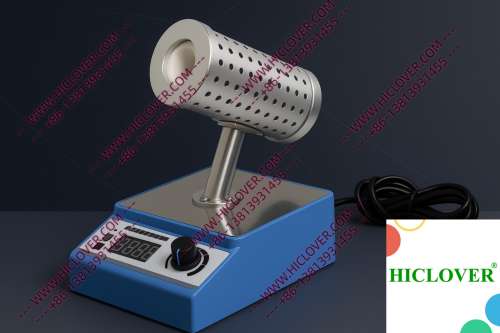
In modern laboratories, maintaining biosafety while ensuring efficient sterilization processes is a critical challenge. Traditional methods like Bunsen burners and alcohol lamps are becoming less favorable due to safety concerns and inefficiencies. The transition to advanced sterilization equipment, such as Micro Incinerators or Infrared Inoculating Loop Sterilizers, represents a significant shift in laboratory workflows, enhancing contamination control while meeting strict compliance standards.
The Science Behind Micro Incinerators
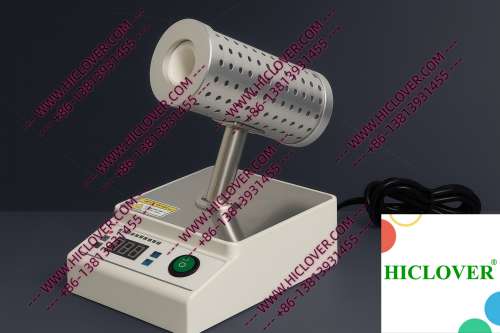
Micro Incinerators operate on the principles of rapid thermal sterilization using infrared heat. The core of these devices features an enclosed ceramic heating chamber that can reach temperatures exceeding 800°C. Unlike open flame techniques, which pose contamination risks through aerosols and soot, the infrared heating technology provides a clean and controlled environment for sterilization. The enclosed design ensures that the heat is concentrated and directed specifically at the inoculating loop or other tools, ensuring effective disinfection without the risk of outside contamination.
Application Scenarios
Biosafety Cabinets
In BSL-2 and BSL-3 microbiology labs, where pathogens are handled, the Micro Incinerator is an invaluable tool. For instance, after manipulating infectious materials, researchers can insert their inoculating loops directly into the sterilizer located inside the biosafety cabinet. This facilitates aerosol-free handling of sterilization tasks, thereby enhancing the safety protocols within the laboratory.
Field Testing Laboratories
Micro Incinerators are also making waves in mobile or field testing environments. For example, during environmental assessments or food safety testing, researchers often find themselves in remote locations where electronic sterilization devices may not be feasible. Portable Micro Incinerators offer a lightweight, efficient alternative, enabling researchers to perform sterilization tasks on-site without needing electricity, effectively reducing their carbon footprint and operational overheads.
Compliance and Environmental Safety Standards
The importance of compliance with biosafety and laboratory sterilization standards cannot be overstated. The World Health Organization (WHO) and national regulatory agencies have established guidelines that labs must adhere to, focusing on the safe management of biohazardous waste and appropriate sterilization practices. For instance, in clean room environments, where sterility is paramount, the use of flame sterilizers is avoided due to the potential for contaminating particles. In contrast, Micro Incinerators, with their enclosed systems and non-flame operation, adhere to these strict regulations, ensuring that laboratory standards are met or exceeded.
Comparing Micro Incinerators and Traditional Flame Sterilizers
| Features | Micro Incinerator | Flame Sterilizers |
|---|---|---|
| Temperature Control | Up to 800°C, precise | Variable, difficult to control |
| Aerosol Generation | None, closed system | High, open flame |
| Power Source | Electric | Gas / Alcohol |
| Portability | Highly portable | Generally stationary |
| Environmental Impact | Lower CO₂ emissions | Higher emissions |
FAQs About Micro Incinerators
- What is a Micro Incinerator? A Micro Incinerator is a compact sterilization device that uses infrared heat to achieve rapid thermal disinfection of laboratory tools.
- How does it differ from traditional flame sterilizers? Unlike flame sterilizers, which generate aerosols and soot, Micro Incinerators offer a clean, controlled method of sterilization without open flames.
- Are Micro Incinerators safe for BSL-2 and BSL-3 laboratories? Yes, Micro Incinerators comply with biosafety standards and are designed to operate safely in high-containment environments.
- Can Micro Incinerators be used in field testing? Absolutely! Their lightweight and portable design makes them ideal for remote locations where electricity may not be available.
- What maintenance is required for Micro Incinerators? Minimal maintenance is needed; regular cleaning of the ceramic heating chamber and electrical components is recommended.
Conclusion
As the landscape of laboratory sterilization continues to evolve, Micro Incinerators are proving to be a game-changer in waste disposal and sterilization workflow efficiency. Their rapid thermal sterilization capabilities not only enhance productivity but also align with stringent biosafety regulations. For laboratories looking to upgrade their sterilization equipment, considering a Micro Incinerator offers both safety and performance advantages compared to traditional methods. For further information or to make a purchase inquiry, don’t hesitate to reach out today!
Categories:
Tags: