
In today’s fast-paced laboratory environment, maintaining stringent biosafety standards while efficiently managing sterilization protocols is a critical challenge. The traditional methods of sterilization, such as using alcohol lamps or Bunsen burners, often present drawbacks like contamination risks, inefficiencies, and operational limitations in strict environments. As laboratories increasingly demand advanced sterilization solutions, compact technologies like the Micro Incinerator / Infrared Inoculating Loop Sterilizer stand out as game-changers, reshaping the future of laboratory procedures.
The Technical Principle Behind the Micro Incinerator
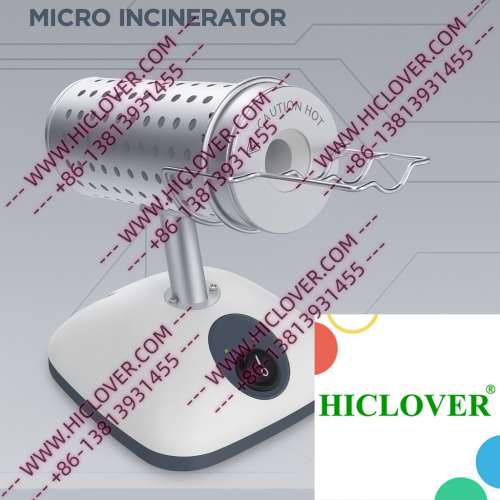
The Micro Incinerator employs cutting-edge infrared heating technology to provide rapid thermal sterilization of inoculating loops and other small implements. Utilizing an enclosed ceramic tube, the device creates an infrared heating chamber that can reach temperatures exceeding 800°C. This design ensures more efficient sterilization that is both quick and highly effective, significantly minimizing the risk of cross-contamination.
In contrast to traditional flame sterilization methods, which can release aerosols and create an unsafe atmosphere, the Micro Incinerator’s compact design and controlled heat application allow for clean-bench-safe usage, making it ideal for sensitive laboratory environments. For example, in a BSL-2 microbiology lab, where minimizing microbial exposure is critical, the implementation of a Micro Incinerator can enhance operational safety and workflow efficiency.
Applications in Real Laboratory Settings
1. Clinical Diagnostics Labs
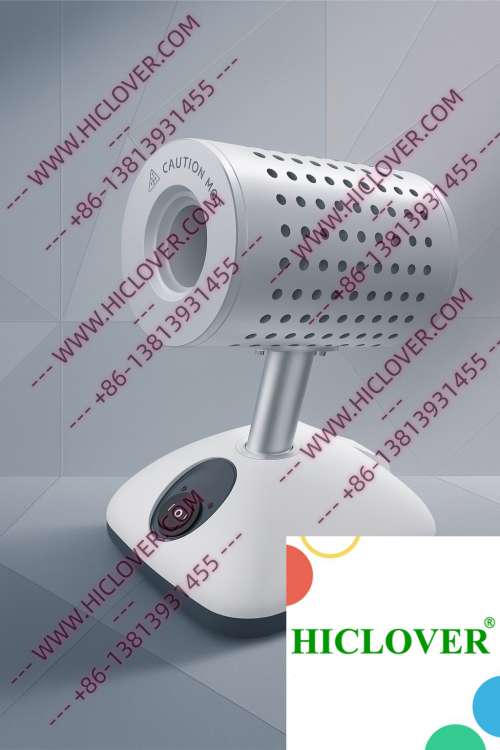
In clinical diagnostics settings, accuracy and efficiency are paramount. The Micro Incinerator allows laboratory technicians to quickly sterilize inoculating loops used for transferring specimens, ensuring that contamination does not compromise test results. The device can be placed within a biosafety cabinet, allowing for controlled handling without the risk of flame exposure, which is essential when working with high-risk pathogens.
2. Teaching Laboratories
Academic institutions often face the challenge of equipping students with hands-on experience in microbiological practices while ensuring safety. The use of Micro Incinerators in university teaching labs provides an educational yet safe environment where students can learn the principles of aseptic technique without the risks associated with open flames. This enhances the learning experience by focusing on contamination control and operational safety.
Compliance and Environmental Considerations
Laboratory sterilization is governed by various standards set forth by organizations such as the WHO. Laboratories must maintain compliance with biosafety protocols, especially when handling infectious agents. The Micro Incinerator meets critical WHO biosafety recommendations by reducing the risk of aerosol creation and providing a flame-free alternative that is suitable for clean room operations.
Furthermore, with increasing attention on minimizing laboratory waste and energy consumption, the compact and efficient nature of the Micro Incinerator aligns with modern sustainability practices. This means less environmental impact without compromising the integrity of sterilization protocols.
Advantages Over Traditional Flame Sterilizers
- Safety: No open flames reduce the risk of fire and chemical exposure.
- Efficiency: Rapid sterilization times streamline workflows.
- Portability: Compact design makes it easy to use in limited space conditions.
- Cleanliness: Eliminates aerosol production, maintaining a cleaner lab environment.
- Cost-effective: Lower operating costs compared to traditional methods.
Comparative Analysis: Micro Incinerator vs. Flame Burners
| Feature | Micro Incinerator | Flame Burner |
|---|---|---|
| Heat Source | Infrared | Open Flame |
| Safety | High (no flame) | Low (fire hazards) |
| Time to Sterilize | Quick (seconds) | Varies (longer) |
| Environmental Impact | Low | High (fumes, aerosols) |
| Portability | Portable | Less portable |
FAQs About Micro Incinerator / Infrared Inoculating Loop Sterilizer
- What types of laboratories benefit most from using a Micro Incinerator?
BSL-2 and BSL-3 labs benefit significantly due to the strict sterilization protocols and the need for contamination control.
- Can the Micro Incinerator be used in field testing environments?
Yes, its compact design and lack of an open flame make it an excellent choice for mobile and field testing labs.
- How does the Micro Incinerator help maintain compliance with safety standards?
By offering a flame-free sterilization method, it adheres to WHO biosafety recommendations and lab sterilization standards.
- Is the Micro Incinerator easy to operate for beginners?
Yes, its intuitive design and minimal operating procedure make it user-friendly, even for those new to laboratory work.
Conclusion
As laboratories continue to adapt to rigorous biosafety standards and operational demands, the Micro Incinerator / Infrared Inoculating Loop Sterilizer emerges as a pivotal tool in modern sterilization practices. Its unique advantages over traditional flame sterilizers, combined with its compliance with safety regulations, make it an essential addition to any laboratory’s sterilization equipment. We encourage you to reach out for more information on how this innovative product can enhance your lab’s sterilization protocols and ensure safety and efficiency in your operations.
Categories:
Tags: