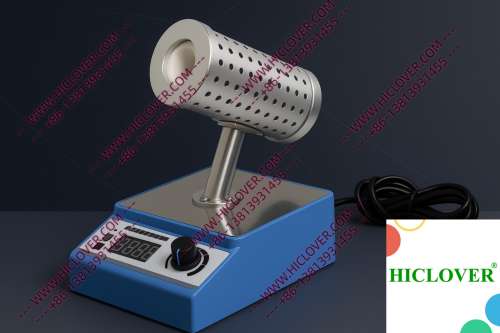
The ever-evolving landscape of laboratory research presents numerous biosafety challenges, particularly in the realms of contamination control and infection prevention. With increasing demands for sterile conditions, the emergence of sophisticated sterilization techniques has transformed laboratory workflows. Central to this advancement is the use of the Micro Incinerator, also known as the Infrared Inoculating Loop Sterilizer, which offers a modern solution for effective spore destruction and rapid thermal sterilization.
The Technical Principles Behind Micro Incinerators
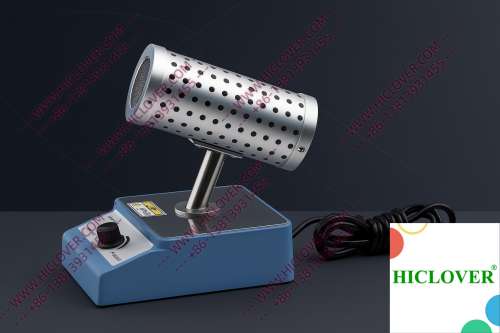
Micro Incinerators utilize the principles of infrared heat and enclosed ceramic tubes to achieve high-temperature disinfection without the safety risks associated with traditional flame-based methods. By generating an infrared heat source, these devices ensure rapid heating of inoculating loops, needles, and other small equipment, effectively destroying spores and microbes in seconds. The enclosed ceramic tube design minimizes the risks of aerosol generation, making it a safer option for laboratory settings, especially when working in cleanrooms or biological safety cabinets.
Applications of Micro Incinerators in Modern Laboratories
-
Biosafety Cabinets:
In BSL-2 and BSL-3 microbiology labs, maintaining sterile conditions is critical. Micro Incinerators can be integrated seamlessly into biosafety cabinets, allowing researchers to sterilize inoculating loops without exposing them to potential contaminants. This setup minimizes the risk of airborne pathogens during experimentation, enhancing both safety and reliability in microbial studies.
-
University Teaching Labs:
In educational settings, teaching the principles of microbiology requires efficient and safe sterilization equipment. Micro Incinerator devices provide a compact, easy-to-use option for students learning correct aseptic techniques. Unlike traditional flame sterilizers, these devices help avoid the risks associated with fire hazards, allowing students to focus on practical learning without distraction.
-
Field Testing Labs:
Mobile labs often encounter challenges in maintaining sterilization protocols in varying environments. Micro Incinerators are portable and lightweight, making them ideal for field testing labs conducting environmental sampling. Their battery-operated versions ensure that sterilization needs are met, even in remote locations.
- What is the primary advantage of using a Micro Incinerator over traditional sterilizers?
- The Micro Incinerator offers rapid thermal sterilization with reduced risk of contamination and fire hazards, making it safer and more efficient than traditional flame sterilizers.
- Can Micro Incinerators be used in cleanroom environments?
- Yes, Micro Incinerators are designed for cleanroom use as they operate without an open flame, preventing aerosol generation and contamination.
- How do I maintain a Micro Incinerator?
- Routine maintenance includes cleaning the ceramic heating chamber and ensuring that the device is calibrated for optimum performance. Always refer to the manufacturer’s guidelines.
- Is there a limit to the number of uses before a Micro Incinerator needs to be replaced?
- While the durability of Micro Incinerators can vary, regular inspections and maintenance will extend their lifespan. Adaptations in usage may require eventual replacement or repair.
- How does the cost of a Micro Incinerator compare to traditional sterilizers?
- Though initial costs may be higher, Micro Incinerators offer savings over time through reduced maintenance, higher efficiency, and increased safety.
Compliance and Environmental Compliance Considerations
Within the realm of laboratory sterilization, compliance with WHO biosafety standards and other lab sterilization regulations is paramount. As industries evolve, so do the standards. Traditional flame sterilizers can produce harmful aerosols, and using flames in cleanrooms is often against compliance regulations due to the risk of contamination. Micro Incinerators, with their clean-bench-safe design, align well with these guidelines, providing flame-free sterilization options while still delivering effective results. These devices not only support compliance with international standards but also promote safer working environments for laboratory professionals.
Micro Incinerator vs. Traditional Flame Sterilizers
| Feature | Micro Incinerator | Flame Sterilizers (e.g., Bunsen Burners) |
|---|---|---|
| Heating Method | Infrared heat | Open flame |
| Safety | No flame hazards | Fire risk, aerosol generation |
| Speed of Sterilization | Seconds | Varies |
| Portability | Highly portable | Generally stationary |
| Ease of Use | User-friendly, no training required | Requires handling skills |
Frequently Asked Questions
Conclusion
The landscape of laboratory sterilization is rapidly evolving with advancements like the Micro Incinerator / Infrared Inoculating Loop Sterilizer, which is redefining infection control practices. With its enhanced safety features, compliance with global standards, and versatility in various lab settings, this technology represents a significant leap forward in laboratory efficiency.
For laboratories seeking reliable sterilization solutions, the Micro Incinerator is an investment worth making. Reach out today to explore how this groundbreaking technology can enhance your laboratory’s sterile practices and workflow efficiency.
Categories:
Tags: