
In modern laboratories, especially within the realms of clinical diagnostics and microbiology, the challenges of biosafety are paramount. As labs navigate the complexities of contamination control and workflow efficiency, sterilization processes must evolve to meet stringent regulatory standards. One key player in this domain is the Micro Incinerator, or Infrared Inoculating Loop Sterilizer. This equipment offers a reliable, safe, and efficient alternative to traditional flame sterilizers, such as Bunsen burners and alcohol lamps.
Understanding the Principles of Infrared Heat Sterilization
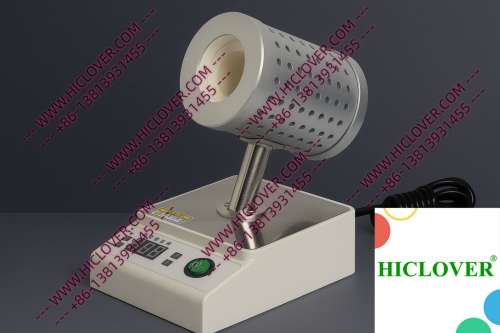
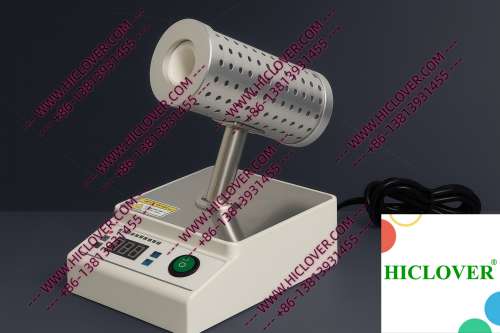
Infrared sterilization utilizes high-temperature thermal energy to rapidly disinfect inoculating loops. The Micro Incinerator functions through a unique enclosed ceramic tube that focuses infrared heat, allowing for meticulous sterilization in a controlled environment. When an inoculating loop is placed inside the heating chamber, the temperature can rise to over 800°C within seconds, effectively killing any microbial contaminants without the risk of aerosols associated with flame sterilization.
Advantages of Micro Incinerators Over Traditional Flame Sterilizers
The advantages of infrared sterilizers are multifaceted:
- Rapid Sterilization: The infrared heat provides immediate sterilization, reducing downtime between samples.
- No Open Flame: With no open flames, the risk of fire hazards is minimized, making it safer for use in clean rooms and environments with flammable materials.
- Clean-Bench-Safe: Aerosol-free handling reduces contamination risk, which is crucial in BSL-2 and BSL-3 lab environments.
- Durability: With a ceramic heating chamber, Micro Incinerators are built to withstand repeated usage without degradation in performance.
Application Scenarios in Real Laboratories
1. Biosafety Cabinet Operations
In a BSL-2 microbiology lab, where pathogenic organisms are handled, the Micro Incinerator provides a crucial sterilization solution. Positioned within a Class II biosafety cabinet, the device ensures safe handling of inoculating loops away from potential contamination. The instant heat generated not only sterilizes the loops but also complements a sterile workspace by avoiding the creation of aerosols.
2. Teaching Laboratories
In academic settings, such as microbiology teaching labs, the Micro Incinerator simplifies instructional methodologies. Students can observe the rapid sterilization process without the dangers of open flames. The straightforward usability allows pedagogic experimentation while adhering to strict safety protocols, ensuring educators can focus on teaching rather than managing fire hazards.
Biosafety Compliance and Environmental Considerations
Adhering to biosafety standards set forth by organizations such as the World Health Organization (WHO) is fundamental for all laboratory practices. Effective sterilization equipment must comply with these guidelines, which often emphasize the critical need for minimizing aerosol production and ensuring a clean working environment.
Moreover, regulations in many countries, including the United States and the European Union, restrict the use of open flames in areas like cleanrooms or during sterile procedures. This compliance highlights the growing need for flame-free solutions such as Micro Incinerators, further reinforcing their value across various laboratory environments.
Comparison Table: Micro Incinerator vs. Traditional Flame Sterilizers
| Feature | Micro Incinerator | Flame Sterilizer |
|---|---|---|
| Sterilization Time | Instant | Variable |
| Fire Hazard | None | High |
| Aerosol Production | None | High |
| Usability | User-Friendly | Requires Training |
| Durability | High | Medium |
Frequently Asked Questions
What makes Micro Incinerators safer than traditional sterilizers?
Micro Incinerators eliminate the use of open flames, reducing fire hazards and aerosol production, making them safer for cleanroom environments.
How quickly can a Micro Incinerator sterilize an inoculating loop?
It can achieve sterilization within seconds, significantly optimizing workflow in busy laboratory settings.
Are Micro Incinerators compliant with lab safety standards?
Yes, they meet stringent biosafety standards, including those from the WHO, ensuring safe operation in various laboratory environments.
Can Micro Incinerators be used in field testing labs?
Absolutely. Their portable nature and quick sterilization capabilities make them ideal for field testing laboratories.
What is the lifespan of a Micro Incinerator?
With proper use, they can maintain peak performance for several years, thanks to their robust ceramic components.
Conclusion
In an age where laboratory safety and efficiency cannot be compromised, investing in a Micro Incinerator or Infrared Inoculating Loop Sterilizer is a vital step toward achieving optimal sterilization practices. Designed with technological advancements that prioritize safety and compliance, this equipment is key to enhancing your laboratory’s workflow, whether in a university teaching lab or a BSL-3 facility.
To discover more about how the Micro Incinerator can revolutionize your sterilization processes, don’t hesitate to reach out to us today!
Categories:
Tags: