
In Colombian towns, laboratory biosafety challenges, such as the management of contaminated materials and the need for rapid sterilization, demand innovative solutions. One effective apparatus that addresses these concerns is the Micro Incinerator, specifically the Infrared Inoculating Loop Sterilizer. This device not only enhances sterilization workflows but also contributes to environmental health by minimizing the production of hazardous emissions typically associated with traditional sterilization methods.
The Technical Principles Behind Micro Incinerators
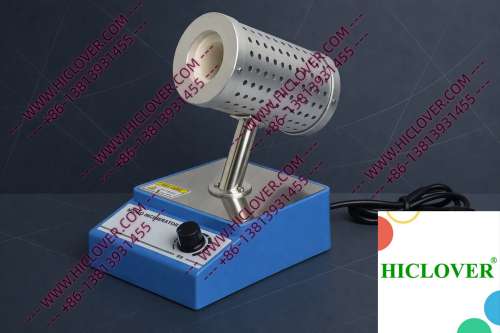
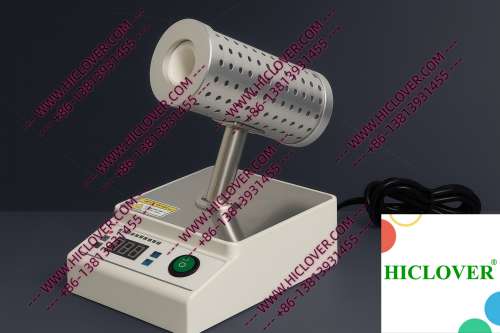
The Micro Incinerator operates on the principle of infrared heat. It utilizes a ceramic heating chamber that concentrates high temperatures to achieve rapid thermal sterilization. When the inoculating loop or tool is introduced into the enclosed ceramic tube, it is subjected to heat that ranges from 800°C to 1000°C. This process ensures effective contamination control, rendering the loop free from viable microorganisms in mere seconds. Unlike traditional flame sterilizers, such as alcohol lamps or Bunsen burners, the Micro Incinerator provides a clean, precise, and consistent method for sterilization without the complexities and risks associated with open flames.
Applications in Real Laboratories
Micro Incinerators find utility across various laboratory settings, including:
- Biosafety Cabinets: In BSL-2 and BSL-3 microbiology labs, where the handling of pathogens is routine, the Micro Incinerator ensures that tools used in the clean room maintain their sterility without introducing aerosols that could compromise lab safety.
- Field Testing Labs: In mobile and field testing environments, such as rural Colombian health initiatives, these sterilizers allow for rapid and effective sterilization on-site, offering a significant advantage over bulky traditional flame sterilizers.
- University Teaching Labs: For educational purposes in universities, the Micro Incinerator serves as a valuable teaching tool, demonstrating modern sterilization techniques while ensuring a safe environment for students.
Compliance and Environmental Impact
Globally, compliance with standards set by the World Health Organization (WHO) and laboratory sterilization regulations is paramount. The Micro Incinerator aligns with these guidelines, particularly essential for clean rooms and high-containment laboratories. Notably, the absence of an open flame significantly reduces the risk of ignition in sensitive environments, making it a preferred choice for laboratories that require strict adherence to biosafety protocols.
The transition to using infrared sterilizers like the Micro Incinerator not only addresses safety concerns but also reduces the ecological footprint of laboratory operations. By minimizing the need for chemical sterilization agents and inefficient combustion processes, laboratories can contribute to environmental sustainability while enhancing health protocols.
Micro Incinerator vs. Traditional Flame Sterilizers
| Feature | Micro Incinerator | Flame Sterilizer |
|---|---|---|
| Heating Method | Infrared, high-temperature | Open flame |
| Fast Sterilization | Yes, within seconds | Slower, time depending on flame size |
| Safety | No flames, aerosol-free handling | Risk of igniting flammable materials |
| Environmental Impact | Minimal emissions | Higher emissions, potential pollutants |
FAQs
1. How does a Micro Incinerator improve lab safety?
Micro Incinerators eliminate the need for open flames, thus reducing the risk of fire hazards and exposure to aerosols, particularly in high-containment labs.
2. Can the Micro Incinerator be used in field settings?
Absolutely! Its compact design and efficient operation make it ideal for field testing in remote areas like rural Colombia.
3. What are the maintenance requirements for a Micro Incinerator?
Regular cleaning of the ceramic tube and ensuring its integrity is key to maintaining optimal performance, with no extensive maintenance required.
4. How quickly does the Micro Incinerator sterilize tools?
The Micro Incinerator can sterilize tools in a matter of seconds, providing a rapid solution for labs needing quick turnaround times.
5. Is the Micro Incinerator compliant with international standards?
Yes, it meets WHO biosafety and sterilization standards, making it suitable for use in laboratories that comply with global health regulations.
Conclusion
The Micro Incinerator / Infrared Inoculating Loop Sterilizer exemplifies a vital advancement in laboratory sterilization technology that benefits both health and the environment. As Colombian towns aim to improve laboratory safety standards and environmental practices, investing in this equipment can lead to remarkable progress in both domains. For laboratory supply distributors, hospitals, and universities, embracing such innovative technologies will not only enhance operational efficiency but also prioritize the safety of the general public. Contact us today to learn more about how the Micro Incinerator can transform your lab’s sterilization workflow.
Categories:
Tags: