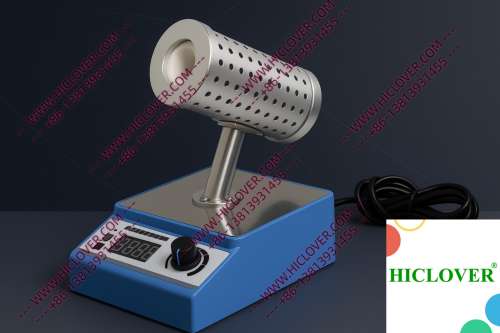
In the realm of microbiology lab equipment, maintaining laboratory safety and ensuring effective sterilization processes present ongoing challenges. Laboratories are continually striving for improved biosafety protocols that can handle the increasing demands posed by emerging pathogens and stringent contamination control requirements. Traditional sterilization methods, such as alcohol lamps and Bunsen burners, while widely used, have notable limitations—including the production of aerosols and open flames—which can compromise laboratory environments. This has led to innovations, particularly the development of advanced sterilization tools like the Micro Incinerator or Infrared Inoculating Loop Sterilizer.
The Technical Principles Behind Micro Incinerators
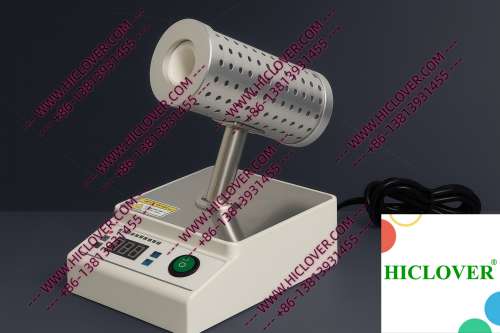
At the heart of the Micro Incinerator lies its innovative use of infrared heat for rapid thermal sterilization. This design leverages an enclosed ceramic tube that achieves high temperatures quickly and efficiently. Unlike traditional flame-based sterilizers, an infrared micro incinerator operates by using infrared radiation that resonates with the micro bacteria and pathogens, effectively eradicating them without the risk of emitting filters or aerosols.
Within the ceramic chamber, the high-temperature disinfection process occurs in an isolated environment, eliminating the need for open flames. This is particularly advantageous for sensitive microbiological work, allowing for a clean-bench-safe operation crucial for applications requiring absolute contamination control.
Applications in Real Laboratories
Biosafety Cabinet Operation
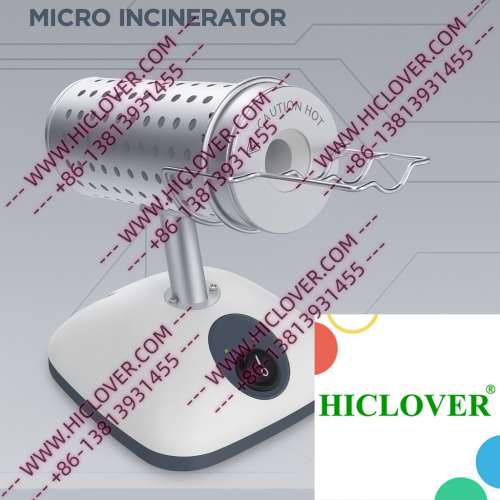
Micro Incinerators shine in environments such as BSL-2 and BSL-3 laboratories. These facilities often perform manipulations of pathogenic organisms, where traditional flame sterilizers pose risks of accidental ignition or contamination. By incorporating an infrared inoculating loop sterilizer, researchers can ensure a more controlled sterilization process. In a BSL-3 lab, utilizing a Micro Incinerator not only aligns with stringent biosafety standards, but also streamlines workflows, significantly reducing time taken for loop sterilization and enhancing overall lab throughput.
Teaching Labs: Ensuring Safety and Compliance
University teaching laboratories similarly benefit from the use of Micro Incinerators. In educational settings, safety is paramount, especially when teaching proper aseptic techniques to students. The absence of open flames minimizes the risk of fire hazards in a learning environment, while the simple operational mechanics of this device allow students to focus on mastering essential microbiological skills without distraction. Schools that adopt this technology find that they can meet compliance standards set by organizations such as the WHO.
Compliance and Environmental Considerations
When discussing laboratory sterilization, compliance with global biosafety standards cannot be overlooked. The World Health Organization (WHO) and other regulatory bodies stipulate that laboratories must utilize methods of sterilization that minimize risk to personnel and the environment. Traditional open-flame methods can release particulate matter and compromise clean air standards, particularly in cleanrooms or facilities with strict air quality controls.
Innovations like the Infrared Inoculating Loop Sterilizer meet these compliance requirements, offering rapid sterilization without hazardous emissions. Moreover, its energy-efficient design aligns with sustainable laboratory practices by reducing energy consumption compared to conventional flame sterilizers.
Comparison with Traditional Flame Sterilizers
| Feature | Micro Incinerator | Flame Sterilizer |
|---|---|---|
| Safety | High (no open flames) | Moderate |
| Thermal Efficiency | Rapid thermal sterilization | Variable |
| Contamination Control | Excellent (no aerosols) | Poor |
| Ease of Use | Simple operation | Requires technique |
| Regulatory Compliance | Meets WHO standards | Often problematic |
Frequently Asked Questions
- What is a Micro Incinerator?
A Micro Incinerator is an advanced sterilization device that utilizes infrared heat for rapid and efficient sterilization of inoculating loops and other lab instruments. - How does a Micro Incinerator improve laboratory safety?
By eliminating open flames, it reduces the risk of fire hazards and ensures a clean and compliant environment, particularly in sensitive laboratory settings. - Can Micro Incinerators be used in field testing labs?
Yes, their portable design makes them suitable for field testing labs where rapid sterilization without the need for open flames is critical. - What are the advantages of using infrared sterilizers over traditional flame methods?
Infrared sterilizers provide rapid sterilization, enhanced safety, better compliance with regulatory standards, and improved contamination control. - Where can I purchase a Micro Incinerator?
You can contact laboratory supply distributors or research center suppliers, as many now offer high-quality Micro Incinerators for various laboratory needs.
Conclusion
In conclusion, the future of laboratory sterilization shines brightly with innovations such as the Micro Incinerator. As laboratories strive to enhance their safety protocols and compliance with biosafety standards, the transition from traditional flame sterilizers to advanced infrared devices becomes increasingly clear. The benefits of these modern sterilizers—from improved efficiency and safety to enhanced contamination control—make them an attractive investment for any laboratory environment. If you’re looking to upgrade your sterilization processes, consider exploring our range of Micro Incinerators today!
Categories:
Tags: