
In the intricate realm of microbiological research and diagnostics, the challenge of contamination control looms large. Biosafety is not just a protocol but a fundamental principle guiding laboratory workflows. As scientists work to unravel the complexities of pathogens, ensuring the sterility of instruments becomes crucial. Traditional flame-based sterilizers like Bunsen burners and alcohol lamps pose unique risks, including aerosol generation and the potential for open flames in sensitive environments. This is where modern solutions like the Micro Incinerator, or Infrared Inoculating Loop Sterilizer, come into play.
The Technical Edge of Infrared Sterilization
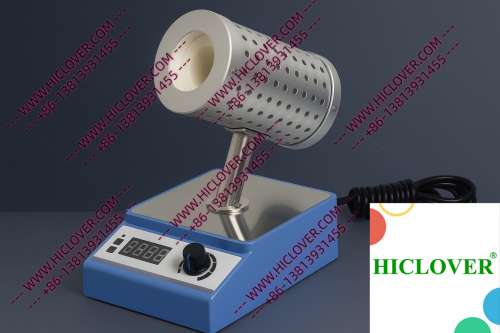
The Micro Incinerator operates on the principle of rapid thermal sterilization through infrared heating. Unlike conventional methods, the sterilization process is facilitated within a fully enclosed ceramic heating chamber. This design ensures that the surface of the inoculating loop or instrument reaches temperatures sufficient to achieve high-temperature disinfection almost instantaneously. Infrared radiation efficiently penetrates the object being sterilized, destroying microorganisms without the dangers associated with open flames.
Key Features of the Micro Incinerator
- Rapid Sterilization: Achieves sterilization in seconds.
- Aerosol-Free Handling: Reduces the risk of contamination.
- Clean-bench-safe: Ideal for use in biosafety cabinets.
- Energy Efficient: Requires less energy compared to traditional flame systems.
- Versatile Applications: Suitable for various laboratory settings.
- ISO 13485 compliance for medical devices.
- WHO guidelines for laboratory biosafety.
- NIH biosafety levels for handling pathogens.
Application Scenarios in Real Laboratories
Understanding the practical applications of the Micro Incinerator can highlight its value across various laboratory environments.
Biosafety Level 2 and Level 3 Laboratories
In BSL-2 and BSL-3 laboratories, where pathogens can pose moderate to high risks, contamination control is imperative. The Micro Incinerator significantly enhances safety protocols, enabling microbiologists to sterilize loops and tools efficiently without the concern of spills, aerosols, or flames. For example, during the culturing of human pathogen samples, researchers can rely on the Micro Incinerator to maintain the integrity of their work while ensuring a sterile environment.
Teaching Labs in Educational Institutions
In university teaching labs, students are often introduced to microbiological techniques. Safety and proper technique are essential, especially when handling infectious agents. The Micro Incinerator provides a safe method to sterilize equipment, allowing educators to focus on imparting knowledge rather than managing contamination risks. By using this tool, students can experience hands-on laboratory procedures with minimal risk, facilitating effective learning.
Compliance with International Biosafety Standards
The World Health Organization (WHO) and other regulatory bodies emphasize the need for compliance with strict laboratory sterilization standards. The use of the Micro Incinerator aligns with these standards by eliminating the need for open flames in clean rooms or when working with sensitive biological materials. Its design minimizes contamination risk and adheres to the safety protocols necessary in modern microbiological practices.
Benefits Compared to Traditional Flame Sterilizers
When comparing the Micro Incinerator with traditional flame sterilizers, several key benefits emerge:
| Feature | Micro Incinerator | Flame Burners |
|---|---|---|
| Sterilization Time | Seconds | Minutes |
| Risk of Contamination | Minimal | High (aerosol generation) |
| Environment | Clean-bench-safe | Not suited for clean areas |
| Energy Efficiency | High | Variable |
Questions Frequently Asked by Laboratories
What materials can be sterilized with a Micro Incinerator?
The Micro Incinerator can effectively sterilize various metal tools commonly used in microbiology, including inoculating loops, needles, and scalpels.
How does it compare to a traditional flame method for sterilization?
The Micro Incinerator offers faster sterilization, reduces contamination risk, and is more suitable for biosafety cabinet usage, setting it apart from traditional flame methods.
How energy efficient is the Micro Incinerator?
Compared to flame sterilizers, the Micro Incinerator is designed to be energy-efficient while providing rapid sterilization.
Is the Micro Incinerator safe to use in a BSL-3 environment?
Yes, the enclosed design and no open flames make it a safe choice for BSL-3 environments, where contamination control is critical.
What are the advantages of using infrared sterilization technology?
Infrared technology enables immediate, high-temperature sterilization while minimizing the release of aerosols and enhances the laboratory’s overall safety compliance.
Conclusion
In today’s laboratories, the need for efficient and reliable sterilization methods cannot be overstated. The Micro Incinerator or Infrared Inoculating Loop Sterilizer represents a shift toward safer practices in microbiology. With its advanced technology and compliance with stringent safety standards, it is an invaluable asset for BSL-2 and BSL-3 labs, educational institutions, and field applications alike. If you are ready to enhance your laboratory’s sterilization workflow and ensure contamination control, get in touch today for a consultation or to explore purchasing options!
Categories:
Tags: